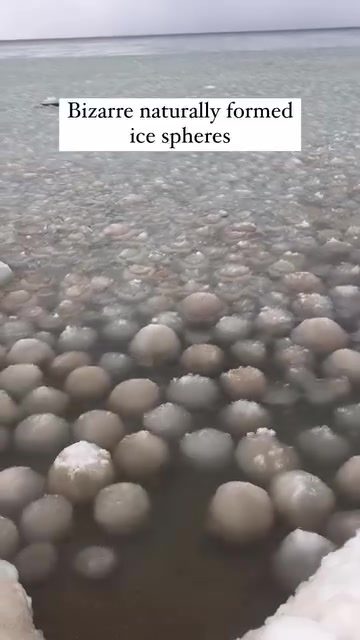
Naturally Formed Ice Spheres
Ice spheres, also known as ice balls or ice boulders, are a rare and captivating winter phenomenon that occurs in cold, moving bodies of water. These spherical ice formations are the result of a unique interplay between ice, water, and temperature. They form when small pieces of ice break off and begin tumbling in the water. As they are tossed by the waves and collide with each other, their edges gradually round off, resulting in smooth, spherical shapes.
Why This Matters
Witnessing these natural sculptures offers a stunning visual treat and a special glimpse into the dynamic interactions of water, ice, and temperature. These ice spheres are not only aesthetically pleasing but also provide insights into the natural processes that shape our environment. Understanding the formation of ice spheres can deepen our appreciation for the intricate and often hidden mechanisms of nature.
Main Discussion
The Formation Process
The conditions for ice sphere formation are quite specific. Temperatures must be cold enough to keep the ice from melting but not so cold that the entire body of water freezes. When these conditions are met, small pieces of ice start to break off and tumble in the water. The constant movement and collision of these ice pieces gradually round off their edges, eventually forming smooth, spherical shapes.
The Role of Water Currents
The currents in a moving body of water play a crucial role in the formation of ice spheres. As the ice pieces are tossed by the waves, they are continually shaped and reshaped. The constant motion and collision help to create the smooth, spherical shapes that characterize these formations. The currents also ensure that the ice pieces remain in motion, preventing them from freezing solidly to the water's surface.
Environmental Conditions
The environmental conditions required for the formation of ice spheres are delicate. Temperatures must be just right, and the water must be in constant motion. These conditions are often found in coastal areas or in large bodies of water that do not freeze entirely during the winter. The presence of ice spheres indicates a unique and specific set of environmental factors at work.
The Science Behind Ice Spheres
The science behind the formation of ice spheres is fascinating. The process involves the principles of physics and chemistry, as well as the interplay of different environmental factors. The constant movement and collision of the ice pieces create a dynamic environment where the edges of the ice are gradually worn down, resulting in the smooth, spherical shapes.
The Visual Impact
The visual impact of naturally formed ice spheres is breathtaking. The sight of a beach or shoreline covered in these smooth, spherical formations is both unusual and awe-inspiring. The ice spheres often appear as if they were carefully placed by an unseen hand, adding to the mystery and allure of this natural phenomenon.
Practical Tips
Where to Find Ice Spheres
If you're interested in witnessing this rare natural phenomenon, your best bet is to head to coastal areas or large bodies of water during the winter months. Look for areas where the water is in constant motion and the temperatures are just right for ice formation. Some of the best places to find ice spheres include beaches, lakes, and rivers in colder regions.
What to Look For
When searching for ice spheres, keep an eye out for any bodies of water that have partially frozen over. Look for small pieces of ice that are tumbling in the water. The presence of these ice pieces is a good indication that ice spheres may be forming. Be patient and observant, as the formation process can take time and may not be immediately visible.
Documenting the Phenomenon
If you're lucky enough to witness the formation of ice spheres, consider documenting the experience. Take photos or videos to capture the unique beauty of this phenomenon. Sharing your findings with others can help raise awareness about this fascinating natural occurrence and inspire others to appreciate the wonders of nature.
Safety Considerations
When exploring areas where ice spheres may be forming, it's important to prioritize safety. Be cautious around bodies of water, especially in cold weather. The water and surrounding environment can be slippery and hazardous. Dress appropriately for the weather and bring necessary equipment to ensure a safe and enjoyable experience.
Important Takeaways
Naturally formed ice spheres are a testament to the beauty and complexity of nature. They are the result of a unique interplay between ice, water, and temperature, driven by the delicate balance of environmental conditions. Witnessing these formations offers a rare glimpse into the intricate processes that shape our world. Whether you're a nature enthusiast, a scientist, or simply someone who appreciates the beauty of the natural world, the sight of ice spheres is an experience not to be missed.
Conclusion
The natural formation of ice spheres is a captivating and rare phenomenon that offers a unique glimpse into the dynamic interactions of water, ice, and temperature. These spherical formations are the result of specific environmental conditions and the constant movement of water currents. Witnessing this phenomenon can be a visually stunning and scientifically enlightening experience. If you have the opportunity to observe or document these formations, take the time to appreciate the beauty and complexity of this natural wonder.
Watch the Reel
Questions readers ask
What exactly are ice spheres and how do they form on a beach?
Ice spheres, also known as ice balls or ice boulders, are spherical ice formations that naturally occur in cold, moving bodies of water, including beaches. They form when small pieces of ice break off and tumble in the water. The constant motion and collisions caused by waves and currents gradually wear down the ice, shaping it into perfectly smooth orbs.
Where are ice spheres most likely to be found on a beach?
Ice spheres are most likely to be found on beaches that experience cold winter temperatures and have moving water, such as waves and currents. They are typically seen in areas where temperatures consistently hover around the freezing point, allowing for the formation and preservation of these ice orbs.
Can ice spheres form in still water or lakes, or is moving water essential for their formation?
The formation of ice spheres requires moving water, so they are less likely to form in still water or lakes. The constant motion and tumbling action caused by waves and currents are crucial for shaping the ice into smooth, spherical forms. Without this movement, the ice would not achieve the characteristic rounded shape of ice spheres.
How long do ice spheres typically last on a beach?
The lifespan of ice spheres on a beach can vary depending on the temperature and weather conditions. Generally, they can last from a few hours to several days. Warmer temperatures and direct sunlight can accelerate the melting process, causing the ice spheres to shrink and eventually disappear.
What are some tips for spotting ice spheres on a beach during winter?
To spot ice spheres on a beach during winter, look for areas with strong wave action and moving water. Start your search at the water's edge and gradually move towards the shoreline. Ice spheres are often hidden among ice chunks and beach debris, so a keen eye and patience are essential for discovering these natural treasures.
Are there any safety considerations to keep in mind when searching for ice spheres on a beach?
When searching for ice spheres on a beach, it's essential to prioritize safety. Be aware of slippery surfaces and avoid getting too close to the water's edge, especially during high tide or stormy weather. Additionally, be cautious of sharp ice chunks and always wear appropriate clothing to protect yourself from the cold.
Why are ice spheres considered a rare and captivating phenomenon on a beach?
Ice spheres are considered a rare and captivating phenomenon on a beach because they are formed through a unique combination of conditions, including cold temperatures and moving water. Their perfectly smooth and spherical shapes are a testament to the dynamic interplay of natural forces, making them a fascinating and visually stunning sight to behold.
Related deep dives
Similar reads based on topic and creator.




Recent articles
Fresh deep dives from the latest Reels we unpacked.



Comments
Be the first to comment.