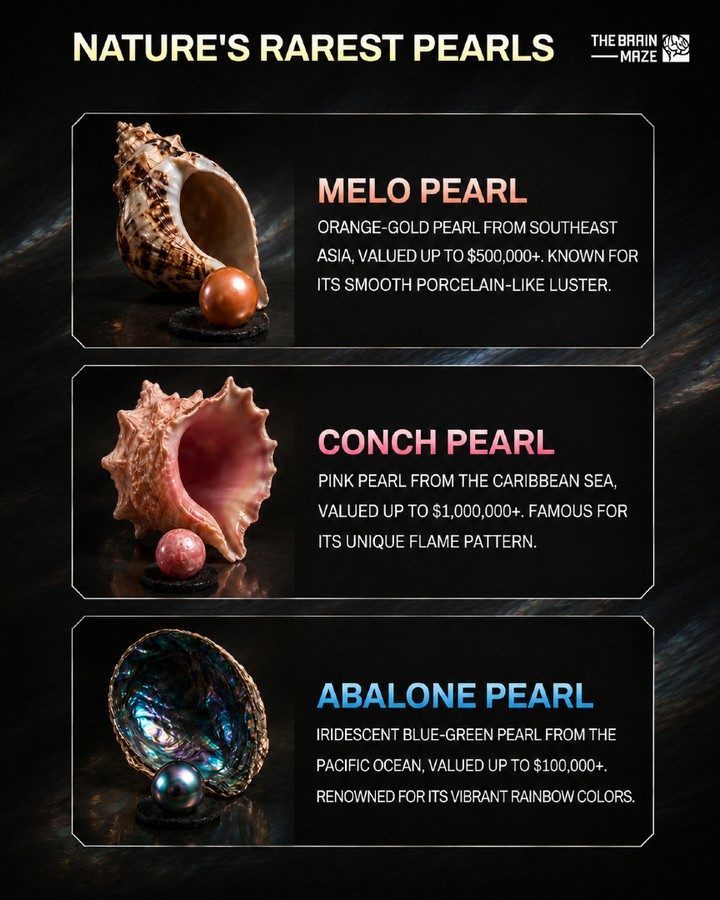
Rare Pearls: A Glimpse into the World of Nature's Most Exquisite Treasures
Pearls are often celebrated for their natural beauty and elegance, but certain varieties stand out due to their exceptional rarity and unique characteristics. Among these are the Melo, Conch, and Abalone pearls. Each of these pearls is prized for its distinctive qualities, making them highly sought after by collectors and enthusiasts around the world.
Why These Pearls Matter
The allure of rare pearls extends beyond their aesthetic value. These gems are celebrated for their unique origins, stunning colors, and the natural processes that create them. Understanding the rarity and beauty of Melo, Conch, and Abalone pearls provides insight into the complexity and wonder of the natural world.
The Melo Pearl: A GEM from Southeast Asia
The Melo Pearl, originating from the Melo melo snail in Southeast Asia, is renowned for its striking orange-gold color and smooth, porcelain-like luster. This pearl's unique hue and glossy surface make it a standout among other pearls. It can be valued up to $500,000 or more, reflecting its rarity and desirability.
Characteristics of the Melo Pearl
The Melo Pearl is prized for several key features:
- Color: The distinctive orange-gold hue is a hallmark of the Melo Pearl, setting it apart from other pearls.
- Luster: Its smooth, porcelain-like surface gives it a unique shine and depth.
- Size: These pearls are typically small, with the largest specimens often being very rare.
- Origin: Found in Southeast Asia, the Melo Pearl's natural habitat contributes to its mystique and rarity.
The Melo Pearl's Value
The Melo Pearl's value is not only determined by its beauty but also by its scarcity. Many factors contribute to its high price, including the rarity of the Melo melo snail, the difficulty in harvesting the pearls, and the high demand from collectors.
Finding and Harvesting Melo Pearls
Harvesting Melo Pearls is a meticulous process. Divers and specialists carefully extract the pearls from the snails, ensuring the snail's survival whenever possible. This careful approach helps maintain the population of Melo melo snails, ensuring the continued availability of these rare gems.
The Conch Pearl: A Caribbean Treasure
The Conch Pearl, found in the Caribbean Sea, is celebrated for its distinctive pink color and unique flame pattern. This pearl is formed by the queen conch, a large marine snail native to the Caribbean. Conch Pearls are valued up to $1,000,000, making them some of the most expensive and coveted pearls in the world.
Characteristics of the Conch Pearl
The Conch Pearl stands out due to its:
- Color: The pink hue is a defining feature, often with a warm, rosy tint.
- Pattern: The unique flame pattern on the surface of the pearl adds to its visual appeal.
- Origin: Caribbean waters provide the perfect environment for the queen conch, contributing to the pearl's rarity.
The Conch Pearl's Value
The Conch Pearl's value is driven by its rarity, exquisite color, and distinctive pattern. These factors, combined with the high demand from collectors, contribute to its extraordinary price.
Harvesting Conch Pearls
Harvesting Conch Pearls is a delicate process. Divers must carefully remove the pearls from the queen conch, ensuring the snail is not harmed. This sustainable approach helps maintain the population of queen conch snails and ensures the availability of Conch Pearls for future generations.
The Abalone Pearl: A Pacific Gem
The Abalone Pearl, found in the Pacific Ocean, is valued for its brilliant blue, green, and purple iridescence. These pearls are formed by the abalone, a type of marine snail known for its distinctive shell. The Abalone Pearl can be valued up to $100,000, making it a prized possession for collectors.
Characteristics of the Abalone Pearl
The Abalone Pearl is distinguished by its:
- Iridescence: The vibrant rainbow colors, including blue, green, and purple, create a mesmerizing effect.
- Luster: The pearl's surface has a unique, shimmering quality.
- Origin: Found in the Pacific Ocean, the abalone's natural habitat contributes to the pearl's appeal.
The Abalone Pearl's Value
The Abalone Pearl's value is determined by its stunning iridescence and rarity. The high demand from collectors, combined with the difficulty in obtaining these pearls, contributes to their high price.
Harvesting Abalone Pearls
Harvesting Abalone Pearls involves careful extraction from the abalone snail. Divers and specialists work to ensure the snail's survival, promoting sustainable harvesting practices. This approach helps maintain the abalone population and ensures the continued availability of these beautiful pearls.
Practical Tips for Collecting Rare Pearls
Collecting rare pearls can be a rewarding but challenging endeavor. Here are some practical tips to guide you:
- Research and Knowledge: Understand the characteristics, origins, and value of different pearl types. This knowledge will help you make informed decisions.
- Authenticity: Ensure the pearls you acquire are authentic. Work with reputable dealers and get certification, if possible.
- Sustainability: Support sustainable harvesting practices to help preserve the natural populations of pearl-producing organisms.
Important Takeaways
- Rarity and Uniqueness: Each of these pearls—Melo, Conch, and Abalone—is rare and unique, contributing to their high value.
- Natural Beauty: The natural processes that create these pearls result in stunning colors, patterns, and luster.
- Sustainability: Sustainable harvesting practices are essential to maintain the populations of pearl-producing organisms.
Conclusion
From the orange-gold luster of the Melo Pearl to the vibrant iridescence of the Abalone Pearl, and the distinctive flame pattern of the Conch Pearl, these gems offer a glimpse into the natural world's marvels. Their rarity, beauty, and unique characteristics make them highly sought after by collectors. Whether you are a seasoned collector or a newcomer to the world of rare pearls, understanding these extraordinary gems adds depth to your appreciation of natural treasures.
Watch the Reel
Questions readers ask
What makes Melo, Conch, and Abalone pearls so rare and valuable?
These pearls are exceptionally rare due to their unique origins and the natural processes involved in their formation. Melo pearls come from a specific type of sea snail found in Southeast Asia, while Conch pearls are produced by the queen conch in the Caribbean. Abalone pearls, originating from abalone mollusks, are prized for their vibrant colors and unique luster. Their scarcity and distinctive qualities contribute to their high value among collectors and enthusiasts.
How do the colors of Melo, Conch, and Abalone pearls differ from traditional white pearls?
Melo pearls are known for their unique color palette, ranging from golden and orange to a rare porcelain-like hue. Conch pearls are famous for their distinctive pink and coral coloration. Abalone pearls, on the other hand, exhibit a stunning array of colors, including blues, greens, and purples, often with a distinctive lustrous sheen. These colors make them stand out from traditional white pearls, offering a unique aesthetic appeal.
What is the origin of Conch pearls, and why are they sought after?
Conch pearls originate from the queen conch, a large sea snail found in the Caribbean. They are highly sought after for their distinctive pink and coral hues, which are not found in other types of pearls. Additionally, their natural beauty and rarity make them a prized addition to any collection of precious gems.
Where can Abalone pearls be found, and what gives them their unique luster?
Abalone pearls are found in various parts of the world, including coastal regions of the Americas, Asia and Australia. The unique luster of abalone pearls is a result of their unique structure, which is characterized by a distinctive iridescence. This lustrous quality, combined with their vibrant colors, makes them highly sought after.
What is the significance of the golden hue in Melo pearls?
The golden hue in Melo pearls is highly prized and adds to their allure. This color is a result of the unique biological processes within the Melo sea snail, which gives the pearl a distinctive and coveted appearance. The rarity of this color, along with the pearl's natural beauty, contributes to its high value in the world of rare pearls.
How do the origins of Melo, Conch, and Abalone pearls reflect their unique characteristics?
The origins of these pearls influence their unique characteristics. Melo pearls, originating from Southeast Asia, are known for their golden and orange hues. Conch pearls, from the queen conch in the Caribbean, feature distinctive pink and coral colors. Abalone pearls, from the abalone mollusk, exhibit a unique iridescence and a variety of vibrant colors. These origins contribute to the individual qualities that set each type of pearl apart.
What makes the carnegie pearl so special?
The Carnegie pearl is special due to its exceptional size, and perfect roundness, the pearl is a stunning 9.5 mm in diameter. It is an extremely rare Melo pearl. The Carnegie pearl showcases the unique natural beauty and rarity of these exceptional gems, making it a cherished addition to any collection.
Related deep dives
Similar reads based on topic and creator.




Recent articles
Fresh deep dives from the latest Reels we unpacked.




Comments
Be the first to comment.