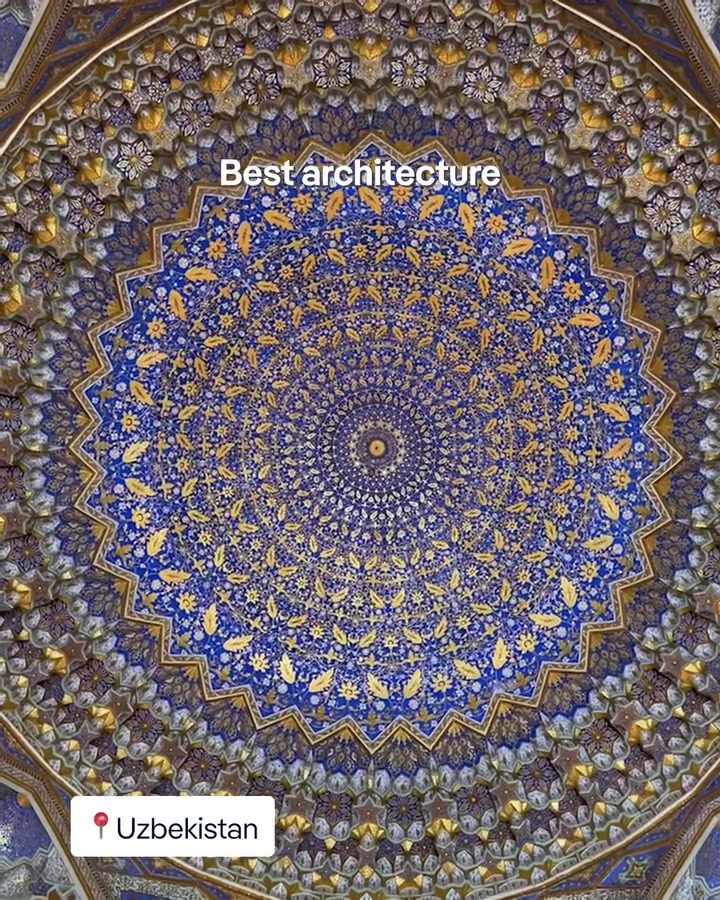
Uzbekistan Architecture
Uzbekistan is renowned for its rich architectural heritage, blending influences from various cultures and periods. This Central Asian jewel offers a visual feast of intricate designs, ornate structures, and historical significance. It is particularly celebrated for cities like Samarkand, Bukhara, and Khiva, each boasting unique architectural marvels.
Context / Why this matters
Uzbekistan's architectural legacy is a testament to its historical significance as a crossroads of ancient trade routes, notably the Silk Road. This rich cultural tapestry has left an indelible mark on the country's architecture, making it a must-visit destination for travelers, historians, and art enthusiasts alike. The country's architectural treasures are not just about aesthetics; they also offer insights into the cultural, religious, and political history of Central Asia. By exploring these architectural wonders, we gain a deeper understanding of the region's past and its enduring influence on modern life.
Main discussion
Samarkand
Samarkand is a city steeped in history and architectural grandeur. One of its most iconic landmarks is Registan Square, a stunning complex featuring three massive madrassas lined with intricate mosaics and majestic arches.
Registan Square: Registan Square is the quintessential samarkand attraction. It consists of three grand madrassas: Ulugbek Madrasa, Sher-Dor Madrasa, and Tilla-Kari Madrasa. The intricate tile work and ornate facades of these madrassas are a testament to the skill and craftsmanship of the artisans who built them.
Gur-e-Amir Mausoleum: Another notable structure in Samarkand is the Gur-e-Amir Mausoleum, the final resting place of the famous conqueror Timur (Tamerlane). This mausoleum showcases exquisite blue tile work and intricate designs that are characteristic of Timurid architecture.
Bukhara
Bukhara, often referred to as the "City of Dreams," is another architectural gem in Uzbekistan. Its ancient city vibes and well-preserved historical sites make it a timeless destination.
Poi Kalyan Complex: The Poi Kalyan Complex is one of the most impressive architectural ensembles in Bukhara. It includes the Kalyan Minaret, the Mir-i Arab Madrasa, and the Kalyan Mosque. The Kalyan Minaret, in particular, is a towering structure that dominates the city's skyline, offering panoramic views of the surrounding area.
Lyabi-Hauz Ensemble: This ensemble is centered around a large pond and includes three major structures: the Khanaka, the Kukeldash Madrasa, and the Nadir Divan-Begi Madrasa. The ensemble is a testament to Bukhara's vibrant history and offers a glimpse into the daily life of its inhabitants.
Khiva
Khiva, located in the desert oasis, is famous for its intricate mosaics and historical fortifications. The city's architecture blends elements of Islamic and Central Asian styles, creating a unique visual experience.
Ichon-Qala: Ichon-Qala, the old walled city of Khiva, is a UNESCO World Heritage Site. Within its walls, you'll find a labyrinth of narrow streets, historic buildings, and bustling markets. The city is a living museum of medieval Central Asian architecture.
Kalta-Minor Minaret: Although never completed, the Kalta-Minor Minaret is one of Khiva's most iconic structures. Its intricate tile work and distinctive design make it a must-see attraction.
Architectural Elements
Uzbekistan's architecture is characterized by several distinctive elements that set it apart from other regions.
Mosaics and Tile Work: Intricate mosaics and tile work are a hallmark of Uzbek architecture. These ornate designs can be seen on the facades of madrassas, mosques, and mausoleums. The use of vibrant colors and geometric patterns creates a visual feast that is both mesmerizing and culturally significant.
Architectural Techniques: Central Asian architectural techniques, such as the use of baked brick and domes, are evident in many buildings across Uzbekistan. These techniques not only add to the aesthetic appeal but also provide practical solutions for the region's climate and environmental conditions.
Cultural Influences: Uzbekistan's architecture reflects a blend of influences from various cultures, including Persian, Arab, and Mongolian. This fusion of styles has resulted in a rich and diverse architectural heritage that is unique to the region.
Practical tips
Best Times to Visit
The best time to visit Uzbekistan is during the spring (April to May) or fall (September to October) when the weather is mild, and the crowds are smaller. Summer can be extremely hot, while winter can be quite cold, making these seasons less ideal for travel.
Getting Around
Transportation within Uzbekistan is relatively easy with a good network of buses, trains, and shared taxis. For exploring urban areas, consider using local buses or taxis. For longer journeys, trains are a comfortable and efficient option.
Must-See Attractions
If you're short on time, focus on the key attractions in each city. In Samarkand, make sure to visit Registan Square and the Gur-e-Amir Mausoleum. In Bukhara, the Poi Kalyan Complex and Lyabi-Hauz Ensemble are must-sees. In Khiva, explore Ichon-Qala and the Kalta-Minor Minaret.
Important takeaways
Uzbekistan's architectural wonders are a testament to its rich history and cultural diversity. From the intricate mosaics of Samarkand to the ancient city vibes of Bukhara and the historical fortifications of Khiva, each city offers a unique and unforgettable experience. By exploring these architectural marvels, travelers can gain a deeper understanding of the region's past and its enduring influence on modern life.
Conclusion
Uzbekistan's architectural heritage is a treasure trove of historical and cultural significance. Whether you're an architecture enthusiast, a history buff, or simply a curious traveler, Uzbekistan offers a wealth of experiences that will leave you awe-struck. From the ornate facades of Samarkand to the ancient streets of Bukhara and the intricately designed mosques of Khiva, the country's architecture is a testament to its rich legacy and enduring beauty.
Watch the Reel
Questions readers ask
What are the must-see architectural sites in Samarkand?
Samarkand is home to several iconic sites. Registan Square, with its stunning mosaics, is a highlight. Additionally, the Guri Amir Mausoleum, the Bibi-Khanym Mosque, and the Shah-i-Zinda necropolis are notable for their historical and architectural significance.
How does Bukhara's architecture reflect its historical role?
Bukhara's architecture showcases its rich history as a key stop on the Silk Road. The Ark of Bukhara, a massive fortress, and the Po-i-Kalyan complex, which includes the Kalyan Minaret and Mosque, are notable landmarks that illustrate the city's past. The city is also famous for its madrasahs, which are Islamic schools that showcase intricate tile work and architectural design.
What makes Khiva's architecture unique among Uzbekistan's cities?
Khiva is renowned for its well-preserved Old Town, a UNESCO World Heritage site. The Itchan Kala fortress, within the Old Town, features impressive walls and historic sites such as the Kukeldash Madrasah and the Kalta Minor Minaret, which is known for its distinctive brick design and towering structure.
How do the architectural styles in Uzbekistan blend various cultural influences?
Uzbekistan's architecture reflects a blend of Persian, Arabic, and Mughal influences, among others. This fusion is evident in the intricate tile work, ornate domes, and decorative arches found in its buildings. The combination of these styles creates a unique aesthetic that tells the story of Uzbekistan's historical and cultural exchanges.
What is the significance of the Registan Square in Samarkand?
Registan Square is a central landmark in Samarkand, featuring three stunning madrasahs: Ulugbek, Sher-Dor, and Tilla-Kari. The intricate mosaics and tile work adorning these structures are not just visually appealing but also tell stories of the city's rich history and its role as a key stop on the Silk Road. The square is a must-visit for its historical and cultural significance.
Related deep dives
Similar reads based on topic and creator.




Recent articles
Fresh deep dives from the latest Reels we unpacked.




Comments
Be the first to comment.