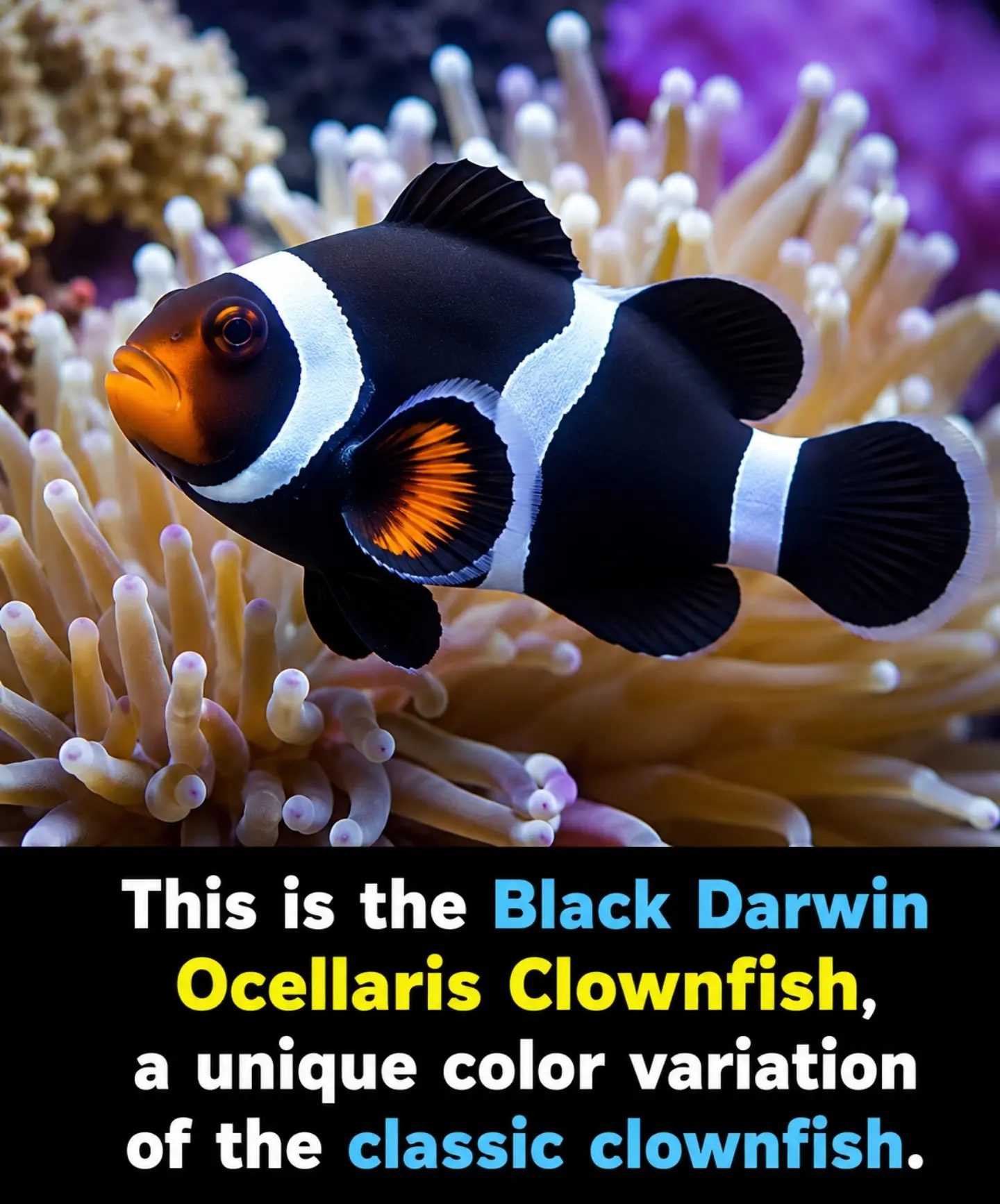
Black Darwin Ocellaris Clownfish
The Black Darwin Ocellaris Clownfish is a striking and unique variation of the classic clownfish, known for its distinctive black and white coloration. These fish are not only visually captivating but also have fascinating biological and behavioral characteristics that make them a subject of interest for marine enthusiasts and researchers alike.
Why This Matters
Understanding the Black Darwin Ocellaris Clownfish provides valuable insights into the diversity of marine life and the ecological balance of coral reefs. These fish play a crucial role in the ecosystem, and their unique coloration is both a defensive adaptation and a visual marvel.
The Distinctive Appearance of the Black Darwin Ocellaris Clownfish
The Black Darwin Ocellaris Clownfish is easily recognizable by its distinctive black and white pattern, which sets it apart from the more common orange and white varieties. This color variation is not just aesthetically pleasing but also serves as a form of camouflage and communication within their natural habitat.
Unique Coloration and Adaptation
The black and white stripes of the Black Darwin Ocellaris Clownfish are a result of genetic mutations, making them a unique variation of the classic clownfish. This coloration helps them blend into their surroundings, providing protection from predators. Additionally, the stripes help in signaling to other clownfish, aiding in their social interactions and territorial behavior.
Habitat and Behavior
These fish are primarily found in the coral reefs of the Indo-Pacific region. They have a symbiotic relationship with sea anemones, using them for shelter and protection. In return, the clownfish help keep the anemones clean by eating algae and other parasites. This mutualistic relationship is a classic example of how different species can benefit from each other in a marine ecosystem.
The Role of Clownfish in Coral Reefs
Clownfish, including the Black Darwin Ocellaris, are essential for the health and stability of coral reefs. They contribute to the ecosystem in several ways, including:
Cleaning and Maintenance
Clownfish help maintain the cleanliness of their anemone hosts by eating algae and other parasites. This ensures that the anemones remain healthy and can continue to provide shelter for the clownfish. Additionally, their presence can deter predators, ensuring a balanced ecosystem.
Ecological Indicators
The presence of healthy clownfish populations can indicate the overall health of a coral reef. These fish are sensitive to changes in water quality and temperature, making them useful indicators of environmental health. By monitoring clownfish populations, researchers can gain insights into the broader health of the reef ecosystem.
Practical Tips for Observing Black Darwin Ocellaris Clownfish
If you're interested in observing Black Darwin Ocellaris Clownfish, here are some practical tips:
Best Places to Observe
The best locations to observe these fish are in the Indo-Pacific region, particularly around coral reefs. Popular spots include the Great Barrier Reef in Australia, the Philippines, and the Maldives. When diving or snorkeling, keep an eye out for sea anemones, as clownfish are often found in close proximity.
How to Approach
Approaching clownfish requires patience and a gentle demeanor. Move slowly and avoid sudden movements that could alarm the fish. Using a camera with a wide-angle lens can help capture their unique patterns without disturbing their habitat.
Importance of Conservation Efforts
Conservation efforts are crucial for preserving the populations of Black Darwin Ocellaris Clownfish. These efforts include protecting their natural habitats, promoting sustainable fishing practices, and raising awareness about the importance of marine conservation.
Protecting Coral Reefs
Coral reefs are under threat from various factors, including climate change, pollution, and overfishing. Protecting these habitats is essential for the survival of clownfish and other marine species. Supporting organizations that work towards coral reef conservation can make a significant difference.
Supporting Sustainable Practices
Sustainable fishing practices and responsible tourism can help ensure that clownfish populations remain healthy. By choosing eco-friendly tourism options and supporting local conservation efforts, you can contribute to the preservation of these unique fish.
Important Takeaways
- The Black Darwin Ocellaris Clownfish is a unique variation of the classic clownfish, characterized by its distinctive black and white coloration.
- These fish play a crucial role in the health and stability of coral reefs through their symbiotic relationship with sea anemones and their role in cleaning and maintenance.
- Observing Black Darwin Ocellaris Clownfish requires patience and a gentle approach, with the best spots being in the Indo-Pacific region.
- Conservation efforts are essential for preserving the populations of these fish and protecting their natural habitats.
Conclusion
The Black Darwin Ocellaris Clownfish is a fascinating and visually striking species that plays a vital role in marine ecosystems. By understanding their unique adaptations and behaviors, we can appreciate the complexity and beauty of the natural world. Supporting conservation efforts and responsible practices ensures that these remarkable fish continue to thrive in their habitats, benefiting both the ecosystem and future generations of marine enthusiasts.
Watch the Reel
Questions readers ask
What makes the Black Darwin Ocellaris Clownfish unique among other clownfish species?
The Black Darwin Ocellaris Clownfish stands out due to its striking black and white stripes. Unlike other clownfish species, this distinctive coloring helps them blend into their surroundings and communicate effectively with other fish. Additionally, their unique appearance makes them a popular choice for aquariums.
How do the colors of the Black Darwin Ocellaris Clownfish benefit their survival?
The black and white stripes of the Black Darwin Ocellaris Clownfish serve as a form of camouflage, helping them hide from predators. Additionally, the contrasting colors aid in signaling to other clownfish, making them easier to recognize and interact within their social groups.
What role do Black Darwin Ocellaris Clownfish play in maintaining coral reef health?
Black Darwin Ocellaris Clownfish contribute to coral reef health by establishing symbiotic relationships with sea anemones. This partnership protects the anemones from predators and provides the clownfish with shelter and protection, while also helping to maintain the overall health of the coral reef ecosystem.
Are Black Darwin Ocellaris Clownfish suitable for home aquariums?
Yes, these clownfish are popular among aquarium enthusiasts due to their unique appearance and relatively easy care requirements. However, it's important to provide them with appropriate tank conditions, including minimal salinity and a suitable environment.
How does the Black Darwin Ocellaris Clownfish communicate with its peers?
The Black Darwin Ocellaris Clownfish uses its distinctive markings and body language to communicate with other fish. They can signal their intentions through various movements and postures, which helps in establishing social hierarchies and coordinating behaviors within their groups.
What is the typical lifespan of a Black Darwin Ocellaris Clownfish in captivity?
With proper care, Black Darwin Ocellaris Clownfish can live up to 10 years in captivity. Ensuring optimal tank conditions, a balanced diet, and minimal stress from tank mates or environmental factors can contribute to their longevity.
What are the ideal tank conditions for keeping Black Darwin Ocellaris Clownfish?
Black Darwin Ocellaris Clownfish thrive in tank conditions that mimic their natural habitat. They require a temperature range of 75-80°F (24-27°C), a pH level between 8.1-8.4, and specific gravity of 1.020-1.025. It's also crucial to provide them with plenty of hiding spots and a suitable environment.
Related deep dives
Similar reads based on topic and creator.



Recent articles
Fresh deep dives from the latest Reels we unpacked.

Comments
Be the first to comment.