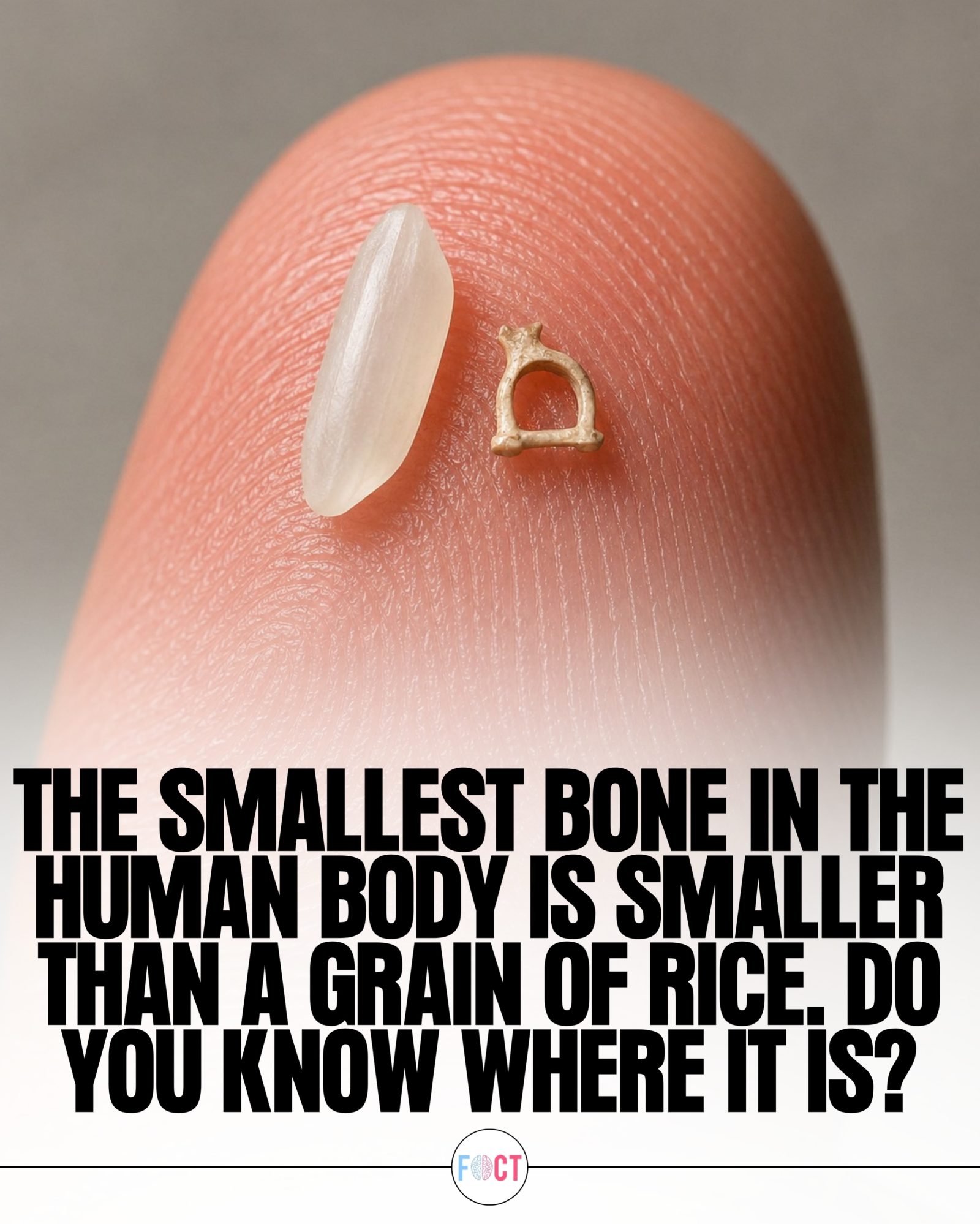
The Smallest Bone in the Human Body: The Stapes
The smallest bone in the human body is the stapes, a tiny structure that plays a crucial role in the hearing process. Measuring only around 2 to 3 millimetres, it is also known as the stirrup bone due to its distinctive shape. The stapes is found deep inside the middle ear, alongside two other tiny bones called the malleus and incus.
Context
While the stapes is incredibly small, it is far from insignificant. Its size and location within the ear make it essential for the delicate process of sound conduction. Understanding the anatomy and function of the stapes can provide valuable insights into how hearing works and the potential issues that can arise when this tiny bone is affected.
The Anatomy of the Stapes
The stapes is one of the three ossicles, or small bones, in the middle ear. The other two are the malleus (hammer) and the incus (anvil). These three bones work together to transmit sound vibrations from the eardrum to the inner ear.
Shape and Size
The stapes is shaped like a stirrup, with a small head, two thin limbs, and a footplate. Its smallest diameter is approximately 2.5 mm, making it the smallest bone in the human body. This tiny size allows it to fit perfectly within the oval window of the inner ear, where it plays a crucial role in transmitting sound.
Location
The stapes is located in the middle ear, which is a small, air-filled space behind the eardrum. It is connected to the malleus and incus, forming a chain of bones that helps in the amplification and transmission of sound waves.
The Role of the Stapes in Hearing
The stapes plays a vital role in the process of hearing. It acts as a crucial link in the chain of sound transmission from the outer ear to the inner ear.
Sound Transmission
When sound waves enter the outer ear and reach the eardrum, they cause the eardrum to vibrate. These vibrations are then passed on to the malleus, which transmits them to the incus. The incus, in turn, passes the vibrations to the stapes. The stapes then transmits these vibrations to the inner ear through the oval window.
Sound Amplification
The stapes helps in amplifying the sound vibrations. The difference in size between the eardrum and the stapes' footplate allows for a significant increase in pressure, which is necessary for the transmission of sound waves through the fluid-filled inner ear.
Signal Conversion
In the inner ear, the sound vibrations are converted into electrical signals by the cochlea, a small, snail-shaped structure. These electrical signals are then sent to the brain via the auditory nerve, where they are interpreted as sound.
Common Issues with the Stapes
Despite its tiny size, the stapes is susceptible to various issues that can significantly impact hearing. Understanding these problems is essential for maintaining optimal hearing health.
Otosclerosis
Otosclerosis is a condition that affects the stapes and can lead to hearing loss. It occurs when abnormal bone growth in the middle ear causes the stapes to become fixed in place, preventing it from vibrating properly. This condition can result in conductive hearing loss, where sound waves are not effectively transmitted to the inner ear.
Damage and Trauma
Damage or trauma to the stapes, as well as restricted movement, can also lead to significant hearing loss. Ear infections, head injuries, or other forms of trauma can cause damage to the stapes, compromising its ability to transmit sound vibrations.
Corrective Measures
In some cases, surgical procedures can be performed to correct issues with the stapes. Stapedectomy and stapedotomy are two common surgical procedures used to treat otosclerosis. During these procedures, the damaged stapes is partially or completely removed and replaced with a prosthetic device. This allows for the restoration of sound transmission and improvement in hearing.
Practical Tips for Maintaining Ear Health
Maintaining good ear health is essential for preserving the function of the stapes and ensuring optimal hearing.
Protect Your Ears
Protect your ears from loud noises and potential trauma by wearing earplugs or other protective gear when necessary. Avoid inserting objects into your ears, as this can cause damage to the delicate structures within.
Regular Check-Ups
Regular ear check-ups with a healthcare professional can help detect any issues early. This is especially important if you have a family history of hearing problems or experience symptoms such as hearing loss, ringing in the ears, or dizziness.
Important Takeaways
The stapes, despite its tiny size, is a crucial component of the hearing process. Its unique shape and location within the middle ear allow it to effectively transmit and amplify sound vibrations, making it essential for normal hearing. Understanding the anatomy and function of the stapes, as well as the potential issues that can arise, is key to maintaining good ear health. By taking practical steps to protect your ears and seeking regular check-ups, you can ensure that your stapes and other ear structures remain in good working order, preserving your ability to hear clearly and effectively.
Conclusion
The stapes, the smallest bone in the human body, plays a pivotal role in the intricate process of hearing. Its delicate structure and precise function are essential for transmitting sound vibrations from the outer ear to the inner ear, where they are converted into signals that the brain interprets as sound. By understanding the importance of the stapes and taking steps to maintain good ear health, you can ensure that your hearing remains clear and effective, allowing you to fully appreciate the world of sound around you.
Watch the Reel
Questions readers ask
What is the stapes and why is it important?
The stapes is the smallest bone in the human body, measuring about 2 to 3 millimeters. It is crucial for hearing as it helps to transmit sound vibrations from the eardrum to the inner ear, playing a key role in the hearing process.
Where is the stapes located in the human body?
The stapes is found deep within the middle ear. It is one of three tiny bones in the middle ear, the other two being the malleus and incus.
How does the stapes contribute to hearing?
The stapes, along with the malleus and incus, forms a chain that transfers sound vibrations from the eardrum to the inner ear. This process is essential for listening.
Why is the stapes also known as the stirrup bone?
The stapes is referred to as the stirrup bone due to its distinctive shape, which resembles a stirrup used for horse riding. This shape allows it to fit perfectly within the middle ear and perform its function effectively.
What are the dimensions of the stapes bone?
The stapes bone measures approximately 2 to 3 millimeters in length, making it the smallest bone in the human body. It is roughly the size of a small grain of rice.
What happens if the stapes is damaged or affected?
If the stapes is damaged or affected, it can lead to hearing loss or impaired hearing. The stapes' tiny size and delicate function make it susceptible to issues that can disrupt the hearing process.
Related deep dives
Similar reads based on topic and creator.



Recent articles
Fresh deep dives from the latest Reels we unpacked.




Comments
Be the first to comment.