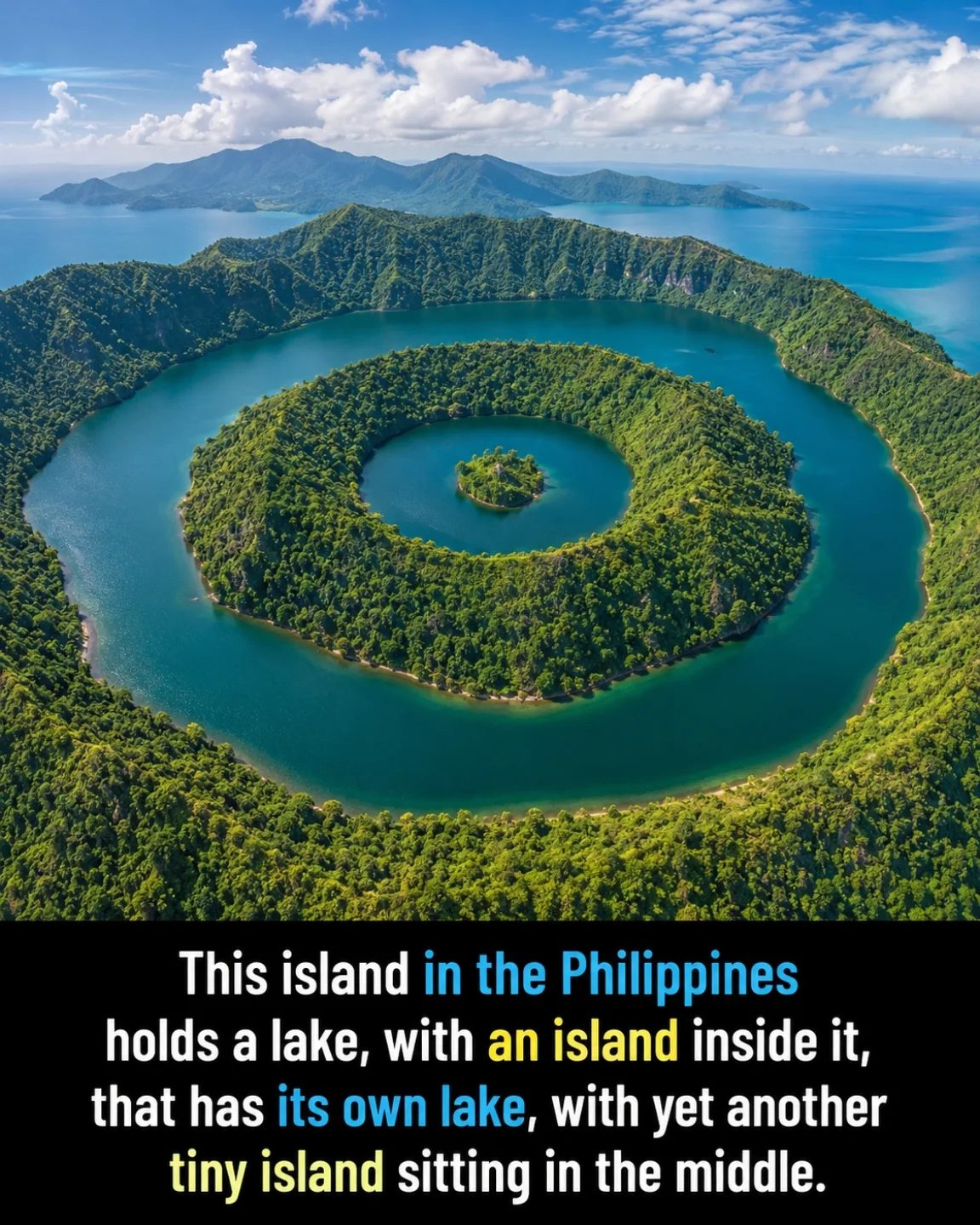
Island within an Island in the Philippines
The Philippines is home to a unique and breathtaking geological marvel: an island within an island, complete with a lake and another island within that lake. This phenomenon is a testament to the country's diverse and stunning landscapes, offering a glimpse into the complexities of natural formations.
Why This Matters
The Philippines, an archipelago comprising over 7,000 islands, is renowned for its natural beauty and geographical diversity. This particular island, with its nested formations, is a prime example of the intricate geological processes that have shaped the region. Understanding and exploring these natural wonders not only enriches our appreciation for the environment but also provides insights into the geological history of the area.
The Geology Behind the Marvel
Volcanic Origins
The outer island is a volcanic island, formed through the accumulation of volcanic materials over centuries. Volcanic activity in the Philippines is a result of the country's location along the Pacific Ring of Fire, a region characterized by frequent earthquakes and volcanic eruptions. These geological processes have contributed to the formation of numerous islands throughout the archipelago.
Lake Formation
The lake within the outer island is likely a volcanic crater lake, formed when a volcano's summit collapses, creating a depression that fills with water. These lakes are common in volcanic regions and often hold unique ecosystems. The presence of the inner island and its lake suggests a similar process of collapse and refilling, albeit on a smaller scale.
Nested Islands
The inner island, with its own lake, exemplifies a rare and intricate geological phenomenon. This formation likely occurred through a combination of volcanic activity and erosion, where the inner island was carved out by the same forces that created the outer island and its lake. The tiny island in the middle of the inner lake adds another layer of complexity, illustrating the dynamic and ever-changing nature of geological processes.
Exploring the Island
Unique Ecosystems
The nested islands support unique ecosystems, each with its distinct flora and fauna. The outer island, being larger, likely hosts a more diverse range of plant and animal species compared to the inner island. The lakes themselves provide habitats for various aquatic life forms, including fish, birds, and amphibians.
Conservation Efforts
Given the rarity and ecological significance of this geographical marvel, conservation efforts are crucial. The Philippines has implemented various measures to protect its natural wonders, including the establishment of marine protected areas and the promotion of sustainable tourism. These efforts aim to preserve the unique ecosystems and geological formations for future generations.
Visiting the Island
Accessibility
Reaching this island within an island is an adventure in itself. While the exact location is not widely publicized to protect the site from over-tourism, adventurous travelers can often find local guides and tours that offer visits to this remarkable place. The journey typically involves a combination of boat rides and short hikes, providing a comprehensive experience of the island's beauty.
What to Expect
Visitors can expect a surreal and awe-inspiring experience. The aerial view of the nested islands offers a panoramic perspective of the geological marvel, while the ground level reveals the intricate details of the landscape. Whether you're a seasoned traveler or a curious explorer, this site promises a memorable and unique adventure.
Practical Tips
Best Time to Visit
The best time to visit the Philippines, and by extension, this unique island, is during the dry season, which runs from November to April. During these months, the weather is pleasant, and the chances of encountering rainy days are lower, making outdoor activities more enjoyable.
What to Bring
When planning a visit, it's important to be prepared. Pack essentials such as comfortable hiking shoes, a waterproof jacket, a hat, sunscreen, and plenty of water. A camera or smartphone with a good camera is also a must, as the views are captivating and worth capturing.
Local Guides
Opting for a local guide can enhance your experience. Local guides possess invaluable knowledge about the area, including the best spots for viewing, local flora and fauna, and cultural insights. They can also help navigate the terrain and provide safety measures, ensuring a safe and enjoyable trip.
Important Takeaways
Exploring the island within an island in the Philippines is more than just a sightseeing adventure; it's an opportunity to witness the wonders of nature and the forces that have shaped our planet. The unique geological formations and ecosystems found here offer a glimpse into the Earth's dynamic processes and the beauty of natural diversity. Whether you're a geology enthusiast, a nature lover, or an adventure seeker, this destination promises an unforgettable experience.
Conclusion
The island within an island in the Philippines stands as a testament to the country's rich geological heritage and natural beauty. From its volcanic origins to the intricate formation of the nested islands and lakes, this site is a marvel that captivates the imagination. Whether you're exploring the outer island's landscape, marveling at the inner island's unique formation, or simply taking in the breathtaking views, this destination is sure to leave a lasting impression.
Watch the Reel
Questions readers ask
What is the island within an island in the Philippines?
The island within an island in the Philippines refers to a unique geological formation where an island contains a lake, and within that lake, there is another island. This phenomenon is a striking example of the country's varied landscapes and geological processes.
How many islands make up the Philippines?
The Philippines is an archipelago that consists of over 7,000 islands. This vast number contributes to the country's remarkable geographical diversity and the unique formations found within it.
What causes the formation of an island within a lake within an island?
The formation of an island within a lake within an island is the result of complex geological processes, including volcanic activity, erosion, and tectonic movements. These processes have shaped the Philippines' landscapes over millions of years.
Are there any other notable geological features in the Philippines?
Yes, the Philippines is home to many notable geological features, including numerous volcanoes and volcanic islands. These features contribute to the country's diverse and stunning landscapes and offer insights into its geological history.
Can visitors explore the island within an island?
While the island within an island is a unique and breathtaking sight, access to it may be limited due to its remote location and the need to preserve its natural environment. However, there are other accessible and stunning islands and lakes in the Philippines that visitors can explore.
What is the smallest island in the world?
The smallest island in the world is a subject of debate, as it depends on the definition of an island. However, some of the smallest islands are extremely tiny, with some as small as a few square meters. These tiny islands are often formed by natural processes and can be found in various locations around the world.
What is the best way to view the island within an island in the Philippines?
The best way to view the island within an island in the Philippines is from an aerial view. This perspective provides a clear and stunning visualization of the unique geographical formation, showcasing the nested islands and lake within the larger island.
Related deep dives
Similar reads based on topic and creator.

Recent articles
Fresh deep dives from the latest Reels we unpacked.



Comments
Be the first to comment.