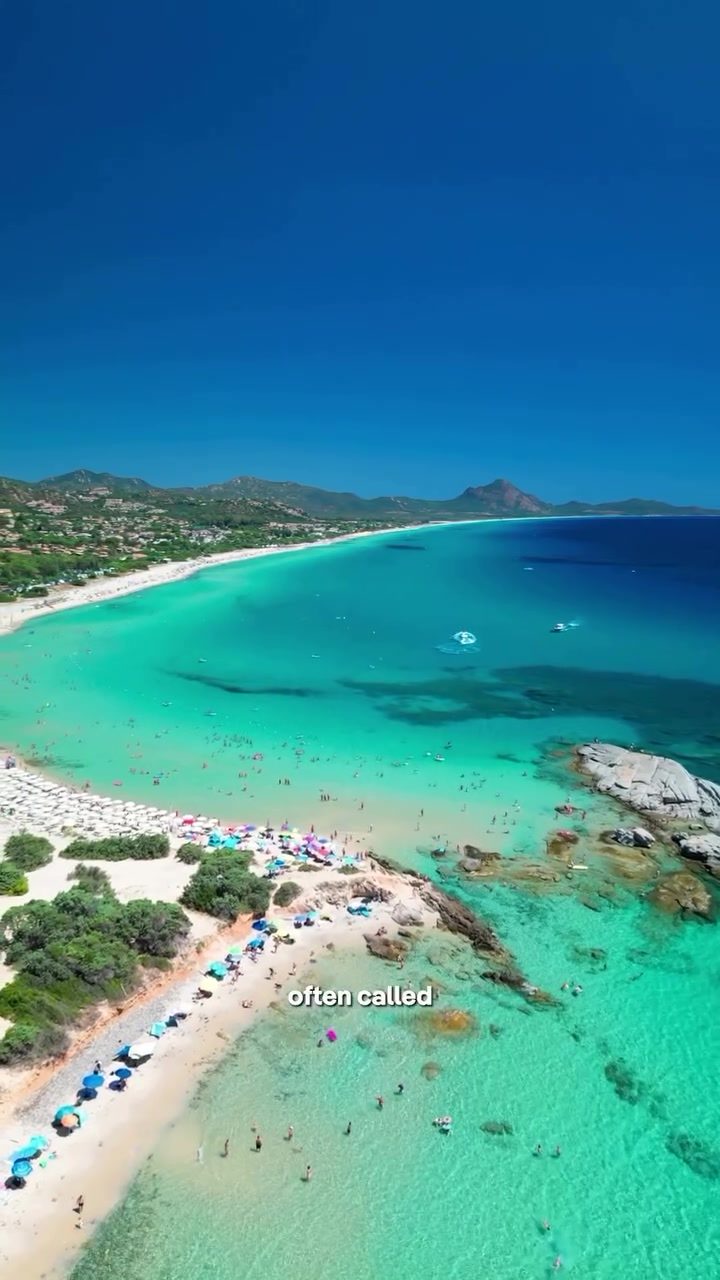
Exploring Sardinia, Italy
Sardinia, Italy's second-largest island, is a paradise of white sand beaches, turquoise waters, and hidden coves that still feel untouched. Known as the Caribbean of the Mediterranean, Sardinia offers a unique blend of stunning natural beauty, rich history, and vibrant culture. If you're planning a trip, here’s a comprehensive guide to help you make the most of your journey.
Why This Matters
Sardinia is more than just a summer escape; it’s a wild, untamed island where beaches rival the Maldives, mountains compete with the Dolomites, and traditions run deeper than almost anywhere in Europe. Understanding how to navigate this island will enhance your experience, ensuring you don’t miss out on its diverse offerings.
Getting There
Sardinia is easily accessible with three major airports:
- Cagliari in the south: Ideal for those interested in the capital and the southern beaches.
- Olbia in the northeast: The gateway to the famous Costa Smeralda.
- Alghero in the northwest: A Ryanair hub with budget flights across Europe, making it a convenient option for budget-conscious travelers.
Additionally, ferries sail from mainland Italy (Rome/Civitavecchia, Naples, Livorno, Palermo) and even from Barcelona or Corsica. This makes Sardinia a perfect addition to a larger European trip, allowing you to combine your visit with other destinations.
When to Visit
To avoid the peak tourist season and crowded beaches, plan your trip in late May to June or September to October. During these months, you’ll still enjoy swimmable seas and sunny weather, but with fewer crowds and more affordable prices. July and August are best avoided unless you prefer packed beaches and peak pricing.
How Long to Stay
Sardinia stretches 270 km from north to south, offering a variety of landscapes and experiences. A week is the bare minimum to explore beyond a single coast, but two weeks will allow you to fully immerse yourself in the island’s diverse attractions, including hidden coves, mountain hikes, wineries, and ancient ruins.
Beaches
With 1,800 km of coastline, Sardinia’s beaches are diverse and breathtaking. From pink sands in the north to black volcanic shores in the west, and golden dunes in the south, there’s a beach for every taste. Limestone cliffs offer dramatic dives into the sea, while secluded coves provide a sense of serenity.
Here are some must-visit beaches:
- Costa Smeralda: Known for its crystal-clear waters and luxurious resorts.
- Cala Luna: A stunning beach with turquoise waters and towering cliffs.
- Spaggia Bianca: Famous for its white sand and clear waters.
- Cala Goloritzé: A secluded cove with a beautiful beach and a picturesque bay.
Food and Drink
Sardinia is a culinary delight, with a rich tradition of local specialties. Some must-try treats include:
- Pecorino Sardo: One of Italy’s most prized cheeses, particularly the long-aged “stagionato,” which is nutty, sharp, and unique to the island.
- Cannonau Wine: Pair it with local cheese for an authentic Sardinian experience.
- Myrto Liqueur: A sweet, fragrant liqueur made from the myrtle berry, a plant common to the island.
- Seafood Pasta: Fresh and flavorful, Sardinian seafood pasta is a must-taste.
Culture and History
Beyond the beaches, Sardinia is rich in history and culture. Over 7,000 Nuraghe stone towers dot the landscape, relics of the island’s Bronze Age Nuragic civilization. Explore inland villages where festivals celebrate everything from harvests to saints, often featuring traditional costumes and music. Key historical sites include:
- Nuraghe Su Nuraxi: A well-preserved Nuragic settlement in Barumini.
- Tharros: An ancient Phoenician and Roman city on the western coast.
- Castelsardo: A medieval town with stunning views of the Gulf of Asinara.
Adventures and Activities
Sardinia is not just a beach destination. Adventure seekers can:
- Hike the Supramonte Mountains: For rugged trails and stunning vistas.
- Kayak or Paddleboard: Explore the coast from a different perspective.
- Drive the Scenic Routes: Take in the diverse landscapes and small towns.
Practical Tips
To make the most of your trip, keep these tips in mind:
- Stay Prepared: Many beautiful beaches require a short hike or boat trip, so come prepared with good footwear and allow enough time for unhurried exploration.
- Experience Local Culture: Try local pecorino cheese, sip myrto liqueur, and visit artisanal markets for handmade crafts.
- Respect the Environment: Pack reef-safe sunscreen to help protect Sardinia's pristine waters.
Important Takeaways
Sardinia is a gem waiting to be discovered, offering a unique blend of natural beauty, rich history, and vibrant culture. From its stunning beaches to its rugged mountains and charming villages, there’s something for everyone. Whether you’re looking for a relaxing beach vacation, an adventure-filled trip, or a cultural immersion, Sardinia has it all.
Conclusion
Sardinia is truly a paradise that offers more than just a summer escape. With its diverse landscapes, rich history, and vibrant culture, it’s a destination that should be on everyone’s bucket list. Plan your trip wisely, and you’ll be rewarded with an unforgettable experience.
Watch the Reel
Questions readers ask
What are some of the best beaches to visit in Sardinia?
Sardinia is famous for its pristine beaches. Some of the best include La Pelosa with its crystal-clear waters, Cala Luna for its stunning cliffs and clear waters, and Cala Mariolu, known for its white sand and vibrant marine life. These beaches offer a mix of relaxation and adventure, with opportunities for swimming, snorkeling, and scuba diving.
How can I experience Sardinia's rich history?
Sardinia is home to numerous historic sites. Visit the ancient Nuraghe archaeological sites, such as the Nuraghe Losa, which are unique to the island. Explore the historic town of Alghero, with its medieval walls and Catalan influences. The ancient Roman ruins of Tharros and the well-preserved medieval village of Bosa are also must-see destinations.
What cultural experiences should I seek out in Sardinia?
Sardinia's vibrant culture is a blend of ancient traditions and modern influences. Attend a traditional Sardu festival for lively music, dance, and local cuisine. Try local dishes like porceddu (roasted suckling pig) and seadas (cheese-filled pastries with a honey drizzle). Explore local craftsmanship, such as handmade ceramics and jewelry, to take home a unique piece of Sardinian culture.
How do I get to Sardinia and around the island?
You can reach Sardinia by plane, with major airports in Cagliari, Olbia, and Alghero. Ferries are also an option, connecting Sardinia to mainland Italy. Once on the island, consider renting a car to explore at your own pace, as public transportation can be limited. Buses and trains are available for popular routes, but a car offers the most flexibility.
What are some lesser-known beaches and coves in Sardinia?
For a more secluded experience, visit Cala Coticcio, known as 'the Tahiti of Sardinia,' which can be accessed by boat or a steep hike. Cala Sisine, with its turquoise waters and white sands, is another hidden gem. Cala Bunari offers a quiet retreat with its clear waters and beautiful surroundings, perfect for a serene beach day.
What is the best time to visit Sardinia for a summer trip?
The best time to visit Sardinia for a summer trip is from June to September, when the weather is warm and sunny. However, July and August can be quite crowded. If you prefer a quieter experience, consider visiting in June or early September. The sea is still warm, and the weather is pleasant, making it ideal for beach exploration and water activities.
What are some travel tips for exploring the island of Sardinia?
Plan your itinerary to include both the popular and lesser-known spots. Renting a car is highly recommended for flexibility. Pack comfortable walking shoes for exploring historic sites and beaches. Don’t forget sunscreen, as the sun can be intense. Engage with locals for insider tips and recommendations to discover hidden gems and authentic experiences.
Related deep dives
Similar reads based on topic and creator.

Recent articles
Fresh deep dives from the latest Reels we unpacked.




Comments
Be the first to comment.