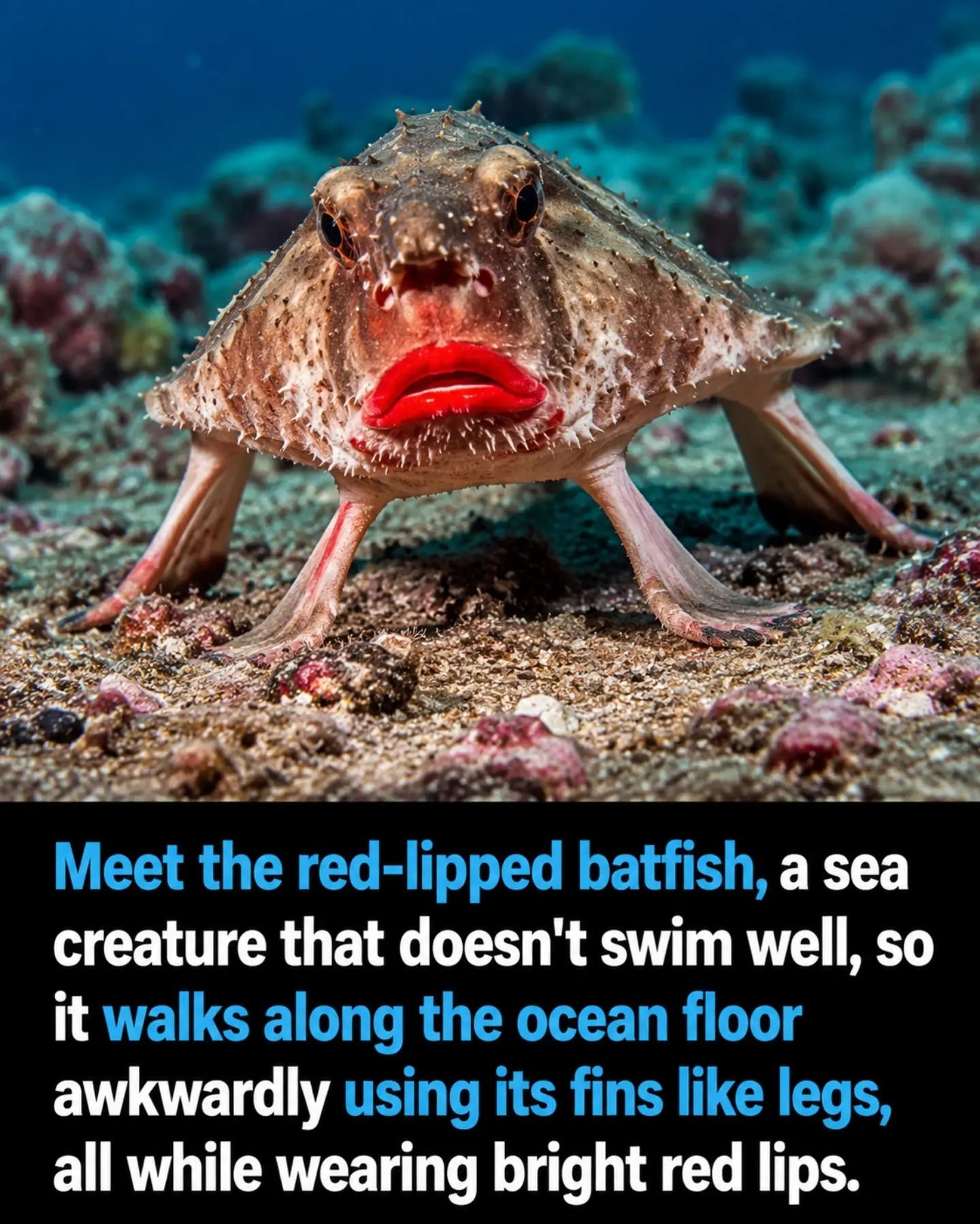
Red-lipped Batfish: A Fascinating Sea Creature
The red-lipped batfish is a fascinating sea creature that captivates with its unique appearance and peculiar locomotion. Known for its vibrant red lips and awkward walking motion, this fish is a true wonder of the marine world. Let's explore what makes the red-lipped batfish so extraordinary.
Why This Matters
Understanding the red-lipped batfish offers a glimpse into the diverse and sometimes bizarre adaptations found in the deep sea. Its distinctive features and behaviors provide valuable insights into the evolutionary strategies that allow creatures to thrive in challenging underwater environments.
The Unique Characteristics of the Red-lipped Batfish
Bright Red Lips
One of the most striking features of the red-lipped batfish is, of course, its bright red lips. These vibrant lips are thought to play a role in attracting mates. In the deep sea, where light is scarce, such visual cues can be crucial for communication and reproduction. The contrast of the red lips against the batfish's otherwise dull coloration makes it easily recognizable.
Unusual Locomotion
Unlike most fish, the red-lipped batfish doesn't swim well. Instead, it uses its modified fins to walk along the ocean floor. This unusual method of movement is both awkward and captivating to observe. The batfish's fins act like legs, propelling it forward in a slow, deliberate manner. This adaptation is likely a response to the specific challenges of its deep-sea habitat, where efficient swimming might not be as necessary as the ability to maneuver over uneven terrain.
The Habitat and Behavior of the Red-lipped Batfish
Deep-Sea Dwellers
The red-lipped batfish is typically found in the deep sea, at depths where sunlight barely penetrates. This environment is characterized by extreme pressures, low temperatures, and a scarcity of food. Despite these harsh conditions, the batfish has evolved to thrive in this unique ecosystem. Its slow-moving lifestyle and distinctive appearance are adaptations that help it survive in this challenging environment.
Feeding Habits
The red-lipped batfish is an ambush predator, using its camouflage to blend in with the ocean floor. It lies in wait for unsuspecting prey, such as crustaceans and small fish, to pass by. Once within striking distance, the batfish uses its powerful jaws to capture its meal. This hunting strategy is well-suited to the deep sea, where energy conservation is crucial.
Practical Tips for Observing the Red-lipped Batfish
Scuba Diving and Snorkeling
While the red-lipped batfish is primarily found in deep-sea environments, some species can be encountered in shallower waters. For those interested in observing this fascinating creature, scuba diving or snorkeling in areas known to have batfish populations can be an exciting adventure. Always ensure you are diving with experienced guides and follow all necessary safety protocols.
Underwater Photography
Capturing images of the red-lipped batfish can be a rewarding experience for underwater photographers. The fish’s bright red lips provide a striking contrast against the usually muted colors of the deep sea, making for some truly unique photographs. Use a camera with a macro lens to capture the intricate details of the batfish’s features.
Important Takeaways
The red-lipped batfish is a testament to the incredible diversity and adaptability of marine life. Its bright red lips and unusual walking motion make it a standout among sea creatures. Understanding this unique fish offers valuable insights into the evolutionary strategies that allow life to thrive in the deep sea. Whether you are a marine biologist, an avid diver, or simply curious about the wonders of the ocean, the red-lipped batfish is sure to fascinate.
Conclusion
The red-lipped batfish is more than just a curious oddity of the deep sea; it is a living example of the remarkable adaptations that allow life to flourish in some of the harshest environments on Earth. Its vibrant red lips and distinctive walking motion are just a few of the features that make this creature so captivating. By studying the red-lipped batfish, we gain a deeper appreciation for the rich tapestry of life in the ocean and the ingenious ways in which creatures have adapted to their surroundings.
Watch the Reel
Questions readers ask
What makes the red-lipped batfish's walking motion unique among fish?
The red-lipped batfish uses modified pectoral and pelvic fins to 'walk' along the ocean floor, unlike most fish that swim. This unique motion is one of the key adaptations that help it navigate its deep-sea environment effectively.
Why are the red lips of the red-lipped batfish significant?
The vivid red lips of the red-lipped batfish are thought to serve a purpose in attracting mates. In the dark, deep-sea environment where visibility is low, these bright lips can act as a signal to potential partners, aiding in reproduction.
What kind of environment does the red-lipped batfish inhabit?
The red-lipped batfish is an ocean floor dweller, typically found at depths ranging from 650 to 2,000 feet. This habitat is characterized by extreme cold, high pressure, and low light, making it a challenging environment for most creatures.
How do red-lipped batfish hunt and feed in their environment?
These odd sea creatures primarily feed on small crustaceans and other deep-sea invertebrates. They use their camouflage and patience to ambush prey, lying in wait on the ocean floor and striking when an opportunity arises.
What are some other deep sea fish with unusual adaptations?
The deep sea is home to many unique creatures with strange features. The anglerfish, for example, lures prey with a bioluminescent lure, while the goblin shark has a protruding, flat snout filled with sensory organs.
Are red-lipped batfish a common sight in the deep sea?
Red-lipped batfish are not commonly encountered due to their deep-sea habitat. They are rarely seen by humans, making sightings a notable event when they occur, often during deep-sea exploration or submersible expeditions.
Related deep dives
Similar reads based on topic and creator.



Recent articles
Fresh deep dives from the latest Reels we unpacked.




Comments
Be the first to comment.