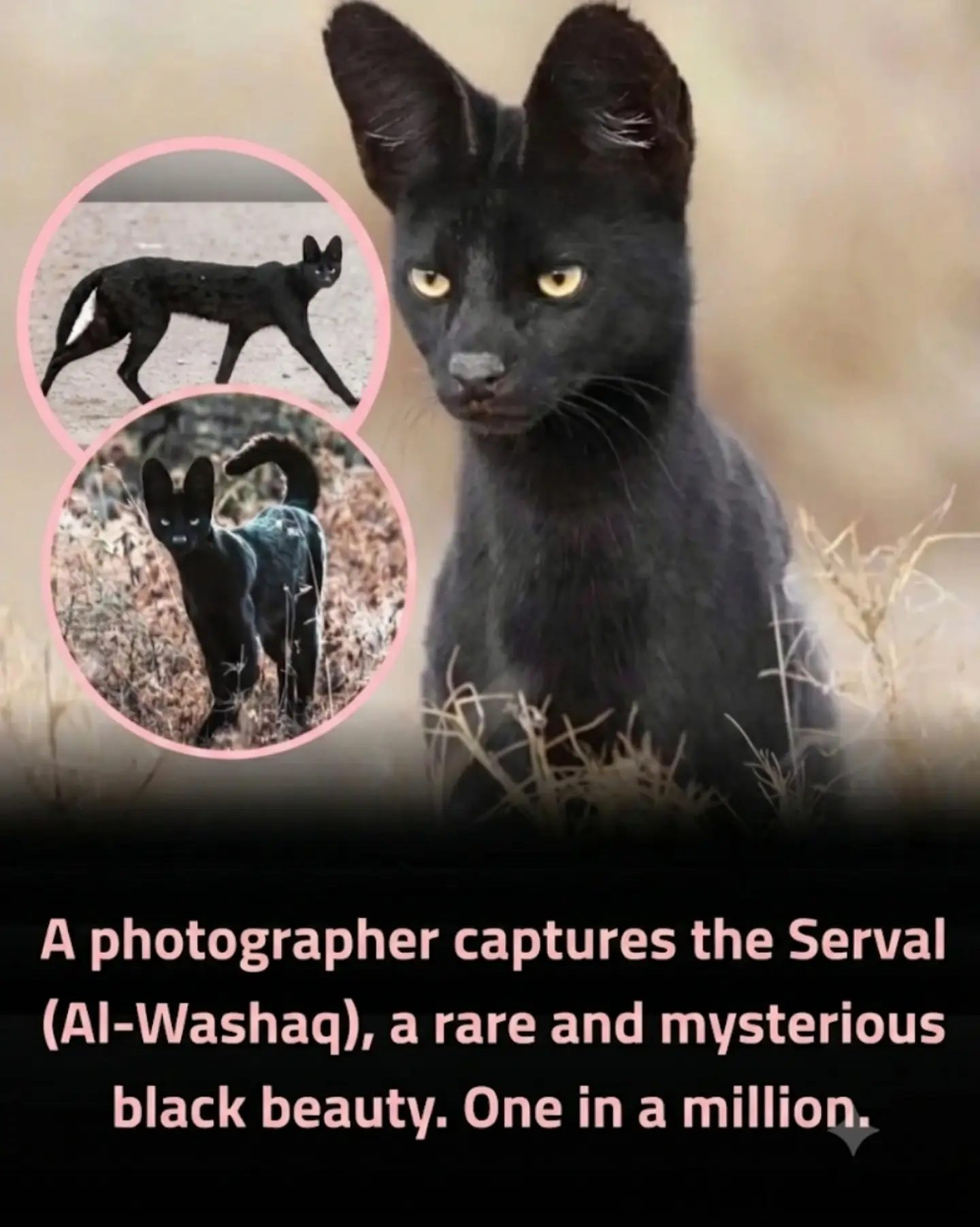
Rare Serval Cat: The Mysterious Al-Washaq
The rare melanistic serval, known as Al-Washaq, is a striking and elusive feline that captures the imagination of wildlife enthusiasts and photographers alike. This serval, scientifically known as Leptailurus serval, is an exceptionally rare variant characterized by its near-solid black coat, a result of melanism. Unlike typical servals, which feature a tawny coat with distinct black spots and stripes, Al-Washaq's dark pigmentation sets it apart in the diverse landscape of African wildlife.
Why This Matters
The rarity of the melanistic serval is not just a matter of visual intrigue; it holds significant scientific and ecological importance. Understanding the genetic mutation behind melanism and the adaptive advantages it confers can provide deeper insights into the evolutionary strategies of wild felines. These servals predominantly inhabit high-altitude regions such as the alpine grasslands of East Africa, where their darker coat may offer specific advantages, such as enhanced thermoregulation and better camouflage during nocturnal activities.
Understanding Melanistic Servals
The Genetic Mutation
Melanism in servals is a result of a genetic mutation that causes an overproduction of dark pigment, specifically eumelanin. This mutation results in a striking, near-solid black appearance, which contrasts sharply with the usual tawny coat of servals. While this mutation is rare, it is not unique to servals; melanism occurs in various animals, including jaguars, leopards, and even some domestic cats. The unique aspect of the melanistic serval is its adaptation to specific environments, particularly high-altitude grasslands.
Physical Traits and Adaptations
Despite their altered coloration, melanistic servals retain the characteristic physical traits of their species. This includes large, sensitive ears that act as acoustic radar for locating prey buried under vegetation. Their long legs, relative to body size, are another hallmark feature. These legs enable servals to execute powerful vertical leaps, crucial for capturing birds and rodents in mid-air. These adaptations make the melanistic serval a formidable hunter, even in its unique environment.
Habitat and Distribution
Melanistic servals are primarily found in high-altitude regions, such as the alpine grasslands of East Africa. These areas are characterized by cool temperatures and sparse vegetation, providing a unique ecological niche for these rare felines. The darker coat of the melanistic serval may offer thermoregulatory advantages in colder climates or enhanced camouflage during nocturnal hunting. This adaptation highlights the fascinating ways in which animals evolve to thrive in specific environments.
Rare Black Serval: The Al-Washaq
The Beauty of Al-Washaq
The Al-Washaq, as the melanistic serval is known in Arabic, is a term that translates to "one in a million." This moniker underscores the rarity and mystique of this feline. Their dark, glossy coat makes them a subject of awe and fascination for wildlife photographers and enthusiasts. Capturing images of these elusive cats in their natural habitat is a remarkable feat, offering a glimpse into the hidden world of these enigmatic creatures.
Photographing the Rare Serval
Photographers who manage to capture images of the Al-Washaq often focus on close-up shots of the cat's face and body, highlighting the intricacies of its coat and the unique features that set it apart from its tawny counterparts. These photographs often feature smaller images of the cat in different poses, showcasing its agility and grace. Text overlays in these photographs typically highlight the rarity and beauty of this unique feline, emphasizing its status as a "one in a million" sighting.
Practical Tips for Wildlife Enthusiasts
Best Practices for Wildlife Photography
For those interested in photographing rare wildlife like the Al-Washaq, it's essential to adopt best practices that prioritize the well-being of the animal and the integrity of the environment.
1. Respect the Animal's Space
Maintain a safe distance to avoid disturbing the animal’s natural behavior. Using telephoto lenses can help capture detailed images without getting too close.
2. Use Natural Light
Wildlife photography often benefits from natural light. Early morning and late afternoon provide softer light, which can enhance the details and textures of the animal’s coat.
3. Be Patient and Quiet
Patience is key in wildlife photography. Stay quiet and still to blend into the environment and allow the animal to behave naturally.
4. Know the Habitat
Understanding the animal's habitat and behavior can improve your chances of capturing a good photograph. For example, knowing that melanistic servals are nocturnal can help you plan your photography session around their active periods.
5. Use a Tripod or Monopod
These tools can help stabilize your camera, reducing blur and improving image quality, especially in low-light conditions.
Important Takeaways
The melanistic serval, or Al-Washaq, is a rare and fascinating feline that offers unique insights into the adaptive capabilities of wildlife. Its striking appearance and rare sightings make it a subject of great interest for wildlife enthusiasts and photographers. Understanding the ecological and genetic factors that contribute to its rarity can deepen our appreciation for the diversity and resilience of African wildlife.
Conclusion
The rare melanistic serval, Al-Washaq, is a testament to the incredible diversity and adaptability of wildlife. Its striking appearance and unique adaptations make it a subject of great interest and study. Whether you are a wildlife enthusiast, photographer, or a curious observer, the Al-Washaq serves as a reminder of the hidden wonders of our natural world.
Watch the Reel
Questions readers ask
What is a melanistic serval and what makes Al-Washaq unique?
A melanistic serval is a serval with a dark, almost black coat due to a genetic mutation called melanism. Al-Washaq is a specific melanistic serval known for its near solid black coat, unlike the typical tawny serval with black spots and stripes.
Where can the Al-Washaq serval be found?
The Al-Washaq serval inhabits high-altitude regions of Africa. Its specific habitat is one of the intriguing aspects of this rare feline, as it contrasts with the typical serval's savannah habitat.
What are the benefits of the Al-Washaq's unique coloring?
The exact evolutionary advantages of Al-Washaq's dark coat are still under study, but it could provide better camouflage in certain environments, or it might be favored in certain social dynamics, such as hunting.
How does the Al-Washaq serval's appearance differ from other servals?
Al-Washaq servals are distinctive due to their predominantly black coat, which contrasts starkly with the tawny coat and black spots of typical servals. This unique coloration makes them highly sought after by wildlife photographers.
What is the scientific name for the serval species?
The scientific name for the serval species is Leptailurus serval. This species includes the typical tawny serval as well as the rare melanistic variant known as Al-Washaq.
What impact does the study of the Al-Washaq serval have on wildlife research?
Studying the Al-Washaq serval can provide valuable insights into genetic mutations and their effects on wildlife. Understanding melanism in servals can offer clues about the potential adaptive benefits of such traits and the broader ecology of African felines.
What challenges do researchers face when studying the Al-Washaq serval?
Researchers face several challenges, including the rarity of sighting Al-Washaq servals and the difficulty of observing them in their high-altitude habitats. Additionally, the need to capture high-quality images for identification and study adds to the complexity.
Related deep dives
Similar reads based on topic and creator.

Recent articles
Fresh deep dives from the latest Reels we unpacked.




Comments
Be the first to comment.