Fascinating Sea Creatures: The Northern Right Whale Dolphin
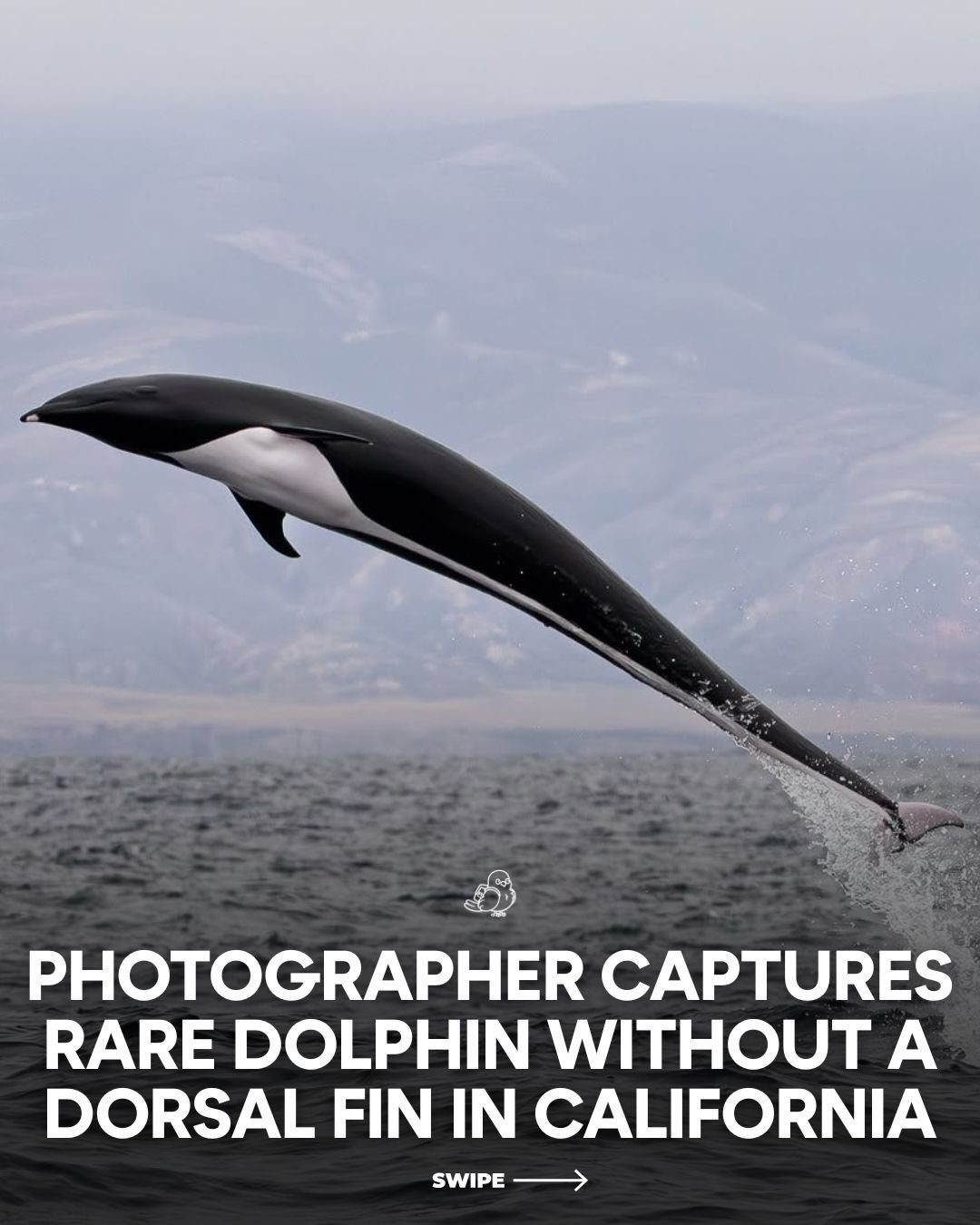
The northern right whale dolphin is one of the most intriguing marine mammals, known for its unique appearance and remarkable behavior. This dolphin species is one of only two dolphin species without a dorsal fin, which makes it particularly distinctive.
Context / Why this matters
The northern right whale dolphin's lack of a dorsal fin is not just a curious physical trait; it reflects broader aspects of their biology and ecology. Understanding these dolphins offers insights into the diversity of marine life and the intricate web of ocean ecosystems.
Main discussion
Unique Physical Characteristics
The most striking feature of the northern right whale dolphin is its absence of a dorsal fin. This characteristic sets it apart from other dolphin species and makes it a subject of fascination for marine biologists and enthusiasts alike. The lack of a dorsal fin is thought to be an adaptation that reduces drag and energy expenditure, allowing these dolphins to swim more efficiently. The dolphin's smooth, streamlined body further enhances its agility and speed in the water.
In addition to the lack of a dorsal fin, the northern right whale dolphin has a relatively long, slender beak and a distinctive color pattern. Its body is typically dark gray on the upper side and lighter on the underside, with a white or light gray patch on the ventral side. These color patterns can vary, but they generally serve as camouflage, helping the dolphins blend in with their surroundings and evade predators or ambush prey.
Behavior and Social Structure
Northern right whale dolphins are known for their synchronized leaps, which are a spectacle to behold. These dolphins often jump in unison, creating a mesmerizing display as they break the water's surface. This behavior is not just for show; it is believed to play a role in communication and social bonding. Synchronized leaps can help dolphins coordinate their movements, signal to one another, and reinforce social bonds within their pods.
These dolphins are also famous for their tendency to travel in large groups, known as superpods. Superpods can consist of up to 3,000 dolphins, making them one of the largest aggregations of dolphins in the world. The formation of superpods is thought to be influenced by factors such as food availability, mating opportunities, and social interactions. Traveling in large groups provides these dolphins with protection from predators and increased chances of finding food.
Diet and Habitat
Northern right whale dolphins have a varied diet, primarily consisting of squid and small fish. They are skilled hunters, often diving deep to pursue their prey. Their streamlined bodies and efficient swimming make them well-adapted for deep-sea hunting. These dolphins are known to swim alongside Pacific white-sided dolphins, forming mixed-species groups that can enhance their hunting success and provide additional protection.
The habitat of the northern right whale dolphin extends across the eastern Pacific Ocean, where they can be found in both warm and temperate waters. They prefer offshore environments and are often found in areas with strong currents and upwellings, which bring nutrient-rich water to the surface and support abundant marine life. California's coastal waters are a prime example of such an environment, making it a hotspot for sightings of these remarkable dolphins.
Practical tips
To observe or photograph northern right whale dolphins, it’s essential to prioritize their well-being and respect their natural habitat. Here are a few practical tips:
- Use a Telephoto Lens: For photography, a telephoto lens allows you to capture detailed shots from a distance without disturbing the dolphins. This helps maintain a safe and respectful distance.
- Stay Quiet and Patient: Avoid making loud noises or sudden movements that could startle the dolphins. Patience is key; waiting quietly for the right moment can lead to the best sightings and photographs.
- Follow Local Guidelines: Always adhere to local regulations and guidelines for marine wildlife viewing. Many areas have specific rules to protect dolphins and other marine life.
- Support Conservation Efforts: Contribute to organizations that work to protect marine habitats and the species that call them home. Your support can make a significant difference in preserving these ecosystems for future generations.
- Join Guided Tours: Consider joining a guided tour led by experienced marine biologists or naturalists. These experts can provide valuable insights and ensure that your observation or photographic activities are conducted responsibly.
Important takeaways
- The northern right whale dolphin is one of only two dolphin species without a dorsal fin, making it a unique and fascinating marine mammal.
- These dolphins are known for their synchronized leaps and their tendency to form large superpods, which can consist of up to 3,000 individuals.
- Their diet mainly consists of squid and small fish, and they are adept at deep-sea hunting, often diving to great depths to pursue their prey.
- Northern right whale dolphins are found in the eastern Pacific Ocean, preferring offshore environments with strong currents and upwellings.
- Responsible viewing and photography practices are crucial for the well-being of these remarkable creatures.
Conclusion
The northern right whale dolphin is a testament to the incredible diversity and adaptability of marine life. Its unique physical traits, remarkable behaviors, and intricate social structures make it a subject of great interest for both scientists and marine enthusiasts. By understanding and appreciating these extraordinary creatures, we can better protect and preserve the delicate ecosystems they inhabit. The next time you encounter a northern right whale dolphin, take a moment to marvel at the wonders of the natural world.
Watch the Reel
Questions readers ask
Why doesn't the Northern Right Whale Dolphin have a dorsal fin?
The Northern Right Whale Dolphin has evolved without a dorsal fin, likely as an adaptation to reduce drag and enhance its swimming efficiency. This unique trait sets it apart from most other dolphin species and contributes to its distinctive appearance.
Where can you find the Northern Right Whale Dolphin?
The Northern Right Whale Dolphin is predominantly found in the temperate and tropical waters of the Pacific Ocean, with sightings commonly reported off the coast of California. These dolphins typically inhabit deep offshore waters, making encounters with them less frequent than with some other marine mammals.
What are synchronized dolphin leaps and why do they occur?
Synchronized leaps are a behavior where multiple dolphins jump out of the water simultaneously. This behavior is often seen in the Northern Right Whale Dolphin and is thought to be a form of social bonding, play, or communication. It's a captivating sight that offers a glimpse into the complex social structures of these marine mammals.
How can you identify a Northern Right Whale Dolphin from a distance?
The most distinctive feature for identifying a Northern Right Whale Dolphin from a distance is its lack of a dorsal fin. Additionally, these dolphins have a sleek, streamlined body and a rounded head without a prominent beak. Their synchronized leaps and acrobatic behavior can also help distinguish them from other marine species.
What other marine mammals lack a dorsal fin?
The Northern Right Whale Dolphin is one of only two dolphin species that lack a dorsal fin; the other is the Southern Right Whale Dolphin. This unique characteristic makes them particularly notable among marine mammals, which generally possess a dorsal fin for stability and balance.
What is the significance of studying the Northern Right Whale Dolphin?
Studying the Northern Right Whale Dolphin provides valuable insights into the adaptations and behaviors of marine mammals. Understanding their unique physiology and social structures contributes to a broader understanding of ocean ecosystems and the diverse life forms that inhabit them.
Can you photograph Northern Right Whale Dolphins?
Photographing Northern Right Whale Dolphins can be challenging due to their deep offshore habitats and relatively rare sightings. However, it is possible, especially during dedicated whale-watching tours or research expeditions. Photographs can help document their behavior and physical characteristics, aiding in conservation efforts and scientific research.
Related deep dives
Similar reads based on topic and creator.

Recent articles
Fresh deep dives from the latest Reels we unpacked.




Comments
Be the first to comment.