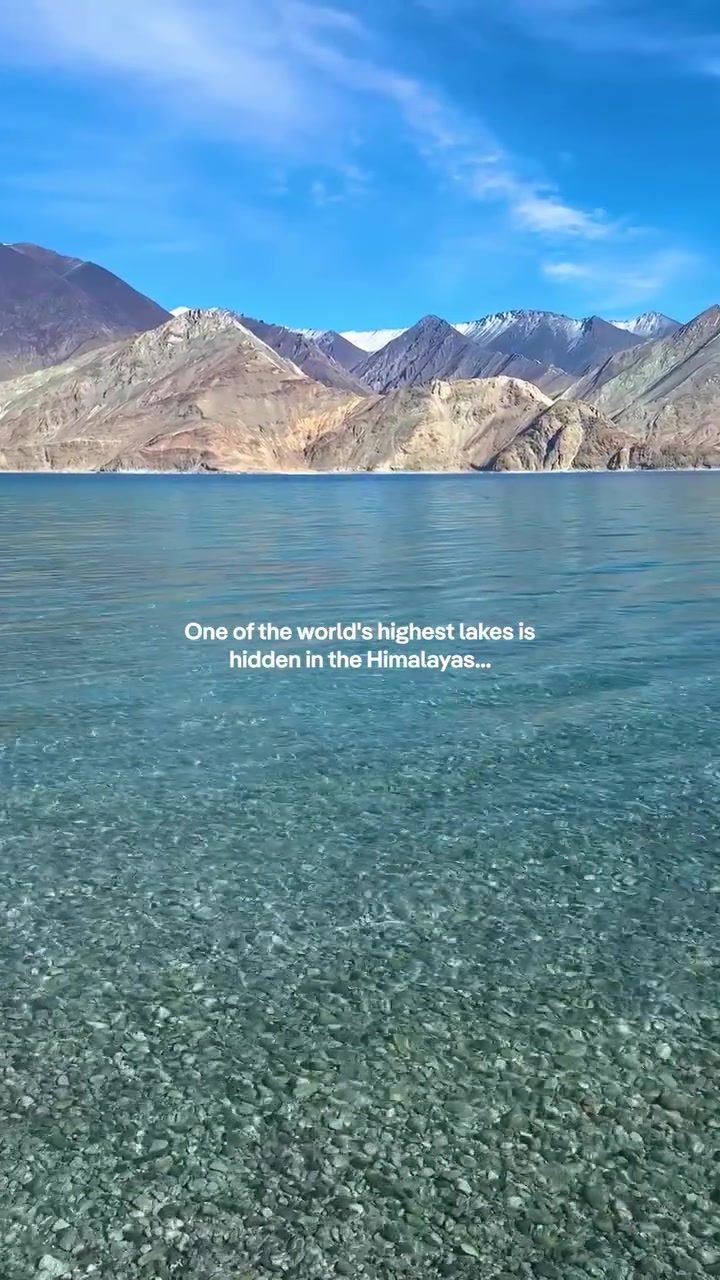
Pangong Tso Lake
Pangong Tso Lake, nestled in the Himalayas, is a marvel of nature that offers a unique and breathtaking landscape. Stretching across the high-altitude desert of Ladakh, this vast lake is renowned for its striking shades of blue, which change throughout the day with the light and weather. Surrounded by rugged mountains and sitting at an elevation of over 4,000 meters, the scenery here is almost otherworldly. The combination of crystal-clear water, dramatic peaks, and complete silence makes it one of the most memorable places to experience in the Himalayas.
Why This Matters
Pangong Tso Lake is more than just a scenic spot; it is a geological wonder and a cultural treasure. Its unique characteristics and the serene environment make it a must-visit destination for travelers seeking both adventure and tranquility. Understanding the lake's geological, ecological, and cultural significance can enhance the appreciation for this remarkable place.
Main Discussion
Geographical and Ecological Significance
Pangong Tso Lake is one of the world’s highest lakes, hidden in the Himalayas. It stretches for 134 kilometers across India and Tibet, making it a trans-boundary lake. This vast expansive ensures that the lake is not just a beautiful sight but also a critical ecological zone. The lake is saltwater, which means it has a unique ecosystem that supports a limited variety of life forms. Fish are surprisingly scarce, which adds to the lake's distinctiveness. In winter, the lake freezes into a vast sheet of ice, creating a breathtaking winter wonderland.
The Unique Ecological Balance
The saltwater nature of Pangong Tso Lake creates a unique ecological balance. The high salinity means that the lake supports a limited variety of aquatic life, making it a challenging environment for most fish species. However, this doesn't mean the lake is devoid of life. Various microorganisms and unique species adapted to the harsh conditions thrive here. The lake's ecosystem is a fascinating study in biological adaptation and resilience.
Winter Magic
Winter transforms Pangong Tso Lake into a magical landscape. The lake freezes over, turning into a vast sheet of ice. This transformation not only alters the visual appeal but also changes the way locals and visitors interact with the lake. In winter, the frozen lake becomes a playground for adventure seekers and a tranquil retreat for those seeking solace in nature.
Practical Tips
Best Time to Visit
The best time to visit Pangong Tso Lake depends on what you want to experience. For those interested in the lake's vibrant blue hues and clear water, summer is the ideal time. However, if you want to witness the lake's winter magic, plan your visit between November and February. Keep in mind that winter travel can be challenging due to harsh weather conditions, so it's essential to be well-prepared.
Essential Gear
Regardless of the season, visiting Pangong Tso Lake requires some essential gear. In summer, carry sunscreen, a hat, and sunglasses to protect yourself from the sun. In winter, pack warm clothing, including a thermal jacket, gloves, and a hat. Waterproof boots are also recommended, as the terrain can be slippery.
Safety Precautions
Given the high altitude and harsh weather conditions, it's crucial to take necessary safety precautions. Always stay hydrated, especially at high altitudes. Be cautious when walking on the frozen lake in winter, as the ice can be slippery. It's also advisable to carry a basic first-aid kit and inform someone about your travel plans, especially if you're venturing alone.
Accommodation and Logistics
Accommodation options near Pangong Tso Lake are limited, so it's best to book in advance. Camping is a popular option, but it's essential to have the right equipment, as temperatures can drop significantly at night. If you prefer more comfort, there are a few guesthouses and campsites in the area. Ensure you have reliable transportation, as the road conditions can be challenging.
Important Takeaways
Pangong Tso Lake is a geological marvel and a cultural treasure. Its unique ecosystem, the stunning winter transformation, and the serene environment make it a must-visit destination. Understanding the lake's significance and planning your trip with the right preparation can ensure a memorable experience.
Conclusion
Pangong Tso Lake is a testament to nature’s beauty and complexity. Whether you visit in summer to witness the vibrant blue hues or in winter to experience the frozen expanse, the lake offers an unforgettable experience. With its unique ecological balance and breathtaking scenery, Pangong Tso Lake is a destination that captivates the heart and mind. Plan your visit, prepare well, and immerse yourself in the magic of this extraordinary place.
Watch the Reel
Questions readers ask
Why is Pangong Tso Lake known for its unique blue hues?
Pangong Tso Lake is renowned for its striking blue colors due to its high altitude and the unique reflections of the surrounding mountains. The changing light and weather conditions throughout the day create a mesmerizing display of varying shades of blue, making it a favorite among photographers and nature enthusiasts.
What makes Pangong Tso Lake a critical ecological zone?
Pangong Tso Lake's unique saltwater ecosystem and its trans-boundary nature across India and Tibet contribute to its ecological significance. The lake supports a diverse range of flora and fauna adapted to high-altitude conditions, including several migratory bird species.
Is Pangong Tso Lake accessible during winter in Ladakh?
Winter in Ladakh can be challenging due to heavy snowfall and extremely low temperatures. However, visitors can access Pangong Tso Lake during winter. The journey is more adventurous, requiring special vehicles and proper winter gear. The frozen lake offers a unique and serene experience.
What are the best times to visit Pangong Tso Lake for optimal scenery?
The best times to visit Pangong Tso Lake are during the spring (April to June) and autumn (September to November) seasons. During these periods, the weather is relatively mild, and the landscape is lush and vibrant. Moreover, the clear skies enhance the reflection of the mountains on the lake, creating a stunning visual experience.
How does the lake's trans-boundary nature impact its significance?
Pangong Tso Lake's trans-boundary nature, spanning India and Tibet, holds cultural and strategic importance. The lake serves as a unique intersection of two distinct regions, fostering cross-cultural exchanges and influencing local communities' heritage. Additionally, its trans-boundary nature requires collaborative conservation efforts between the two countries.
What activities can visitors enjoy at Pangong Tso Lake?
Visitors to Pangong Tso Lake can enjoy a variety of activities, including sightseeing and photography. The lake's mesmerizing blue hues and breathtaking mountain landscapes offer endless opportunities for stunning photographs. Adventure activities like camping and trekking are also available.
What kind of wildlife can be seen at Pangong Tso Lake?
Pangong Tso Lake is home to a variety of wildlife, including several migratory bird species. The lake provides a habitat for species like the Black-necked Crane, Bar-headed Goose, and Brown-headed Gull. Additionally, visitors can spot unique high-altitude wildlife such as the Kiang (Tibetan Wild Ass) and the Bharal (Blue Sheep).
Related deep dives
Similar reads based on topic and creator.



Recent articles
Fresh deep dives from the latest Reels we unpacked.




Comments
Be the first to comment.