Iguazu Falls: A Natural Wonder on the Border of Brazil and Argentina
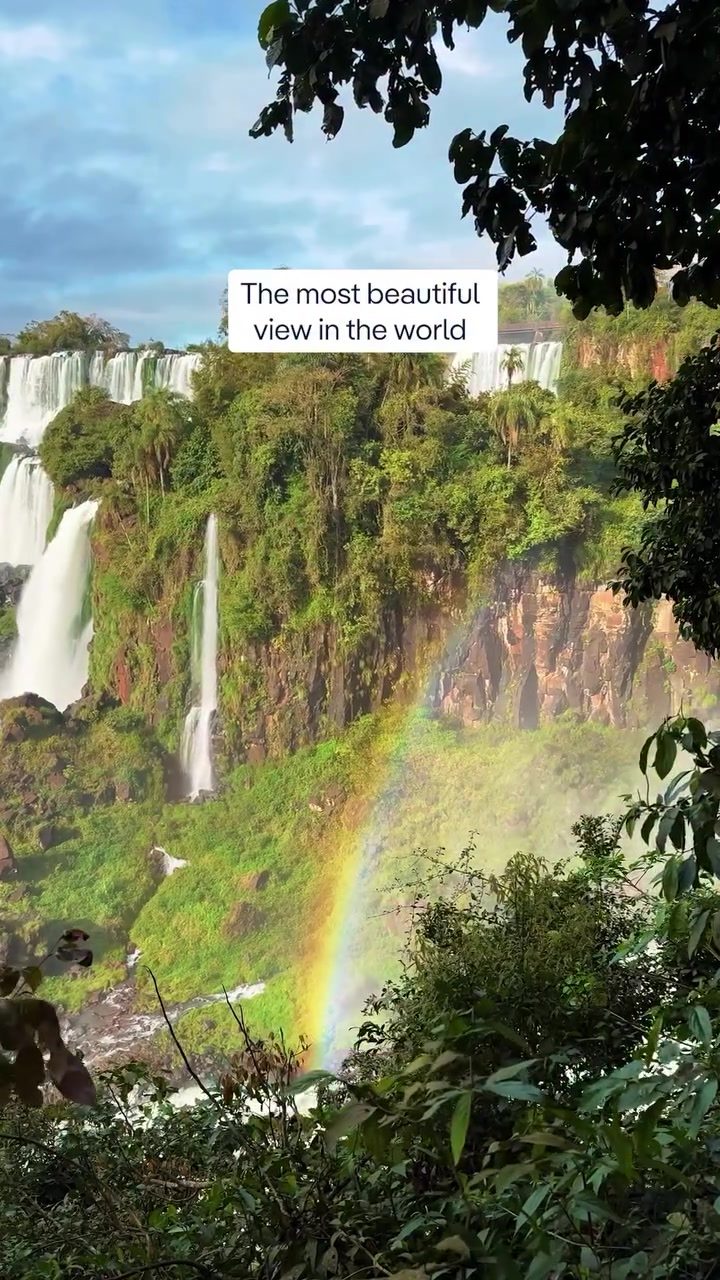
Perched on the border of Brazil and Argentina, Iguazu Falls is a breathtaking natural spectacle that showcases the raw power and beauty of nature. This is no ordinary waterfall; it is a vast system of hundreds of individual cascades that tumble through lush Atlantic rainforest, creating a mesmerizing display of water, mist, and vibrant rainbows. Whether you're planning a trip to Brazil or seeking the most remarkable natural sights in South America, Iguazu Falls is a must-visit destination.
Why This Matters
Iguazu Falls is more than just a tourist attraction; it is a geological marvel that offers a unique blend of natural beauty and cultural significance. The falls serve as a vital habitat for diverse plant and animal life, and they hold deep cultural significance for the indigenous communities in the region. Understanding the significance of Iguazu Falls is crucial for appreciating the natural wonders of South America and the importance of preserving such ecosystems for future generations.
Ecological Importance
Iguazu Falls is part of a larger ecosystem that supports a rich biodiversity. The falls and the surrounding rainforest are home to numerous species of plants and animals, many of which are endangered. The constant flow of water and the mist created by the falls provide a unique microclimate that supports a variety of life forms, from lush vegetation to rare bird species. The conservation of Iguazu Falls is essential for maintaining this delicate ecological balance.
Cultural Significance
The falls hold deep cultural significance for the indigenous communities in the region. The Guaraní people, who have lived in the area for centuries, consider Iguazu Falls a sacred site. They have a rich mythological tradition associated with the falls, which adds to the spiritual and cultural significance of the site. Visiting Iguazu Falls provides an opportunity to learn about the indigenous cultures and their deep connection to the natural world.
The Experience of Iguazu Falls
The Brazilian Side: A Panoramic View
From the Brazilian side, you get a panoramic view of the falls, which stretches as far as the eye can see. The cliffs are covered in deep green, and the mist rising from below creates a constant, powerful rhythm. The falls are not just a single cascade but an entire system, making it one of the most spectacular natural sights in the world.
Visit during March to May or August to October for a strong water flow and fewer crowds. The volume increases dramatically after heavy rain, making the falls feel even more awe-inspiring. These times offer a balance between the dramatic flow of water and manageable crowds, ensuring a more serene and unforgettable experience.
The Argentine Side: Closer Encounters
On the Argentine side, you get a closer and more immersive experience with the falls. The trail walkways and platforms extend to the base of the falls, offering a unique perspective. The Devil's Throat, a U-shaped waterfall, is a highlight of this side, where the falls plummet into a deep chasm with a thunderous roar. The mist and the spray make the air feel alive, creating a magical atmosphere.
The Mist and the Rainbows
One of the most enchanting aspects of Iguazu Falls is the constant mist that rises from the water, creating a rainbow that arches across the cascading water and lush greenery. The mist and rainbows are a result of the unique interaction between the water and the sunlight, making the falls a spectacle of natural beauty.
Practical Tips for Visiting
Best Time to Visit
The best times to visit Iguazu Falls are during the months of March to May and August to October. During these periods, the water flow is strong, and the crowds are fewer, providing a more serene experience. The falls are particularly dramatic after heavy rain, so planning your visit accordingly can enhance your experience.
Planning Your Itinerary
If you are planning a Brazil itinerary or looking for natural wonders in South America, Iguazu Falls is a must-add to your list. The falls are accessible from both the Brazilian and Argentine sides, each offering a unique perspective. Plan to spend at least a day exploring both sides to fully appreciate the grandeur of the falls.
Accommodation and Transportation
There are numerous accommodation options in the vicinity of the falls, catering to different budgets and preferences. Many visitors choose to stay in nearby cities like Foz do Iguaçu (Brazil) or Puerto Iguazú (Argentina) for easy access. Public transportation, including buses and taxis, is readily available, making it convenient to travel between the falls and your accommodation.
Essential Gear
Bring a waterproof jacket or poncho, waterproof shoes, and a change of clothes, as the mist can be intense, particularly near the falls. A waterproof camera or case is also recommended to capture the beauty without worrying about damage from the spray.
Important Takeaways
Iguazu Falls is a natural wonder that offers a unique blend of ecological importance, cultural significance, and breathtaking beauty. The falls are a testament to the power and majesty of nature, and they provide an unforgettable experience for visitors from around the world. Whether you are a nature enthusiast, a cultural explorer, or a traveler seeking adventure, Iguazu Falls is a destination that should not be missed.
Understanding the Falls
Iguazu Falls is a complex system of hundreds of individual cascades that create a mesmerizing display of water, mist, and rainbows. The falls are not just a tourist attraction; they are a vital habitat for diverse plant and animal life and hold deep cultural significance for the indigenous communities in the region.
Embracing the Experience
Visiting Iguazu Falls provides an opportunity to immerse yourself in nature, appreciate its beauty, and understand its significance. Whether you are on the Brazilian side, enjoying the panoramic view, or on the Argentine side, getting up close to the falls, the experience is bound to leave a lasting impression.
Conservation and Responsibility
As visitors, it is our responsibility to preserve the natural beauty of Iguazu Falls for future generations. This includes respecting the environment, following guidelines, and supporting conservation efforts. By doing so, we can ensure that the falls continue to thrive and inspire visitors for years to come.
Conclusion
Iguazu Falls is more than just a natural wonder; it is a testament to the power and beauty of nature. The falls offer a unique blend of ecological importance, cultural significance, and breathtaking beauty, making it a destination that should not be missed. Whether you are planning a trip to Brazil, seeking natural wonders in South America, or looking for an unforgettable experience, Iguazu Falls is a must-visit destination. Embrace the opportunity to immerse yourself in the grandeur of the falls, appreciate their significance, and contribute to their preservation for future generations.
Watch the Reel
Questions readers ask
Where exactly is Iguazu Falls located?
Iguazu Falls is located on the border of Brazil and Argentina, spanning across the Iguazu River in South America.
What makes Iguazu Falls unique compared to other waterfalls?
Iguazu Falls is unique because it is composed of 275 individual falls and cataracts, making it one of the widest waterfall systems in the world. Its vastness and the lush rainforest surrounding it create a distinctive and breathtaking landscape.
What is the best time of year to visit Iguazu Falls?
The best time to visit Iguazu Falls is during the dry season, from April to September. During this period, you'll enjoy clearer views of the falls and easier access to trails. However, the wet season (November to March) offers more water volume and vibrant rainbows.
Are there different viewpoints to see Iguazu Falls from both Brazil and Argentina?
Yes, there are distinct viewpoints on both sides of the border. The Brazilian side offers panoramic views of the falls, while the Argentine side provides closer access to the falls through a network of trails and walkways.
What kind of wildlife can be seen around Iguazu Falls?
Iguazu Falls is home to a rich variety of wildlife. Visitors can spot numerous bird species, coatis, capybaras, and even small monkeys. The surrounding rainforest also hosts a diverse range of plant life, making it a haven for nature lovers.
What is the significance of Iguazu Falls to indigenous communities?
Iguazu Falls holds deep cultural significance for indigenous communities. These communities have long revered the falls for its natural beauty and spiritual importance. The falls are an integral part of their cultural heritage and traditions.
Related deep dives
Similar reads based on topic and creator.




Recent articles
Fresh deep dives from the latest Reels we unpacked.




Comments
Be the first to comment.