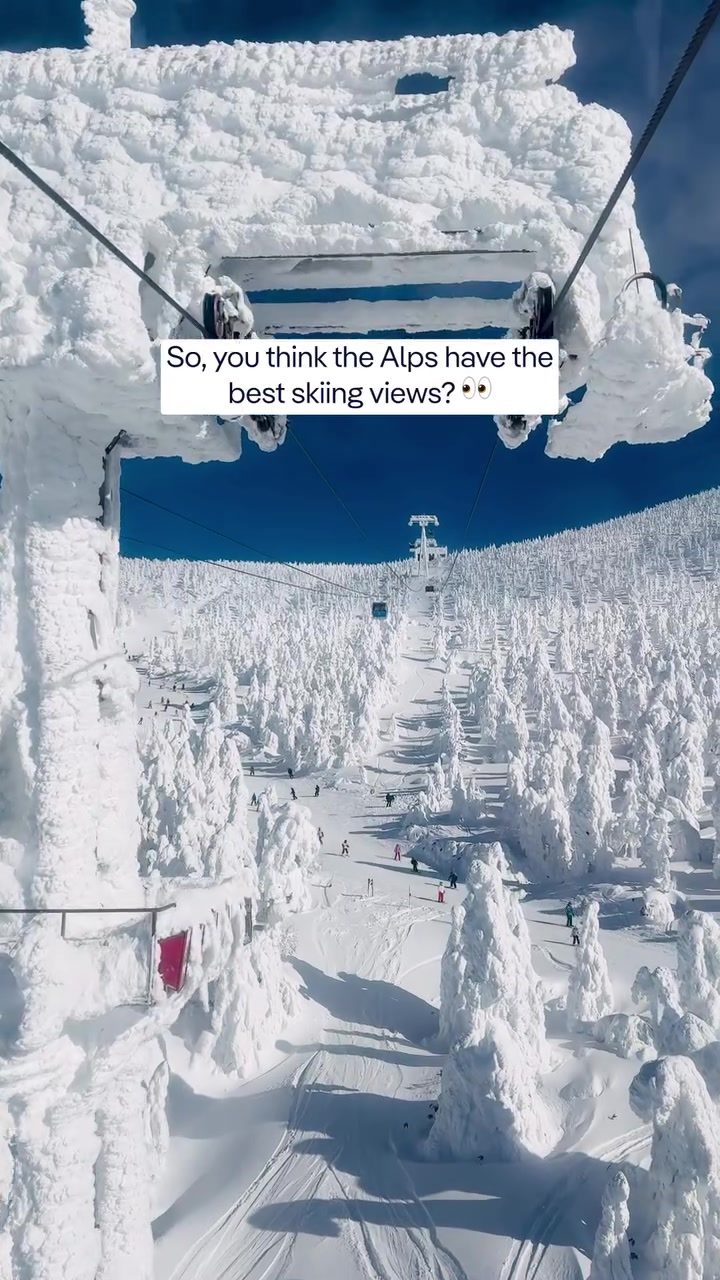
Skiing in Japan vs. Alps
Japan's skiing scene stands as a remarkable alternative to the well-known slopes of the Alps. From the powdery terrain to the serene surroundings, skiing in Japan offers a unique experience. While the Alps remain a classic choice for skiers, it’s worth exploring what sets Japan’s ski destinations apart.
Context / Why this matters
The charm of skiing in Japan lies in its unique blend of natural beauty, cultural experiences, and world-class ski resorts. Unlike the Alps, which are often crowded with tourists, Japan offers a more tranquil and authentic experience. The combination of stunning landscapes, fresh powder, and the relaxing tradition of onsen baths after a day on the slopes makes Japan a compelling destination for skiers.
Main discussion
Natural Beauty and Terrain
Japan's ski resorts are renowned for their pristine snow and vast, uninterrupted slopes. Imagine gliding down powdery runs surrounded by snow-capped mountains and dense forests. The contrast between the Alps' rugged peaks and Japan's tranquil, snow-laden landscapes is striking. The powder in Japan is often lighter and drier, providing an excellent skiing experience.
Top Ski Resorts in Japan
Japan boasts a variety of exceptional ski resorts, each offering a unique experience. Here are some notable ones:
Niseko (Hokkaido)
Niseko is a powder haven known for its deep snow and après-ski scene. This resort is a favorite among international skiers, offering a vibrant atmosphere with numerous bars and restaurants. The terrain is perfect for both beginners and advanced skiers, with a variety of runs and off-piste opportunities.
Hakuba (Nagano)
Hakuba is a large and diverse ski area, featuring ten interconnected resorts. It is a popular destination for skiing enthusiasts, particularly those who enjoy challenging slopes. Hakuba hosted the 1998 Winter Olympics, giving it a rich history and world-class infrastructure. The resort is also known for its après-ski activities, including dining and nightlife.
Furano (Hokkaido)
Furano is another gem in Hokkaido, known for its deep snow and fewer crowds. This resort offers a more serene skiing experience, making it ideal for those seeking a quieter getaway. The terrain is varied, with options for both beginners and advanced skiers.
Nozawa Onsen (Nagano)
Nozawa Onsen is famous for its onsen (hot spring) baths, providing the perfect way to unwind after a day on the slopes. The resort offers a mix of traditional Japanese charm and modern skiing facilities. There are plenty of slopes to explore, catering to all skill levels.
Shiga Kogen (Nagano)
Shiga Kogen is Japan’s largest ski area, with over 20 interconnected pistes. It offers a diverse range of terrain, from gentle slopes for beginners to challenging runs for experts. The resort is less crowded than some other destinations, providing a more relaxed atmosphere.
Rusutsu (Hokkaido)
Rusutsu is celebrated for its powdery slopes and thrilling tree runs. This resort offers a unique blend of natural beauty and challenging terrain. The ski area is less crowded, ensuring a more peaceful experience.
The Best Time to Visit
The best time to visit Japan for skiing depends on your preferences. Here are the key periods to consider:
December to Early January
This period is ideal for those who enjoy fresh snow and holiday cheer. The slopes are usually covered in pristine powder, and the holiday vibe adds to the overall experience. However, expect some crowds at the most popular resorts.
Mid-January to February
This is the peak powder season in Japan. The snow is at its best, and the slopes are perfect for skiing. Keep in mind that this is also the busiest time, so booking in advance is recommended.
March to Early April
For those who prefer fewer crowds and a more relaxed atmosphere, March and April are ideal. The snow is still good, and the spring vibes add a different charm to the experience. This period is also great for spring skiing, with longer days and warmer temperatures.
Practical tips
Packing for the Trip
Packing for a ski trip to Japan requires careful consideration. Bring waterproof and breathable ski clothing, thermal layers, and insulated boots. Don’t forget sunscreen and lip balm, as the sun’s reflection off the snow can be intense.
Getting Around
Japan’s public transportation system is efficient and reliable. Many ski resorts can be reached by train, making travel convenient. Once at the resort, consider renting a car or using local shuttle services to explore the surrounding areas.
Language and Communication
While many staff at ski resorts speak English, learning a few basic Japanese phrases can enhance your experience. This includes greetings, asking for directions, and ordering food.
Safety and Etiquette
Skiing in Japan is generally safe, but it’s essential to follow safety guidelines and respect local etiquette. Always wear a helmet, stay on marked trails, and be mindful of other skiers and snowboarders. When using onsen, be sure to follow the rules, such as washing before entering and tying up long hair.
Important takeaways
Skiing in Japan offers a unique and tranquil experience, with stunning landscapes and excellent terrain. The powdery slopes, diverse resorts, and cultural experiences make it a compelling choice for skiers. Whether you prefer the bustling atmosphere of Niseko or the serene slopes of Furano, Japan’s ski resorts offer something for everyone.
Conclusion
Japan’s skiing scene is a hidden gem, offering a blend of natural beauty, world-class terrain, and cultural charm. With stunning landscapes, diverse resorts, and a serene atmosphere, it stands as a remarkable alternative to the Alps. Whether you’re a seasoned skier or a beginner, Japan promises an unforgettable skiing adventure.
Watch the Reel
Questions readers ask
What makes Japan's ski resorts unique compared to those in the Alps?
Japan's ski resorts offer a distinct experience with their serene, less crowded landscapes and lighter, fluffier powder compared to the often rugged and busy slopes of the Alps. The unique blend of cultural charm and natural beauty in Japan provides a tranquil and authentic skiing experience.
Which regions in Japan are famous for their ski resorts?
Japan's ski resorts are renowned in various regions. Hokkaido is particularly famous for its high-quality powder and numerous ski resorts, while Nagano and Yamagata also host exceptional ski slopes and stunning views. These areas provide a diverse range of terrain and breathtaking landscapes.
What is the significance of onsen baths in Japan's skiing culture?
Onsen baths are traditional Japanese hot springs that offer a relaxing and rejuvenating experience after a day of skiing. They are an integral part of Japan's skiing culture, providing skiers with a unique way to unwind and soothe their muscles. Many ski resorts in Japan have onsen facilities, enhancing the overall skiing experience.
What are the benefits of skiing in Japan during the early season?
Early season skiing in Japan offers fresh, untouched powder and fewer crowds. The snow conditions are typically excellent, and the landscapes remain pristine. Additionally, early season skiing allows visitors to enjoy the serenity of the slopes while experiencing the natural beauty of Japan's ski resorts.
How does Japan's ski scenery compare to other popular ski destinations?
Japan's ski scenery is unmatched with its serene landscapes, tranquil atmosphere, and diverse terrain. The combination of stunning views, world-class ski slopes, and cultural charm sets Japan apart from other popular ski destinations. Whether it's the powdery slopes of Hokkaido or the scenic views of Nagano, Japan offers a unique and compelling skiing experience.
Why should skiers consider visiting Japan instead of the Alps?
Japan's ski resorts provide a more tranquil and authentic experience compared to the crowded and rugged slopes of the Alps. The serene surroundings, fresh powder, and cultural charm, such as onsen baths, make Japan a compelling destination for skiers seeking a unique and memorable skiing adventure.
What are some of the best ski resorts in Japan for powder skiing?
Hokkaido is renowned for its exceptional powder skiing, with popular resorts like Niseko, Rusutsu, and Furano offering some of the best skiing in Japan. These resorts are known for their deep, light powder, diverse terrain, and stunning landscapes, making them ideal for powder enthusiasts.
Related deep dives
Similar reads based on topic and creator.




Recent articles
Fresh deep dives from the latest Reels we unpacked.




Comments
Be the first to comment.