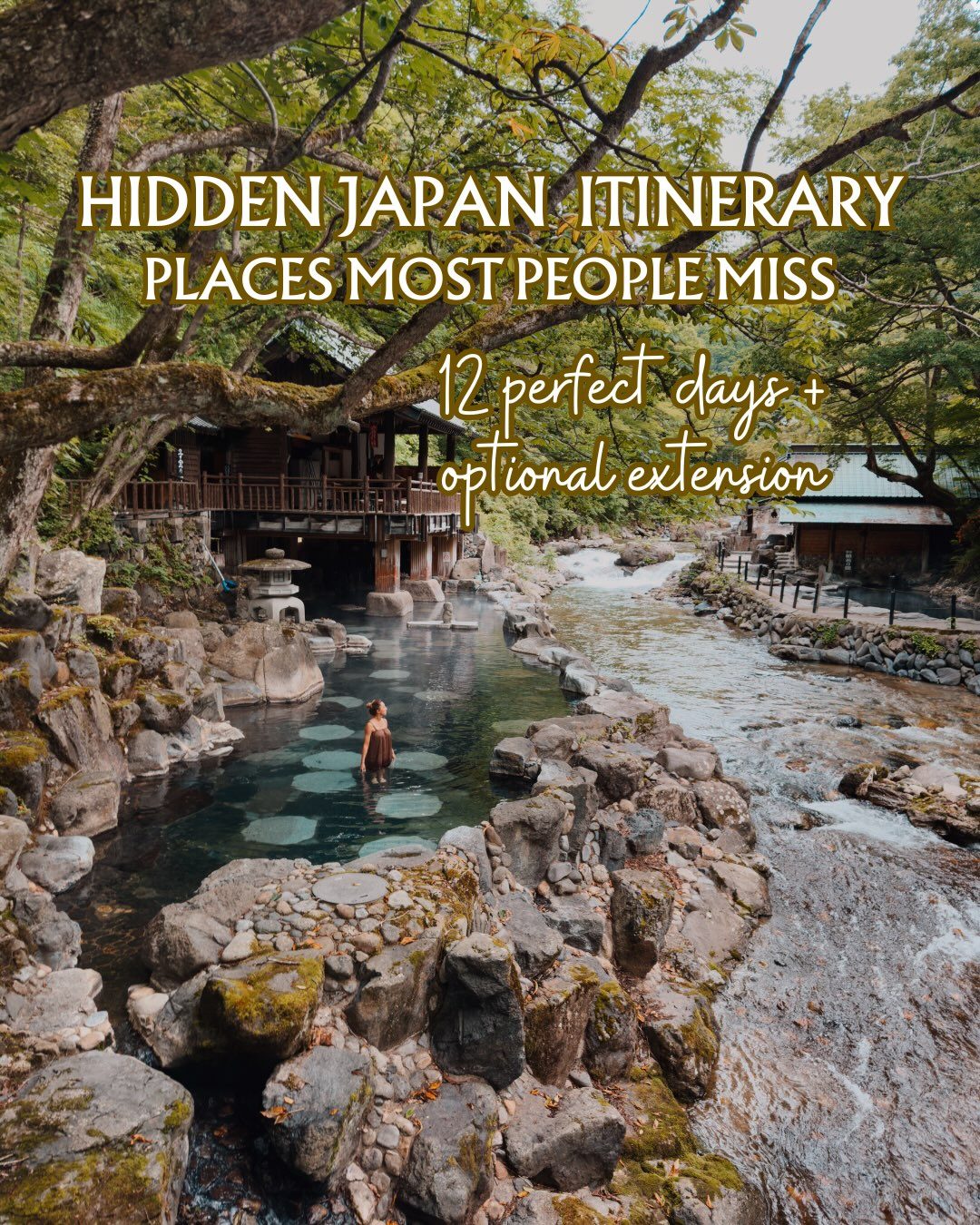
Hidden Japan Itinerary
Japan is a destination that offers a unique blend of modernity and tradition, making it a favorite among travelers. The typical itinerary often includes major cities like Tokyo, Kyoto, and Osaka, but there's a more nuanced way to experience Japan. This itinerary, inspired by five visits to the country, balances bustling city life with quieter, slower-paced locations, avoiding the overwhelming feeling of moving constantly from one crowded place to another.
Why This Matters
Many first-time visitors to Japan follow a similar pattern: landing at Narita, rushing straight into Tokyo, spending a few days in Kyoto, and finishing in Osaka. While this route covers the highlights, it can feel rushed and overwhelming. By incorporating quieter, less-traveled areas, travelers can experience the softer side of Japan, making the trip more enjoyable and less exhausting. This itinerary emphasizes the importance of choosing bases carefully and adding quieter places between the big cities.
Main Discussion
Starting in Chiba
Instead of rushing straight into Tokyo, start your journey in Chiba, particularly the Narita area. Located just an hour by train from Tokyo, Chiba offers a gentle introduction to Japan with its serene temples, old streets, and local food. This quiet start helps ease the transition from the jet lag to the hustle and bustle of Tokyo.
Tokyo: Balancing Modernity and Tradition
After a few nights in Chiba, head to Tokyo and stay in the Ueno or Asakusa area. This part of the city offers apartment-style accommodations and easy access to major attractions like Ueno Park, Asakusa, and the Ginza Line. Explore old Tokyo streets in Yanaka, visit the historic Nezu Shrine, and stroll down the bustling Ameyoko Shopping Street. For a dose of modernity, experience the iconic Shibuya Crossing and the youth culture of Harajuku, where you can also visit the serene Meiji Shrine. Don't miss the surreal digital art at TeamLab or the panoramic views from the Tokyo Skytree. Consider a day trip to Mt. Takao for a nature escape or Kawagoe for a glimpse into Japan's historic past.
Minakami: A Mountain Escape
After the vibrant energy of Tokyo, head to Minakami for a much-needed reset. This mountain town is known for its onsen (hot springs) and stunning scenery, providing a tranquil retreat before heading to Kyoto. The calm and rejuvenation offered by Minakami make it an ideal stop for unwinding and enjoying nature.
Northern Kyoto: Quieter, Slower Kyoto
Instead of staying in the crowded heart of Kyoto, base yourself in the northern area, around Takaragaike. This quieter side of the city offers a more peaceful experience while still providing easy access to major attractions. Explore the scenic Ohara area, hike up to Mt. Hiei for panoramic views, and visit the numerous temples that dot the northern part of Kyoto. This approach allows you to experience Kyoto without the overwhelming crowds and noise.
Finishing in Osaka
End your journey in Osaka, a city known for its vibrant food scene and lively nightlife. Osaka's easy accessibility makes it an excellent final base, with numerous day trip options. Whether you're exploring the bustling Dotonbori area, indulging in local street food, or visiting attractions like Osaka Castle, the city offers a mix of urban energy and cultural experiences.
Practical Tips
- Plan Your Stays Wisely: Choose accommodations that offer easy access to major attractions and a mix of modern and traditional experiences.
- Explore Beyond the Crowds: Incorporate quieter, less-traveled areas into your itinerary to enjoy a more relaxed pace and avoid feeling overwhelmed.
- Use Mountain or Onsen Towns as Reset Points: Spend a few nights in places like Minakami to recharge and enjoy nature.
- Stay in Northern Kyoto: For a quieter, slower Kyoto experience, choose accommodations in the northern part of the city.
- Finish in Osaka: Enjoy the vibrant energy, food, and easy accessibility of Osaka for your final days.
Important Takeaways
The best itinerary for Japan is one that balances the must-see cities with quieter, slower-paced locations. Choosing your bases carefully and incorporating quieter places between the big cities can create a more enjoyable and less overwhelming trip. Chiba offers a gentle start, Tokyo provides a mix of modernity and tradition, Minakami serves as a rejuvenating retreat, northern Kyoto offers a peaceful alternative to the crowded heart of the city, and Osaka provides a lively conclusion.
Conclusion
This itinerary, designed for those who want to experience the best of Japan without feeling overwhelmed, offers a balanced mix of cultural experiences, urban exploration, and natural beauty. By incorporating quieter, slower-paced locations and choosing accommodations that offer a blend of modern and traditional experiences, travelers can enjoy a more nuanced and enjoyable journey through Japan.
Watch the Reel
Questions readers ask
Which areas of Tokyo offer a quieter, more local experience?
Tokyo has several quieter areas that offer a more local experience. Ueno and Asakusa are two such areas. They are home to beautiful temples, serene parks, and local eateries that provide an immersive experience of Japan outside of Tokyo's bustling city center. The streets here are quieter and less crowded, allowing for a more relaxed atmosphere.
Why should I consider adding Chiba to my Japan itinerary?
Including Chiba in your Japan itinerary offers a unique blend of traditional and modern experiences. Chiba is home to serene temples and beautiful landscapes, providing a calm and enriching environment. The local food scene in Chiba is also very prominent and offers a taste of authentic Japanese cuisine.
How do I travel from Narita to Tokyo and then onward to Chiba?
The most convenient way to travel from Narita to Tokyo is via the Narita Express, a direct train service from the airport to central Tokyo. From Tokyo, you can take the JR Sobu Line or the Keiyu Line to Chiba, which takes approximately 30 to 40 minutes. For the most seamless travel, consider purchasing a Japan Rail Pass, which can cover multiple train journeys and save you money.
What are some hidden gems to explore in the Tokyo to Osaka route?
For those looking to explore lesser-known areas, consider the cities of Himeji and Nara. Himeji is home to the stunning Himeji Castle, a UNESCO World Heritage site, while Nara offers a serene experience with its ancient temples and friendly deer in Nara Park. Both cities are easily accessible from the main Tokyo to Osaka itinerary.
Which quiet and local areas are recommended for cultural immersion in Japan?
For a deeper cultural experience, visit places like Chiba and the quieter districts of Tokyo. These areas offer a unique blend of traditional and modern Japan, with serene temples, local food markets, and quieter streets. They provide a more immersive experience of Japanese culture, away from the crowded tourist hotspots.
How does a 12-day Japan itinerary compare to a typical 7-day trip?
A 12-day itinerary allows for a more balanced and immersive experience. With 12 days, you have more time to explore both the popular spots and the quieter, less-traveled areas. This will give you a deeper understanding of Japan's diverse landscapes, rich culture, and quieter local life, while a 7-day trip might feel rushed, focusing more on major landmarks and missing out on hidden gems.
Related deep dives
Similar reads based on topic and creator.




Recent articles
Fresh deep dives from the latest Reels we unpacked.




Comments
Be the first to comment.