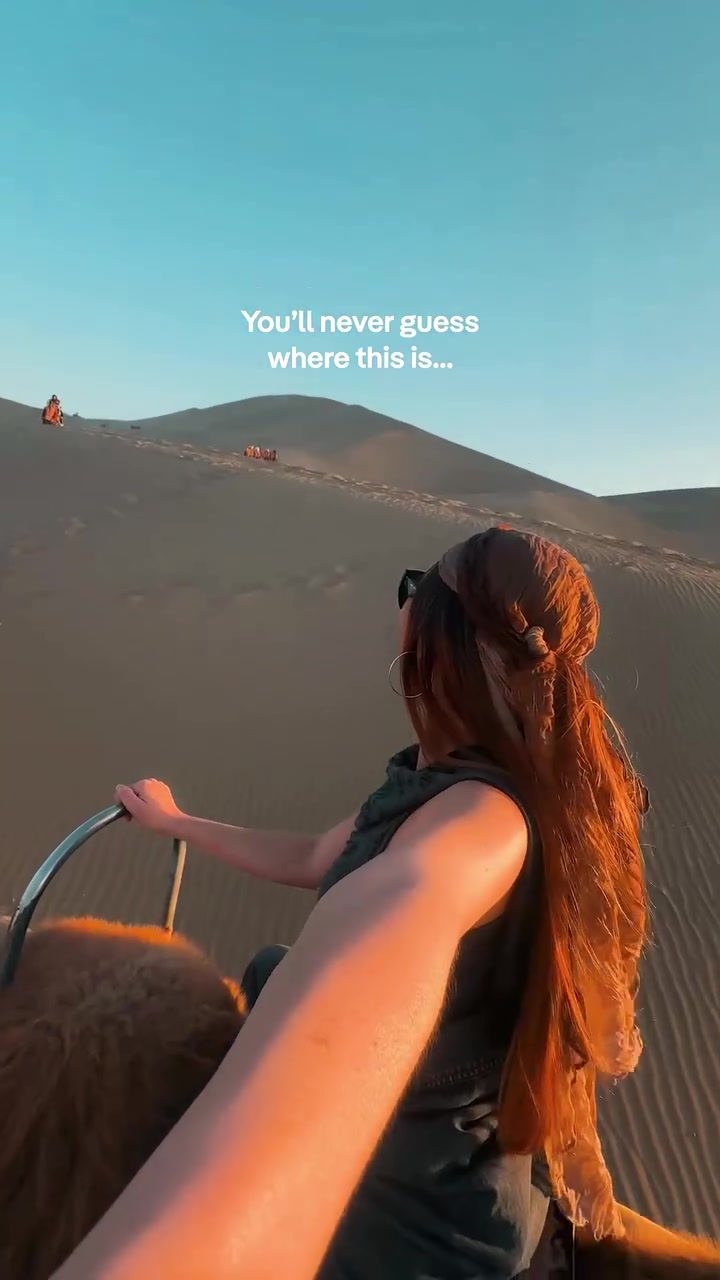
Dunhuang, China: A Hidden Desert Oasis
Nestled in the Gansu Province of China, Dunhuang is a city that seamlessly blends the allure of the desert with a rich tapestry of ancient history and cultural significance. This remote oasis, situated on the edge of the Gobi Desert, is a place where rolling golden sand dunes meet one of Asia's oldest cultural crossroads. Dunhuang has been a vital stop on the ancient Silk Road, serving as a meeting point for traders, monks, and wanderers for over 2,000 years.
Why This Matters
Dunhuang is often overlooked in favor of more famous destinations, but it offers a unique blend of natural beauty and historical depth that makes it a must-visit for travelers seeking something off the beaten path. The city's combination of desert landscapes and ancient cultural sites provides a glimpse into China's rich past and the enduring legacy of the Silk Road.
Dunhuang: A Gateway to the Silk Road
The Mingsha Sand Dunes
One of the most iconic attractions in Dunhuang is the Mingsha (Singing) Sand Dunes. These dunes are famous for the gentle humming sound they produce as the wind sweeps across their ridges. This natural phenomenon adds a mystical element to the already awe-inspiring landscape. At the heart of these dunes lies the Crescent Lake Oasis, a stunning blue pool surrounded by towering sand formations, offering a serene oasis in the middle of the desert.
The sight of the crescent-shaped lake nestled among the dunes is a breathtaking contrast to the vast, golden expanse of the desert. The lake's waters shimmer in the sunlight, creating a tranquil haven that invites visitors to pause and take in the beauty of this natural wonder.
The Mogao Caves
Beyond the desert, Dunhuang is home to another treasure: the Mogao Caves. These caves, located near the city, hold thousands of ancient Buddhist murals and sculptures. Carved into the cliffs, the Mogao Caves are a treasure trove of art and history, offering a unique window into the religious and cultural practices of ancient China.
The caves are a UNESCO World Heritage Site, recognized for their historical significance and artistic beauty. The intricate murals and sculptures within the caves depict stories from Buddhist scriptures, providing a vivid narrative of the region's spiritual heritage. Exploring the Mogao Caves is like stepping back in time, immersing yourself in the rich history and artistic legacy of Dunhuang.
The Silk Road Legacy
Dunhuang's strategic location along the Silk Road has made it a melting pot of cultures and religions. Traders, monks, and adventurers from various parts of Asia and beyond passed through this oasis town, leaving behind a rich cultural tapestry. The city's historical significance is evident in its architecture and artifacts, which reflect the diverse influences that shaped Dunhuang over the centuries.
Walking through Dunhuang, one can still feel the echoes of the bustling trade routes and the cultural exchanges that took place here. The city's historic buildings and artifacts tell the story of a place that has been a crossroads of civilizations for thousands of years.
Practical Tips for Visiting Dunhuang
When to Visit
The best time to visit Dunhuang is during the spring (April to May) or fall (September to October) when the weather is mild and comfortable for outdoor activities. Summer can be extremely hot, while winter can be quite cold, making these transitional seasons ideal for exploration.
Getting Around
Dunhuang is accessible by air and train, with flights and trains connecting the city to major destinations in China. Once in Dunhuang, public transportation, including buses and taxis, is readily available. For a more immersive experience, consider renting a bicycle or a camel to explore the dunes and nearby attractions at your own pace.
Must-See Attractions
In addition to the Mingsha Sand Dunes and the Mogao Caves, Dunhuang offers a variety of other attractions:
- Yueyaquan Scenic Area: This area is home to the famous Crescent Moon Lake and the Echoing Sand Mountain, providing a picturesque backdrop for photography and leisurely walks.
- Dunhuang Museum: For those interested in history and archaeology, this museum houses a collection of artifacts and exhibits that showcase the city's rich cultural heritage.
- Dunhuang Night Market: Experience the local flavors and vibrant atmosphere of Dunhuang's night market, where you can sample traditional snacks and shop for local handicrafts.
Important Takeaways
Dunhuang, China, is a hidden gem that offers a unique blend of natural beauty and historical significance. From the awe-inspiring Mingsha Sand Dunes and the serene Crescent Lake Oasis to the culturally rich Mogao Caves, Dunhuang provides a wealth of experiences for travelers seeking something beyond the ordinary. The city's legacy as a vital stop on the Silk Road adds an extra layer of intrigue, making it a destination that truly stands out.
Conclusion
Dunhuang is a testament to the enduring allure of the desert and the timeless beauty of ancient cultural sites. Whether you are a history enthusiast, an adventure seeker, or simply someone looking to experience the uniqueness of a lesser-known destination, Dunhuang promises an unforgettable journey. So, pack your bags and get ready to explore the wonders of this remarkable city, where the past and present seamlessly intertwine.
Watch the Reel
Questions readers ask
What are the Mingsha Sand Dunes and why are they notable?
The Mingsha Sand Dunes, also known as the Singing Sand Dunes, are a vast expanse of golden sand located near Dunhuang. They are notable for the unique phenomenon where the sand produces a musical hum when disturbed by the wind or human activity. These dunes offer a thrilling desert adventure, with activities like sand sliding and camel riding.
What are the Mogao Caves and their significance in Dunhuang?
The Mogao Caves are a series of nearly 500 Buddhist cave temples dating back to the 4th century, showcasing stunning murals and sculptures. They are a UNESCO World Heritage site. These caves are a treasure trove of historical and cultural significance, providing insights into the ancient Silk Road's role in facilitating cultural exchange between East and West.
When is the best time to visit Dunhuang?
The best time to visit Dunhuang is during the spring (April to May) or autumn (September to October) when the weather is mild and pleasant. Summers can be extremely hot, while winters are cold and dry, so these off-peak seasons offer a more comfortable climate for exploring the desert and historical sites.
What are some tips for traveling to Dunhuang?
It's essential to stay hydrated and protect your skin from the sun, especially when venturing into the desert. Comfortable walking shoes, a hat, and sunscreen are must-haves. Also, consider hiring a local guide for a deeper understanding of the region's history and culture, and to help navigate the best spots for your visit.
How has the Silk Road shaped Dunhuang's cultural heritage?
Dunhuang's strategic location along the Silk Road has made it a melting pot of cultures for over 2,000 years. This historic trade route facilitated the exchange of goods, ideas, and religions, enriching Dunhuang's cultural heritage. This influence can be seen in the city's diverse architecture and the art found in the Mogao Caves, which blend Chinese, Indian, and Western artistic traditions.
What desert adventure activities can be enjoyed in Dunhuang?
Dunhuang offers a range of exhilarating desert adventures, including sandboarding down the Mingsha Sand Dunes, camel rides, and even overnight camping under the stars. For a more unique experience, consider taking a 4x4 tour or a horseback ride through the vast sand expanses.
How can I explore the ancient history of Dunhuang?
To delve into Dunhuang's ancient history, visit the Mogao Caves and the Dunhuang Museum. The museum houses a vast collection of artifacts discovered in the caves and the surrounding area, offering a comprehensive look at the region's past. Additionally, exploring the historic sites along the Silk Road, such as the Yumen Pass and Yangguan Pass, provides further insight into Dunhuang's role in ancient trade routes.
Related deep dives
Similar reads based on topic and creator.



Recent articles
Fresh deep dives from the latest Reels we unpacked.




Comments
Be the first to comment.