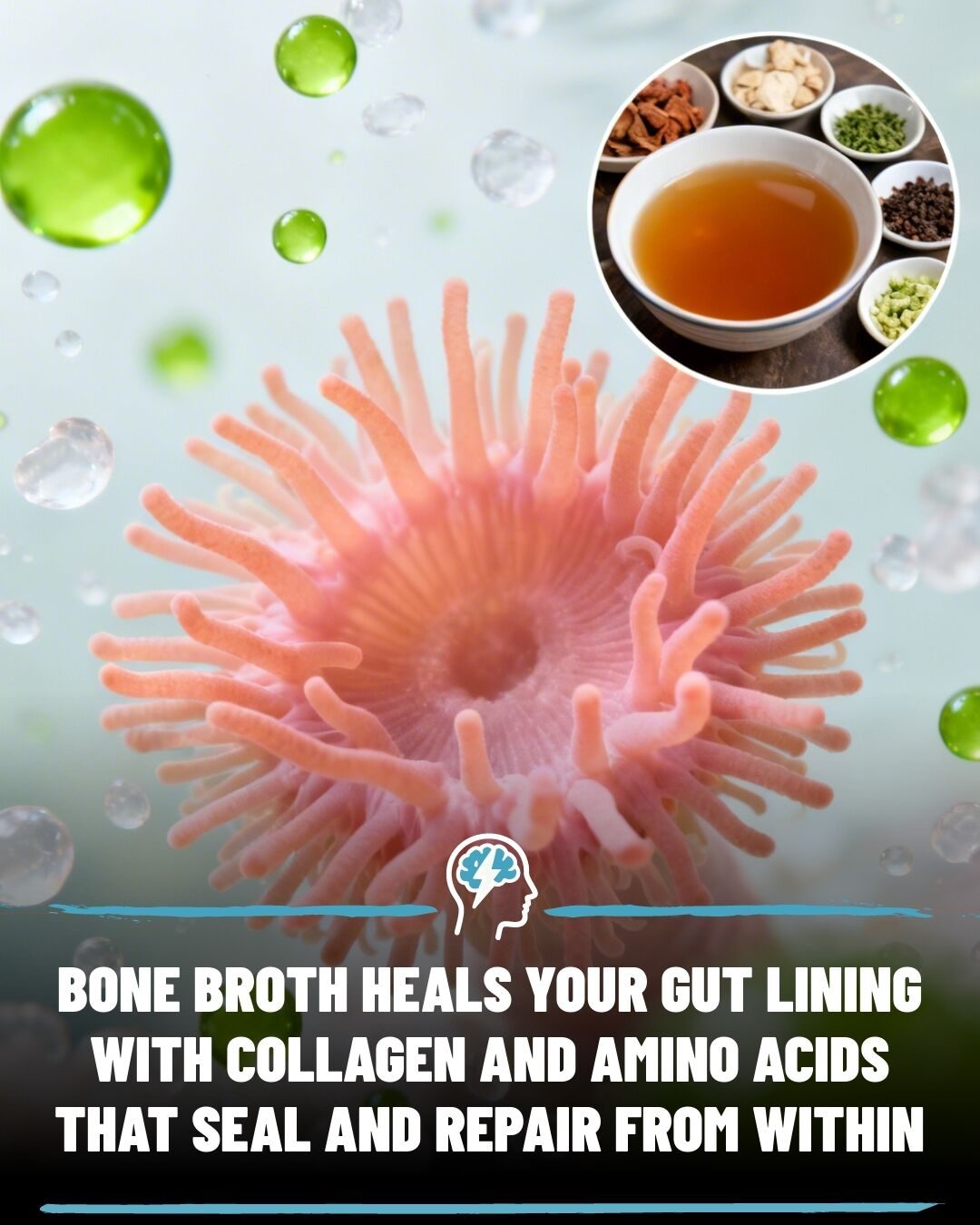
Bone Broth Benefits
Bone broth has long been a staple in traditional cuisines around the world, often praised for its nourishing properties. Recent research suggests that bone broth can support gut health and reduce intestinal inflammation, making it a valuable addition to a balanced diet.
Why this Matters
Gut health is a critical component of overall well-being. The lining of the gut acts as a barrier, protecting the body from harmful substances while allowing essential nutrients to pass through. When this barrier is compromised, it can lead to a condition known as "leaky gut," where toxins and partially digested food particles enter the bloodstream, triggering inflammation and other health issues.
Bone broth, with its rich content of collagen, gelatin, and amino acids, may offer a natural way to support gut health and reduce inflammation. Understanding how bone broth works can help individuals make informed decisions about incorporating it into their diets.
Key Benefits of Bone Broth
Collagen and Gelatin
Bone broth is particularly rich in collagen and gelatin, two nutrients that play a significant role in gut health. Collagen is a protein found in connective tissues, including the gut lining. When bones and connective tissues simmer for extended periods, collagen breaks down into gelatin, a form that is easier for the body to absorb.
Gelatin is known for its ability to help seal and repair the mucosal lining of the gut, potentially reducing intestinal permeability. This can be particularly beneficial for individuals dealing with conditions like leaky gut syndrome, where the gut lining is compromised.
Amino Acids
Bone broth also contains a variety of amino acids, including glutamine, glycine, and arginine. These amino acids have specific roles in supporting gut health:
- Glutamine: Essential for maintaining the structure and function of intestinal cells. It serves as a primary energy source for these cells, helping to repair and regenerate the gut lining.
- Glycine and Arginine: Both have anti-inflammatory properties. Glycine helps regulate immune responses and reduce inflammation in the gut, while arginine supports the production of nitric oxide, which aids in improving blood flow and reducing inflammation.
Anti-Inflammatory Properties
The combination of gelatin and these amino acids in bone broth makes it a potent anti-inflammatory agent. By reducing inflammation in the gut, bone broth can help alleviate symptoms associated with intestinal issues, such as bloating, abdominal pain, and diarrhea. This makes it a valuable tool for managing digestive disorders and promoting overall gut health.
Practical Tips for Making and Using Bone Broth
Making bone broth at home is straightforward and cost-effective. Here are some practical tips to get you started:
Ingredients and Preparation
To make bone broth, you will need:
- Bones (beef, chicken, pork, or fish)
- Vegetables (carrots, celery, onions)
- Herbs and spices (bay leaves, thyme, peppercorns, garlic)
Step-by-Step Instructions
- Roast the Bones: Preheat your oven to 400°F (200°C) and roast the bones for about 30 minutes to enhance the flavor. This step is optional but adds depth to the broth.
- Sauté the Vegetables: In a large pot, sauté diced onions, carrots, and celery until softened.
- Add Bones and Water: Place the roasted bones in the pot with the sautéed vegetables. Cover with water, ensuring the bones are fully submerged.
- Add Herbs and Spices: Throw in bay leaves, thyme, peppercorns, and garlic cloves for added flavor.
- Simmer: Bring the water to a boil, then reduce the heat and let it simmer for at least 12 hours. For chicken and pork bones, 12-24 hours is ideal. Beef bones can simmer for up to 48 hours. The longer the simmering time, the more collagen and gelatin are extracted.
- Strain and Cool: Once done, strain the broth through a fine-mesh sieve to remove solids. Let it cool before storing in the refrigerator or freezer.
Incorporating Bone Broth into Your Diet
Bone broth can be consumed on its own as a warming beverage, or it can be used as a base for soups, stews, and sauces. It can also be incorporated into smoothies, snack recipes, or even enjoyed in a sipping cup with a sprinkle of spices. The versatility of bone broth makes it easy to include in various meals and snacks.
Important Takeaways
Bone broth offers a range of benefits for gut health, thanks to its rich content of collagen, gelatin, and amino acids. These nutrients work together to support the gut lining, reduce inflammation, and promote overall digestive wellness.
Conclusion
While bone broth is not a magic cure for digestive issues, it can be a valuable addition to a balanced diet, especially for those looking to support their gut health naturally. Traditional foods like bone broth often have a scientific basis for their perceived health benefits, making them worth considering for their nutritional value. Incorporating bone broth into your diet can be a delicious and nourishing way to support your overall well-being.
Watch the Reel
Questions readers ask
What is bone broth and how is it made?
Bone broth is a nutrient-rich liquid made by simmering animal bones, along with vegetables, herbs, and spices, for an extended period. The slow cooking process extracts collagen, gelatin, and amino acids from the bones, creating a nourishing and flavorful broth. The recipe can vary, but it typically requires a large pot and a long cooking time to maximize the extraction of beneficial compounds from the bones.
How does bone broth support gut health?
Bone broth supports gut health by providing collagen and gelatin, which can help repair and strengthen the gut lining. The amino acids in bone broth, such as glycine and proline, have anti-inflammatory properties that may reduce intestinal inflammation and support overall gut function. Additionally, bone broth is easy to digest, making it a gentle option for those with compromised gut health.
What are the benefits of collagen in bone broth?
Collagen in bone broth can help improve gut health by sealing gaps in the intestinal lining, which may contribute to reducing inflammation and supporting the body's ability to absorb and digest nutrients. It also supports joint health, improves skin elasticity, and promotes wound healing. The collagen in bone broth is a valuable source of this essential protein, which our bodies produce less of as we age, but it is difficult to consume in modern diets.
Can bone broth help with leaky gut syndrome?
Bone broth may help with leaky gut syndrome by providing nutrients that support the regeneration of the gut lining. The gelatin and collagen in bone broth can help seal the gaps in the intestinal barrier, reducing the passage of toxins and undigested food particles into the bloodstream. By promoting a healthy gut barrier, bone broth may help alleviate symptoms associated with leaky gut, such as inflammation and digestive issues.
What are the best sources of gelatin in bone broth?
The best sources of gelatin in bone broth come from the connective tissues, cartilage, and bones of animals, such as beef, chicken, and fish. These tissues are rich in collagen, which converts to gelatin during the long, slow cooking process. To maximize the gelatin content in your bone broth, it's essential to include these connective tissues and bones in your recipe and to cook the broth for an extended period, ideally 12-24 hours, to allow the gelatin to fully extract from the bones.
Is bone broth a good option for those with digestive issues?
Bone broth can be an excellent option for those with digestive issues due to its soothing and nourishing properties. The amino acids in bone broth, such as glycine and L-glutamine, may help reduce inflammation and support the gut lining. Additionally, bone broth is easy to digest, making it a gentle option for those with sensitive stomachs or digestive disorders, including irritable bowel syndrome (IBS) and inflammatory bowel disease (IBD).
How can I incorporate bone broth into my daily routine?
Bone broth can be easily incorporated into your daily routine in various ways. You can drink it as a warm, soothing beverage, use it as a base for soups, stews, and sauces, or as an alternative to water when cooking grains like rice or quinoa. For convenience, you can make a large batch of bone broth and freeze it in smaller portions, allowing you to thaw and use it as needed throughout the week.
Related deep dives
Similar reads based on topic and creator.




Recent articles
Fresh deep dives from the latest Reels we unpacked.




Comments
Be the first to comment.