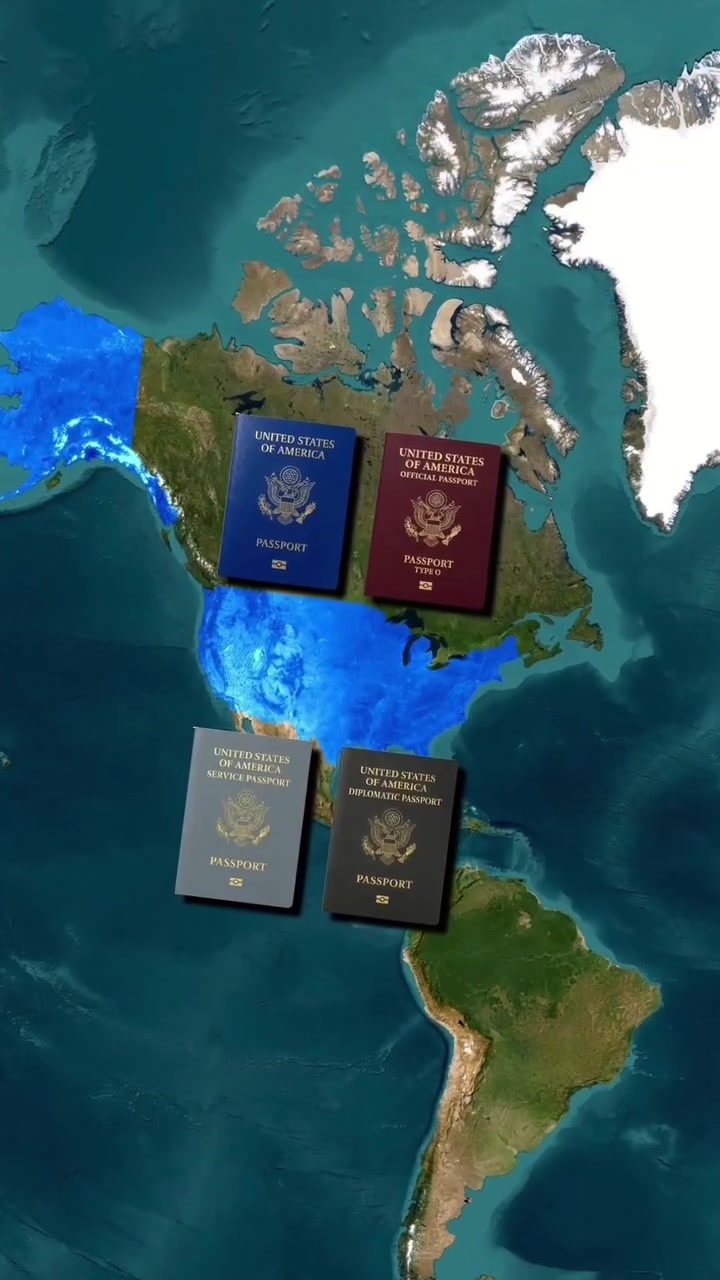
United States Passports: A Closer Look
Passports are essential documents that facilitate international travel and establish a person's identity and nationality. United States passports, in particular, come in several types, each serving distinct purposes and issued to different groups of individuals. Here's a comprehensive look at the different types of U.S. passports, their uses, and the populations they serve.
Context
Understanding the various types of U.S. passports is crucial for anyone planning international travel, especially those who may be traveling for purposes beyond standard vacations or personal trips. Each type of passport comes with specific benefits and limitations, making it essential to know which one to apply for based on your travel needs.
Types of U.S. Passports
There are four main types of U.S. passports: the blue passport, the maroon passport, the black passport, and the service passport. Here's a detailed look at each.
Blue Passport
The blue passport, officially known as the Regular Passport, is the most common type of passport issued by the United States. This passport is intended for U.S. citizens traveling for personal purposes, including vacations, business trips, study abroad, and personal travel. It is widely recognized and accepted for entry into most countries.
Maroon Passport
The maroon passport, officially known as the Official Passport, is issued to U.S. government employees and, in special cases, to certain government contractors and personnel. This passport is intended for individuals traveling abroad on official government business. It is important to note that this passport cannot be used for personal travel; it is strictly for official purposes.
Black Passport
The black passport, officially known as the Diplomatic Passport, is the most exclusive and prestigious. This passport is issued only to U.S. diplomats, ambassadors, and high-ranking government officials representing the United States on official diplomatic missions. The black passport provides special privileges and immunities to its holders, including diplomatic immunity while traveling on official assignments. This passport is not for personal use and is intended solely for diplomatic travel.
Service Passport
The service passport, also known as the "TYPE O" passport, is issued to individuals who are traveling abroad on behalf of the U.S. government but are not on official diplomatic missions. This includes individuals such as government contractors, U.S. military personnel, and other government employees who are not eligible for a diplomatic passport. This passport is intended for official travel and cannot be used for personal purposes.
Practical Tips
When applying for a U.S. passport, it is essential to choose the correct type based on your travel needs. Here are some practical tips to help you navigate the process:
- Choose the Right Passport: Ensure you select the correct passport type based on your travel purpose. For example, if you are a government employee traveling on official business, you will need an Official Passport (maroon).
- Gather Required Documents: Depending on the type of passport, you may need different documents. For example, a Diplomatic Passport requires proof of your diplomatic status and a letter of authorization from the U.S. Department of State.
- Apply in Advance: Apply for your passport well in advance of your travel date to allow for processing time. Expedited processing is available for an additional fee if you need your passport quickly.
- Understand the Limitations: Each type of passport has specific limitations and privileges. Make sure you understand the rules and regulations associated with your passport type to avoid any issues during your travels.
Important Takeaways
Understanding the different types of U.S. passports and their respective uses is crucial for anyone planning international travel, especially for those who may be traveling for purposes beyond standard vacations or personal trips.
- Blue Passport: For U.S. citizens traveling for personal purposes, including vacations, business trips, study abroad, and personal travel.
- Maroon Passport: For U.S. government employees and certain contractors traveling on official government business.
- Black Passport: For U.S. diplomats, ambassadors, and high-ranking government officials on official diplomatic missions.
- Service Passport: For individuals traveling on behalf of the U.S. government but not on official diplomatic missions.
Conclusion
The United States issues various types of passports, each with specific purposes and benefits. From the standard blue passport for personal travel to the prestigious black passport for diplomatic missions, understanding the differences and choosing the right one is crucial for a hassle-free travel experience.
Watch the Reel
Questions readers ask
What are the four main types of U.S. passports and who are they issued to?
The four main types of U.S. passports are the standard blue passport, the official passport, the diplomatic passport, and the special diplomatic passport. The standard blue passport is issued to U.S. citizens for personal travel. The official passport is for U.S. government employees traveling abroad on official business. The diplomatic passport is for high-ranking government officials and their immediate family members. The special diplomatic passport is for individuals who meet specific criteria, such as being a U.S. government official on special assignment and may be traveling to countries that do not recognize the official passport.
How does a diplomatic passport differ from an official passport in the United States?
A diplomatic passport is issued to high-ranking government officials, their immediate family members, and other individuals who are entitled to diplomatic immunity. In contrast, an official passport is issued to U.S. government employees traveling abroad on official business. Diplomatic passports offer higher privileges and protections due to diplomatic immunity.
Can a U.S. citizen apply for a diplomatic passport for personal travel?
No, a U.S. citizen cannot apply for a diplomatic passport for personal travel. Diplomatic passports are strictly for high-ranking government officials, their immediate family members, and other individuals who meet specific criteria. For personal travel, a U.S. citizen should apply for the standard blue passport.
What is the purpose of an official passport in the United States?
An official passport is used for U.S. government employees who need to travel abroad on official business. It is used to facilitate travel, establish identity and nationality, and provide a form of identification that can help facilitate entry into foreign countries.
How can I determine which type of U.S. passport I need for my travel plans?
To determine which type of U.S. passport you need, consider the purpose of your travel. If you are a U.S. citizen traveling for personal reasons, you will need the standard blue passport. If you are a government employee traveling for official business, you will need an official passport. If you are a high-ranking government official or their immediate family member, you may qualify for a diplomatic passport. For specific cases, such as traveling to countries that do not recognize the official passport, a special diplomatic passport may be required.
What are the benefits of having a diplomatic passport?
A diplomatic passport offers several benefits, including diplomatic immunity, which can provide protection in certain situations. It also allows for expedited processing at border control and entry points. Additionally, holders of a diplomatic passport may receive special treatment and are often exempt from certain taxes and fees.
What should I do if I lose my U.S. passport while traveling abroad?
If you lose your U.S. passport while traveling abroad, contact the nearest U.S. Embassy or Consulate immediately. You will need to report the loss and apply for a replacement passport. Be prepared to provide identification and any relevant documentation to facilitate the process. It is also recommended to keep a copy of your passport in a secure location separate from the original for emergency situations.
Related deep dives
Similar reads based on topic and creator.




Recent articles
Fresh deep dives from the latest Reels we unpacked.




Comments
Be the first to comment.