Gynandromorph Spiders: Nature's Rare Biological Split
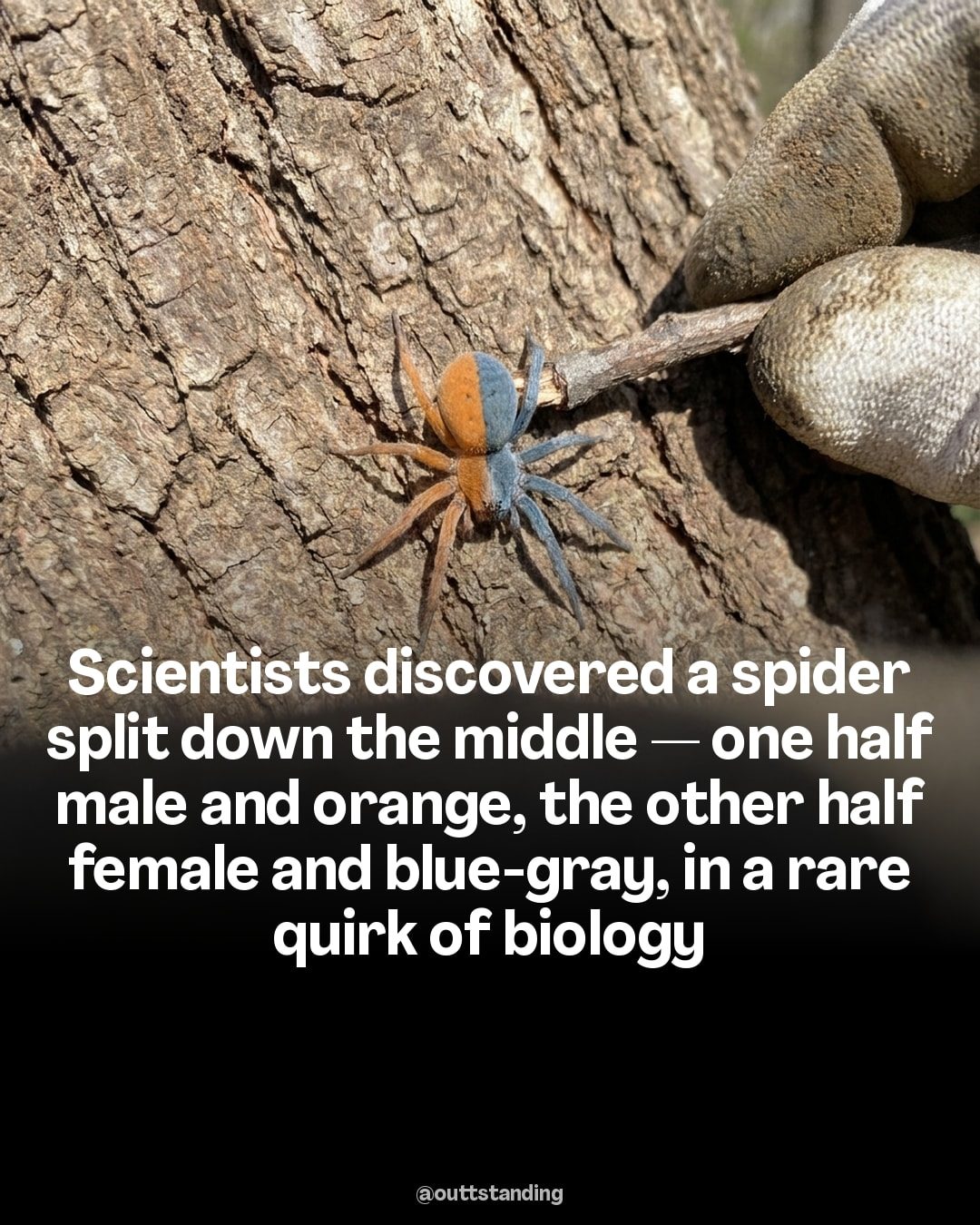
The recent discovery of a tiny spider with a unique biological characteristic has captivated scientists and nature enthusiasts alike. This arachnid is a perfect example of a gynandromorph, a rarity in the animal kingdom, with one half of its body distinctly male and the other half female. The male side boasts vibrant orange coloring, while the female side features a striking blue-gray hue. This isn't just a color difference; it's a complete anatomical split, with male reproductive parts on one side and female on the other.
Context / Why This Matters
Gynandromorphs, or bilaterally gynandromorphic organisms, are animals that display both male and female characteristics. These creatures are rare and offer valuable insights into the mysteries of animal development and genetics. The discovery of this spider provides a unique opportunity to study the mechanisms behind sexual differentiation and chromosomal inheritance.
Color, Anatomy, and Biology
The most striking feature of this spider is its coloration. The vibrant orange of the male side contrasts sharply with the blue-gray of the female side. This color difference is not just superficial; it reflects the underlying genetic and anatomical differences between the two halves of the spider's body. The male side possesses male reproductive organs, while the female side has female reproductive organs. This anatomical split is a result of the spider's genetic makeup, where each half of the body receives different sets of chromosomes, leading to the development of different sexes on each side.
Understanding Gynandromorphism
The phenomenon of gynandromorphism is not unique to spiders. It has been observed in various other arthropods, crustaceans, and even some vertebrates. However, finding a perfectly bilateral example like this spider is incredibly rare. In most cases, gynandromorphs exhibit a more mosaic-like pattern, with patches of male and female tissues scattered across the body. The spindle cell division that produces the two different sets of chromosomes in the eggs, followed by the fertilization of these eggs by sperm, creates a unique situation.
Biological Implications
The discovery of this gynandromorph spider has significant implications for our understanding of genetics and animal development. It offers a rare glimpse into the complexities of sexual differentiation and chromosomal inheritance. By studying this spider, scientists can gain insights into the mechanisms that control the development of male and female characteristics in animals. This knowledge can contribute to advancements in various fields, including evolutionary biology, developmental genetics, and even human medicine.
Practical Tips for Spotting Unique Animals
While spotting a gynandromorph spider is a rare occurrence, nature enthusiasts can increase their chances of discovering unique animals by following a few practical tips:
- Explore Diverse Habitats: Different habitats support a wide variety of species. Exploring forests, deserts, and wetlands can increase the likelihood of encountering rare and unique animals.
- Observe Closely: Many unique characteristics, like the split coloration of the gynandromorph spider, can be easily missed if not observed closely. Using a magnifying glass or a camera with a high zoom lens can help in identifying subtle details.
- Participate in Citizen Science Projects: Many organizations and research institutions conduct citizen science projects that involve the public in monitoring and documenting wildlife. Participating in these projects can provide opportunities to discover and report rare animals.
- Document Your Findings: Keeping a record of your observations, including photographs and detailed notes, can help in identifying and sharing your discoveries with the scientific community.
Important Takeaways
The discovery of the gynandromorph spider highlights several key points:
- Rarity and Uniqueness: Gynandromorphs are incredibly rare, making each discovery a unique and valuable find.
- Scientific Insights: Studying gynandromorphs can provide valuable insights into genetics, animal development, and evolutionary biology.
- Importance of Observation: Close observation and documentation are crucial for discovering and understanding unique biological phenomena.
Conclusion
The discovery of a spider with a perfect bilateral split, one half male and the other half female, underscores the remarkable diversity and complexity of the natural world. This unique finding offers a fascinating glimpse into the mysteries of animal development and genetics, highlighting the importance of observing and documenting the natural world. Whether you're a seasoned scientist or a curious nature enthusiast, the discovery of this gynandromorph spider serves as a reminder of the endless wonders that nature has to offer. By exploring diverse habitats, observing closely, and participating in citizen science projects, you too can contribute to the discovery and understanding of these extraordinary phenomena.
Watch the Reel
Questions readers ask
What exactly is a gynandromorph spider?
A gynandromorph spider is a fascinating rare spider that exhibits both male and female characteristics on different sides of its body. It has one male side and one female side, making it a unique example of nature's biological diversity.
How can a spider have two genders?
This phenomenon occurs due to genetic anomalies during the spider's development – the male and female genetic material split, resulting in two distinct biological sexes on one spider's body. This leads to a half and half split, with male and female anatomical features on either side of the spider.
Why is the discovery of a gynandromorph spider significant?
The discovery of a gynandromorph spider is significant because it provides scientists with a unique opportunity to study the genetic and anatomical differences between male and female spiders in a single organism. This can offer insights into the mechanisms of sex determination and development in spiders.
What are the notable features of the recently discovered gynandromorph spider?
The recently discovered gynandromorph spider is notable for its striking coloration. The male side of the spider is vibrant orange, while the female side is a striking blue-gray. Additionally, it possesses both male and female reproductive organs on either side, making it a bilateral gynandromorph.
Are there other animals that exhibit gynandromorphism?
Yes, while rare, gynandromorphism is not limited to spiders. Other animals, such as birds, crustaceans, and butterflies, have been observed to exhibit this unique biological characteristic. Each case offers a glimpse into the complex processes of sexual differentiation in the natural world.
How do scientists study gynandromorph spiders?
Scientists study gynandromorph spiders by examining their genetic makeup and anatomical features. They use microscopic and molecular techniques to determine how the split in characteristics occurs and to understand the underlying genetic mechanisms. This research can provide broader insights into the biology of spiders and other animals.
What can the discovery of a gynandromorph spider teach us about spider biology?
The discovery of a gynandromorph spider can teach us about the fundamental processes of sex determination and development in spiders. By studying this rare phenomenon, scientists can gain a deeper understanding of how genetic materials interact to produce distinct male and female traits, shedding light on the broader biology of spiders.
Related deep dives
Similar reads based on topic and creator.




Recent articles
Fresh deep dives from the latest Reels we unpacked.




Comments
Be the first to comment.