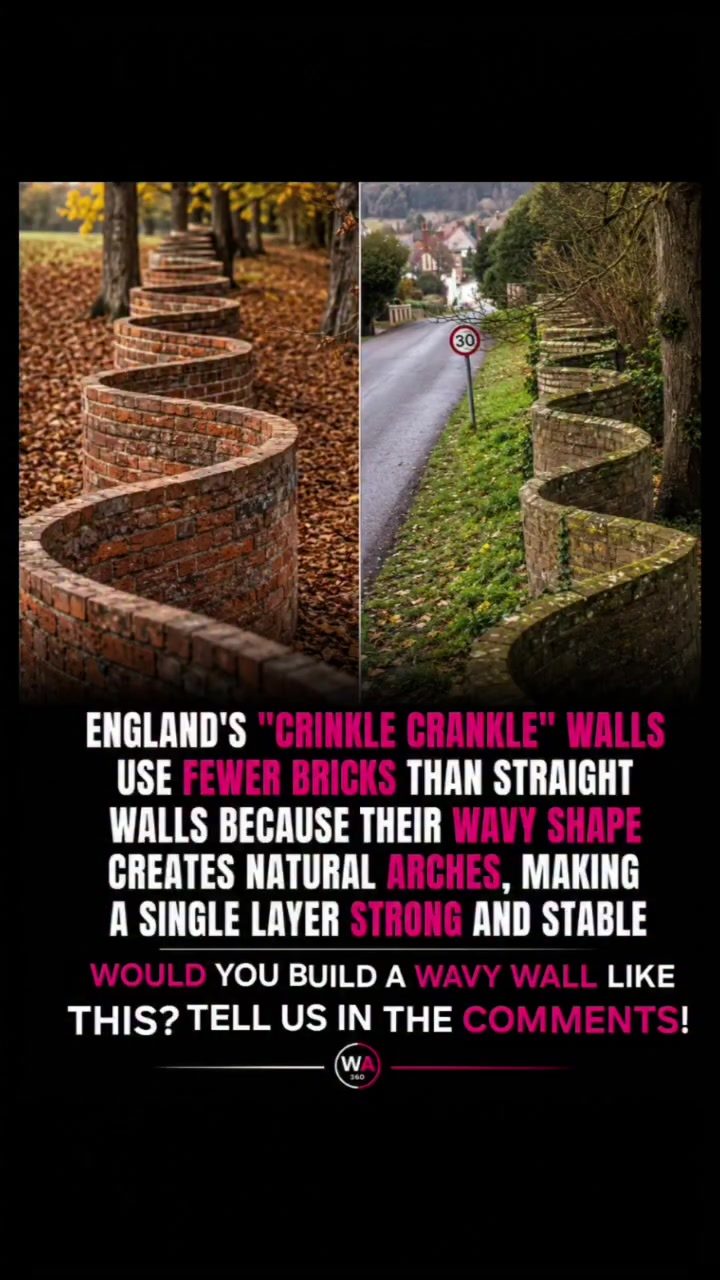
Crinkle Crankle Walls
Crinkle Crankle Walls, a distinctive architectural feature found in England, embody a blend of ingenious design and structural efficiency. These walls, characterized by their graceful, wavy patterns, have captivated attention for centuries, not just for their aesthetic appeal, but also for their practical advantages.
Why This Matters
Understanding the significance of Crinkle Crankle Walls goes beyond appreciating their unique appearance. These walls represent a clever engineering solution that optimizes the use of materials while maintaining structural integrity. In an era where sustainable and efficient construction methods are increasingly important, the principles behind Crinkle Crankle Walls offer valuable insights into alternative building techniques.
The Ingenious Design
The Wave Pattern
The most striking feature of Crinkle Crankle Walls is their wavy, curved design. This pattern is not merely an aesthetic choice; it serves a critical engineering purpose. The curves form natural arches, which distribute pressure more evenly across the wall. This natural arching effect allows a single-brick-thick wall to remain exceptionally stable, eliminating the need for extra layers of bricks.
Structural Efficiency
The wavy shape of Crinkle Crankle Walls is a testament to efficient design. By using fewer bricks, these walls reduce material costs without compromising on strength. The curved design distributes pressure more effectively, making the structure stable and durable. This method is a brilliant demonstration of how innovative design can outperform traditional construction techniques.
Historical Context
Crinkle Crankle Walls have a rich history in England, dating back centuries. This construction method has stood the test of time, proving its durability and effectiveness. The walls are often found in rural and coastal areas, where they have been used to define property boundaries, create garden features, and even support terraces. Their historical significance adds to their charm, making them a beloved architectural feature in many parts of the country.
Practical Applications
Cost Savings
One of the most compelling reasons to consider Crinkle Crankle Walls is their cost-effectiveness. By using fewer bricks, these walls reduce material costs significantly. This makes them an attractive option for both small-scale and large-scale construction projects, especially in areas where budget constraints are a concern.
Aesthetic Appeal
Beyond their structural benefits, Crinkle Crankle Walls are visually appealing. The wavy pattern adds a unique and charming element to any landscape. Whether used as a garden wall, a boundary marker, or a decorative feature, these walls can enhance the aesthetic value of a property.
Durability and Maintenance
The stability and durability of Crinkle Crankle Walls make them a practical choice for long-term use. The natural arching design ensures that the walls can withstand various weather conditions and external pressures. Additionally, the single-brick thickness makes maintenance easier and more cost-effective over time.
Practical Tips
Design Considerations
When planning to build a Crinkle Crankle Wall, it is essential to consider the specific requirements of your site. Factors such as soil type, weather conditions, and the intended use of the wall should be taken into account. Consulting with a structural engineer can help ensure that the design meets all necessary standards and regulations.
Material Selection
Choosing the right materials is crucial for the longevity and stability of a Crinkle Crankle Wall. High-quality bricks and mortar are essential to maintain the wall's integrity. Consider using locally sourced materials to reduce environmental impact and support local businesses.
Construction Techniques
Constructing a Crinkle Crankle Wall requires careful attention to detail. The curved shape needs to be accurately planned and executed to ensure the natural arching effect. Working with experienced masons who are familiar with this type of construction can help achieve the desired results.
Important Takeaways
Crinkle Crankle Walls offer a unique blend of structural stability, cost efficiency, and aesthetic appeal. Their wavy design not only reduces material costs but also creates a visually appealing feature that can enhance any landscape. The historical significance and durability of these walls make them a valuable addition to any construction project. Whether you are looking to build a new wall or restore an existing one, Crinkle Crankle Walls provide a smart and effective solution.
Conclusion
Crinkle Crankle Walls are more than just an architectural curiosity; they represent a smart and efficient approach to construction. By optimizing the use of materials and enhancing structural stability, these walls offer practical benefits that are hard to ignore. Whether you are a homeowner, a gardener, or a builder, considering the use of Crinkle Crankle Walls can provide a unique and effective solution to your construction needs. Embrace the ingenious design of these walls and enjoy the beauty and durability they bring to any project.
Watch the Reel
Questions readers ask
What are Crinkle Crankle Walls and where are they commonly found?
Crinkle Crankle Walls are a type of wavy brick wall design characterized by their zigzag or curved patterns. They are commonly found in rural and coastal regions of England, where they have been used for centuries in various buildings and landscapes, including gardens, farms, and vineyards.
What are the advantages of using Crinkle Crankle Walls in construction?
Crinkle Crankle Walls offer several advantages. Their distinctive design enhances stability and strength, allowing them to withstand the test of time. Additionally, the corkscrew shape requires fewer materials, making them a cost-effective and resource-efficient choice. They also provide good drainage, which is particularly useful in wet or coastal environments.
How do Crinkle Crankle Walls contribute to sustainable building practices?
By requiring fewer materials, Crinkle Crankle Walls help minimize waste and reduce the environmental impact of construction. Their durability ensures longevity, reducing the need for frequent repairs or replacements. Additionally, their efficient design can inspire modern architects to explore alternative, sustainable building techniques.
What is the historical significance of Crinkle Crankle Walls?
Crinkle Crankle Walls have a rich history in England, dating back to the 16th century. They were often used in agricultural settings to create boundaries and enclosures. Their enduring presence in the landscape serves as a testament to the ingenuity of traditional English builders and their ability to create functional, aesthetically pleasing structures.
Can Crinkle Crankle Walls be used in modern construction projects?
While Crinkle Crankle Walls are rooted in traditional design, their principles can be applied to modern construction. Architects and builders can incorporate similar wavy or curved patterns to enhance stability, reduce material use, and create visually interesting structures. This blend of old and new can result in unique, sustainable, and efficient building solutions.
Are there different styles or variations of Crinkle Crankle Walls?
Yes, there are variations in the design of Crinkle Crankle Walls. Some walls may have more pronounced curves, while others might have gentler waves. The specific pattern can depend on the region, the intended use, and the materials available. Additionally, some variations might incorporate different types of bricks or stones to create unique visual effects.
How are Crinkle Crankle Walls constructed?
Crinkle Crankle Walls are constructed by laying bricks or stones in a zigzag or curved pattern. This is typically done by hand, with each row offset from the previous one to create the distinctive wavy effect. The construction process requires skill and precision to ensure the wall's stability and structural integrity. The curved design helps distribute weight evenly, contributing to the wall's overall strength.
Related deep dives
Similar reads based on topic and creator.


Recent articles
Fresh deep dives from the latest Reels we unpacked.




Comments
Be the first to comment.