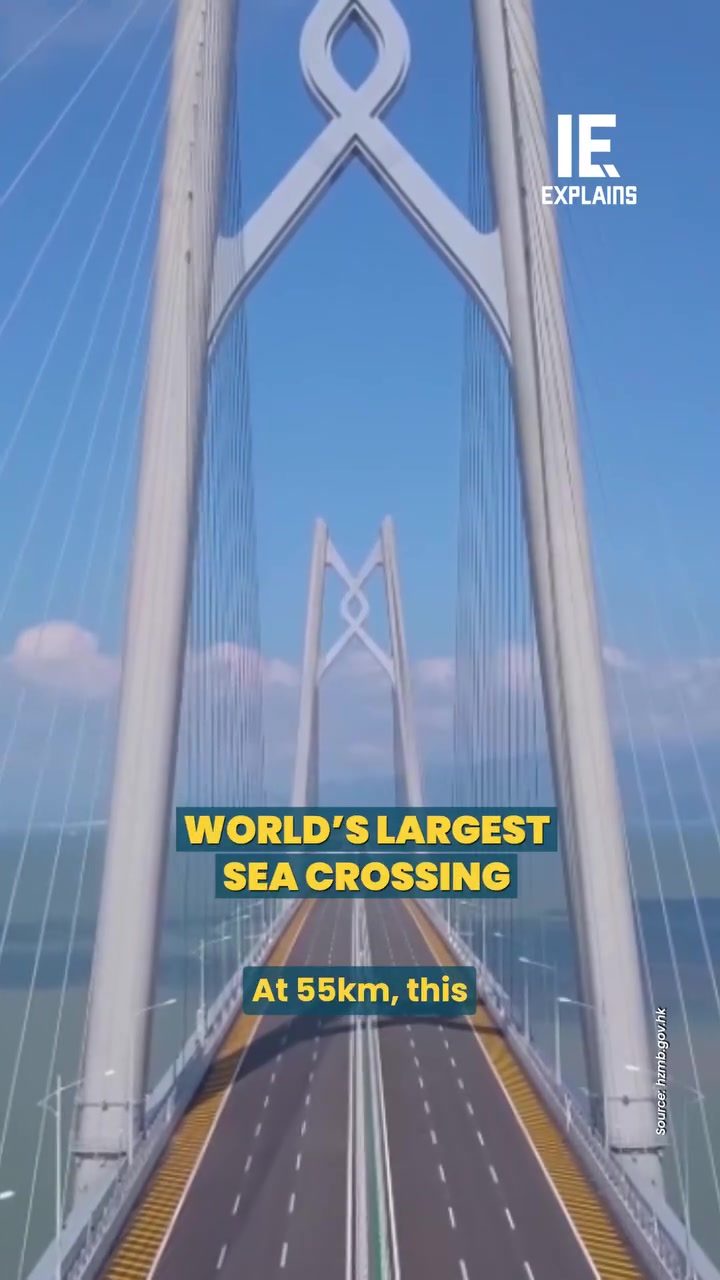
The Hong Kong-Zhuhai-Macau Bridge
The Hong Kong-Zhuhai-Macau Bridge (HKZMB) is a marvel of modern engineering, stretching 55 kilometers across the Pearl River Delta. This megastructure connects three major cities: Hong Kong, Zhuhai, and Macau. The bridge is not just a feat of length; it is also a testament to innovative design, as it includes an underwater tunnel and two artificial islands.
Why This Matters
The HKZMB is more than just a bridge; it is a critical infrastructure project that has significantly reduced travel time between Hong Kong and Zhuhai from three hours to just 30 minutes. This reduction in travel time has enhanced connectivity, facilitating easier movement of people and goods, and boosting economic activity in the region. The bridge's design also addresses the unique challenges posed by the region's strict border controls and immigration laws, making cross-border travel more efficient.
The Engineering Marvel
The Bridge and Tunnel Design
The HKZMB is a $20 billion megastructure that took nine years to build. Its most striking feature is the 6.7-kilometer underwater tunnel, which sits on two man-made islands. This tunnel is not a traditional subway tunnel bored into the earth; instead, it is a submerged tunnel, the longest and deepest of its kind in the world. This design allows massive cargo ships to pass through uninterrupted, maintaining the vital shipping lanes in the region. The bridge's design is a remarkable blend of engineering ingenuity and practical necessity, ensuring that it serves both land and sea traffic efficiently.
The Materials and Construction
The bridge is constructed with an astounding 400,000 tons of steel, equivalent to the material needed to build 60 Eiffel Towers. This massive amount of steel ensures the bridge's durability and longevity. The HKZMB is designed to last 120 years, capable of withstanding an 8.0 magnitude earthquake. This robust construction not only ensures the safety of travelers but also underscores the bridge's role as a long-term infrastructure asset.
Border Controls and Crossing Permits
Due to the strict border controls and immigration laws between Hong Kong, Zhuhai, and Macau, drivers must obtain special permits and dual or triple license plates to cross the bridge. These measures are in place to manage the flow of traffic and ensure the security of the regions. The permits and license plates are part of a broader system that includes e-Channel checkpoints and advanced security measures, ensuring a smooth yet secure crossing process.
Practical Tips
Planning Your Journey
Travelers planning to cross the HKZMB should ensure they have the necessary permits and license plates well in advance. It's also advisable to check the latest traffic conditions and any updates on border control procedures. The bridge's official website and local travel advisories are valuable resources for this information.
Understanding the Costs
While the bridge itself is free to cross, there are costs associated with obtaining the necessary permits and license plates. Additionally, tolls may apply for certain types of vehicles. It's essential to budget for these expenses when planning a trip across the bridge.
Navigating the Bridge
The bridge features multiple lanes and clearly marked exits for each destination. Drivers should follow the signs and stay in their designated lanes to ensure a smooth journey. The bridge's design, with its tunnel and artificial islands, may seem complex at first, but with clear directions and adherence to traffic rules, navigating it becomes straightforward.
Important Takeaways
The HKZMB is a monumental achievement in infrastructure engineering, significantly enhancing connectivity and facilitating economic growth in the region. Its unique design, which includes an underwater tunnel and artificial islands, allows for uninterrupted maritime traffic while providing a crucial link between three major cities. The bridge's durability and longevity, combined with its efficient management of border controls, make it a model for future infrastructure projects.
Conclusion
The Hong Kong-Zhuhai-Macau Bridge stands as a beacon of modern engineering, blending innovation with practicality to create a vital link between three dynamic cities. Its impact on travel time, economic connectivity, and regional development is profound. Whether you are a traveler, a commuter, or simply an admirer of engineering marvels, the HKZMB offers a compelling story of human achievement and innovation.
Watch the Reel
Questions readers ask
What is the significance of the Hong Kong-Zhuhai-Macau Bridge?
The HKZMB is a vital infrastructure project that significantly reduces travel time between Hong Kong and Zhuhai from three hours to 30 minutes, enhancing connectivity and boosting economic activity. It ensures easier movement of people and goods across the Pearl River Delta, facilitating better regional integration.
How long is the Hong Kong-Zhuhai-Macau Bridge?
The HKZMB is 55 kilometers long, making it one of the longest sea crossings in the world. It spans across the Pearl River Delta, connecting Hong Kong, Zhuhai, and Macau.
What are the key features of the Hong Kong-Zhuhai-Macau Bridge?
The bridge incorporates several innovative features, including an underwater tunnel and two artificial islands. These components help accommodate ships, streamline border crossings, and enhance overall connectivity.
How does the Hong Kong-Zhuhai-Macau Bridge benefit travelers?
The HKZMB greatly benefits travelers by drastically reducing travel time between Hong Kong and Macau/Zhuhai. This makes commuting and travel more convenient, fostering easier access to opportunities in the region.
What is the importance of the underwater tunnel in the HKZMB?
The underwater tunnel is a critical component of the HKZMB, allowing ships to pass overhead while providing a smooth and uninterrupted route for vehicles. This design ensures efficient and safe travel across the Pearl River Delta.
Why was the Hong Kong-Zhuhai-Macau Bridge built?
The HKZMB was constructed to improve connectivity between Hong Kong, Zhuhai, and Macau, facilitating easier movement of people and goods across the Pearl River Delta. The bridge aims to support economic growth and integrate the region more effectively.
How does the Hong Kong-Zhuhai-Macau Bridge enhance regional integration?
The HKZMB enhances regional integration by providing a fast, efficient, and reliable link between Hong Kong, Zhuhai, and Macau. This link encourages collaboration and economic development in the Pearl River Delta, fostering a more cohesive and interconnected region.
Related deep dives
Similar reads based on topic and creator.




Recent articles
Fresh deep dives from the latest Reels we unpacked.




Comments
Be the first to comment.