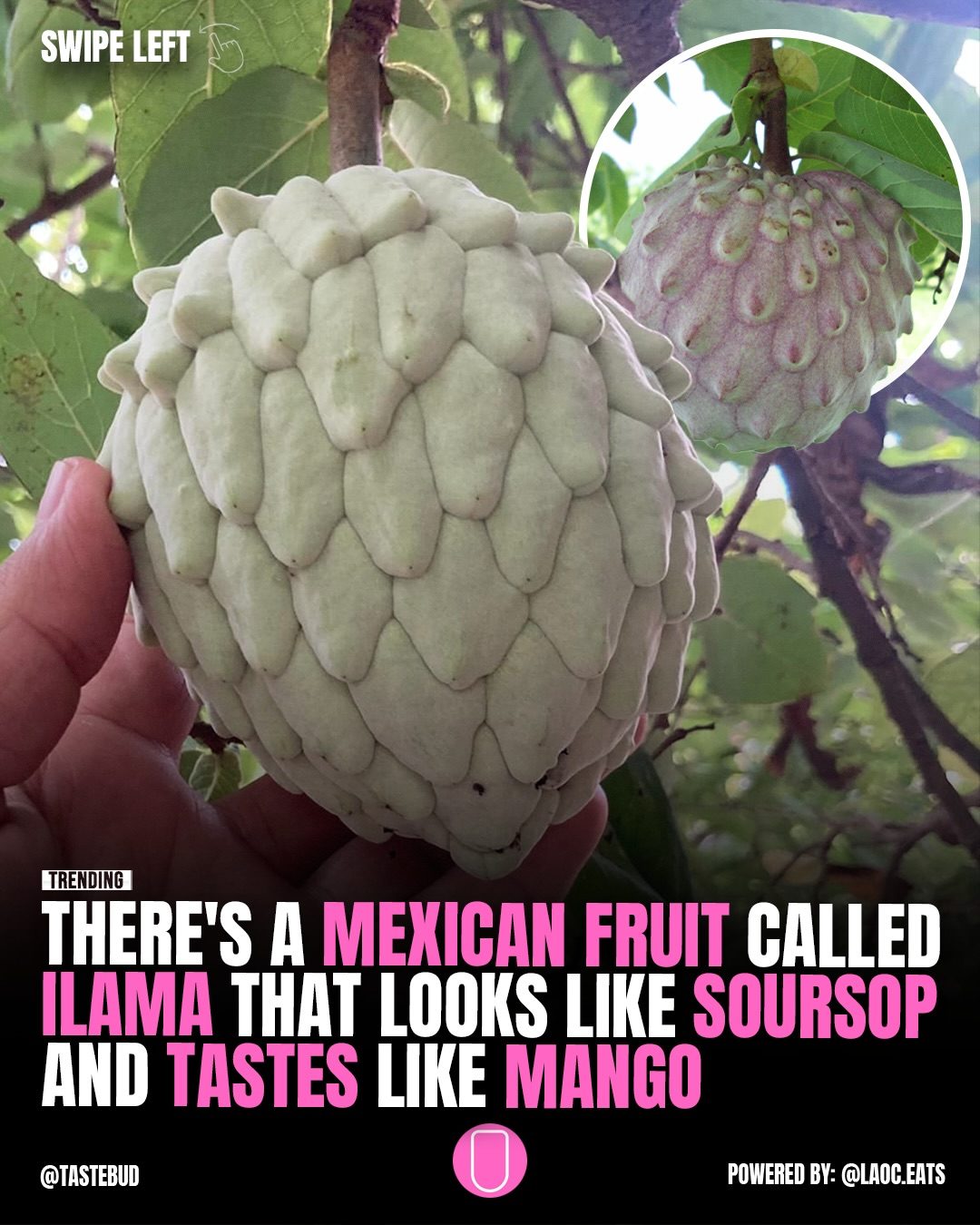
Soursop Fruit
Soursop, a tropical fruit native to Mexico, is especially prevalent in regions like Chiapas and Veracruz. It is admired for its sweet, mango-like flavor and creamy texture, making it a delightful choice for fresh consumption or as an ingredient in desserts. This fruit's name originates from the Nahuatl word, translating to “zapote of the old woman.” While it may not be as internationally recognized, soursop remains a beloved regional favorite in parts of southern Mexico.
Why This Matters
Soursop is more than just a fruit; it's a cultural icon in many parts of Mexico. Understanding its nuances—from its unique flavor to its various culinary applications—enhances the appreciation for Mexico's rich agricultural and culinary heritage. Native to tropical climates, soursop thrives in regions like Chiapas and Veracruz, where its presence is deeply ingrained in the local traditions and cuisine.
Main Discussion
Soursop: A Tropical Delight
Soursop, scientifically known as Annona muricata, is a green, spiky fruit with a distinctive sweet and tangy flavor. Its creamy texture makes it a versatile ingredient in various culinary preparations. The fruit is often enjoyed fresh, but it also lends itself well to desserts, juices, and smoothies. The unique combination of sweetness and creaminess gives it a texture similar to a custard, making it a popular choice for those who enjoy indulgent flavors.
Geographic and Cultural Significance
The fruit's geographic origins and cultural significance are tightly intertwined. Primarily found in regions like Chiapas and Veracruz, soursop is deeply rooted in the local culture. It is often used in traditional recipes and is a staple in local markets. The fruit's name, derived from the Nahuatl language, reflects its profound connection to the indigenous people of the region. The term "zapote of the old woman" carries a sense of heritage and tradition, making it more than just a fruit but a symbol of cultural identity.
Flavor and Texture
What truly sets soursop apart is its sweet, mango-like flavor coupled with a creamy, almost custard-like texture. This unique combination makes it a standout among tropical fruits. The fruit's white, fleshy interior is home to numerous black seeds, which, while edible, are typically discarded. The flesh's succulent and soft texture makes it ideal for refreshing beverages. Soursop juice is a popular choice for those looking to enjoy the fruit's exquisite taste in a cooler, more refreshing form. The creamy texture also makes it a great addition to smoothies and milkshakes.
Nutritional Benefits
Beyond its delightful flavor and texture, soursop packs a nutritional punch. Rich in vitamins C and B, as well as dietary fiber, it offers a range of health benefits. The fruit's high vitamin C content boosts the immune system, while its vitamin B content supports energy production and brain function. The dietary fiber aids in digestion, promoting overall gut health. Its antioxidant properties help neutralize harmful free radicals, contributing to cellular health. This combination of nutrients and health benefits makes soursop a valuable addition to any diet.
Culinary Uses
Soursop's versatility in the kitchen makes it a favorite among chefs and home cooks alike. Its sweet, mango-like flavor and creamy texture lend themselves well to a variety of dishes. In Mexico, it’s often used in traditional desserts like ice cream, sorbet, and puddings. The fruit's pulp can be blended into smoothies, milkshakes, or used as a topping for yogurt. For a more indulgent treat, soursop can be used in baked goods like cakes and pies, adding a unique twist to classic recipes. Its versatility ensures that it can be enjoyed in various forms, making it a staple in many households.
Practical Tips
When selecting soursop, look for fruits that are firm yet yield slightly to gentle pressure, indicating ripeness. Avoid fruits with blemishes or soft spots, as these could indicate overripeness or spoilage. Once ripe, soursop can be stored in the refrigerator for up to a week, extending its shelf life.
When preparing soursop, start by cutting the fruit in half lengthwise. Use a spoon to scoop out the fleshy pulp, being careful to avoid the hard seeds. The pulp can be blended into smoothies, juices, or used as a topping for yogurt. For a more indulgent experience, consider blending the pulp into ice cream or sorbet.
Ripening and Storage
Soursop, like many tropical fruits, continues to ripen after being picked. If you find an unripe soursop, place it in a paper bag at room temperature for a few days. The natural ethylene gas released during this process helps speed up the ripening process. Once ripe, soursop can be stored in the refrigerator for up to a week, ensuring it maintains its freshness and flavor.
Cooking and Serving
When it comes to cooking with soursop, the possibilities are endless. Its sweet, mango-like flavor and creamy texture lend themselves well to a variety of dishes. For a refreshing beverage, blend soursop pulp with water and a sweetener of your choice, then strain the mixture and serve over ice. This makes a fantastic drink for those hot summer days. If you're feeling more adventurous, consider using soursop as an ingredient in a tropical fruit salad, pairing it with other complementary fruits like mango and pineapple. For a more indulgent dessert, try blending soursop pulp with cream and freezing it to make a creamy sorbet.
Important Takeaways
Understanding the unique qualities of soursop can greatly enhance your appreciation for this tropical fruit. Its sweet, mango-like flavor and creamy texture make it a delightful addition to any meal. Whether enjoyed fresh or used in culinary creations, soursop brings a touch of tropical freshness and sweetness to any dish. Additionally, sourcing soursop from regions like Chiapas and Veracruz not only supports local agriculture but also helps preserve cultural traditions.
Conclusion
Soursop is more than just a tropical fruit; it's a cultural treasure that embodies the rich heritage and culinary traditions of Mexico. Its sweet, mango-like flavor and creamy texture make it a versatile ingredient in countless recipes, from refreshing beverages to indulgent desserts. By understanding its unique qualities and culinary applications, you can fully appreciate the depth and richness of this fruit.
Watch the Reel
Questions readers ask
What does soursop taste like?
Soursop is known for its sweet, creamy, and mango-like flavor. It has a unique taste that combines both sweet and tangy notes, making it a refreshing and enjoyable fruit to consume. The flavor is strong, so a little of this fruit will go a long way!
Where in Mexico is soursop most commonly found?
Soursop is particularly common in the tropical regions of Mexico, with Chiapas and Veracruz being notable for their abundance of this fruit. These regions provide the ideal climate for growing soursop, contributing to its prevalence in local cuisines.
What is the origin of the name 'soursop'?
The name 'soursop' is derived from the Nahuatl word, which translates to 'zapote of the old woman.' This etymology offers a glimpse into the fruit's historical and cultural significance in Mexico, where it has been an important part of the local diet and culinary tradition for generations.
How is soursop used in Mexican cuisine?
Soursop is a versatile ingredient in Mexican cuisine. It can be enjoyed fresh, where its distinctive flavor and texture shine. Additionally, it is often used in desserts, smoothies, and other sweet dishes, adding a tropical twist to various recipes. More adventurous cooks might even try using it in savory dishes!
Can soursop be grown outside of Mexico?
While soursop is native to Mexico and thrives in tropical climates, it can also be cultivated in other regions with similar conditions. Areas with warm, humid weather and plenty of rainfall are suitable for growing soursop. However, it may not be as widely available in markets outside of Mexico.
What are some other names for soursop?
Soursop is known by several names depending on the region. In some places, it is called graviola, or guanabana. The fruit is also known as durian-like in some regions, though the taste and texture are not the same as the durian fruit.
How should I select a ripe soursop?
When selecting a ripe soursop, look for a fruit that is slightly soft to the touch and has a pleasant, fragrant aroma. The skin should be green or greenish-yellow with a hint of brown spots, indicating ripeness. Avoid soursops that are overly hard or have discolored patches, as these may not be ripe or could be spoiled.
Related deep dives
Similar reads based on topic and creator.




Recent articles
Fresh deep dives from the latest Reels we unpacked.




Comments
Be the first to comment.