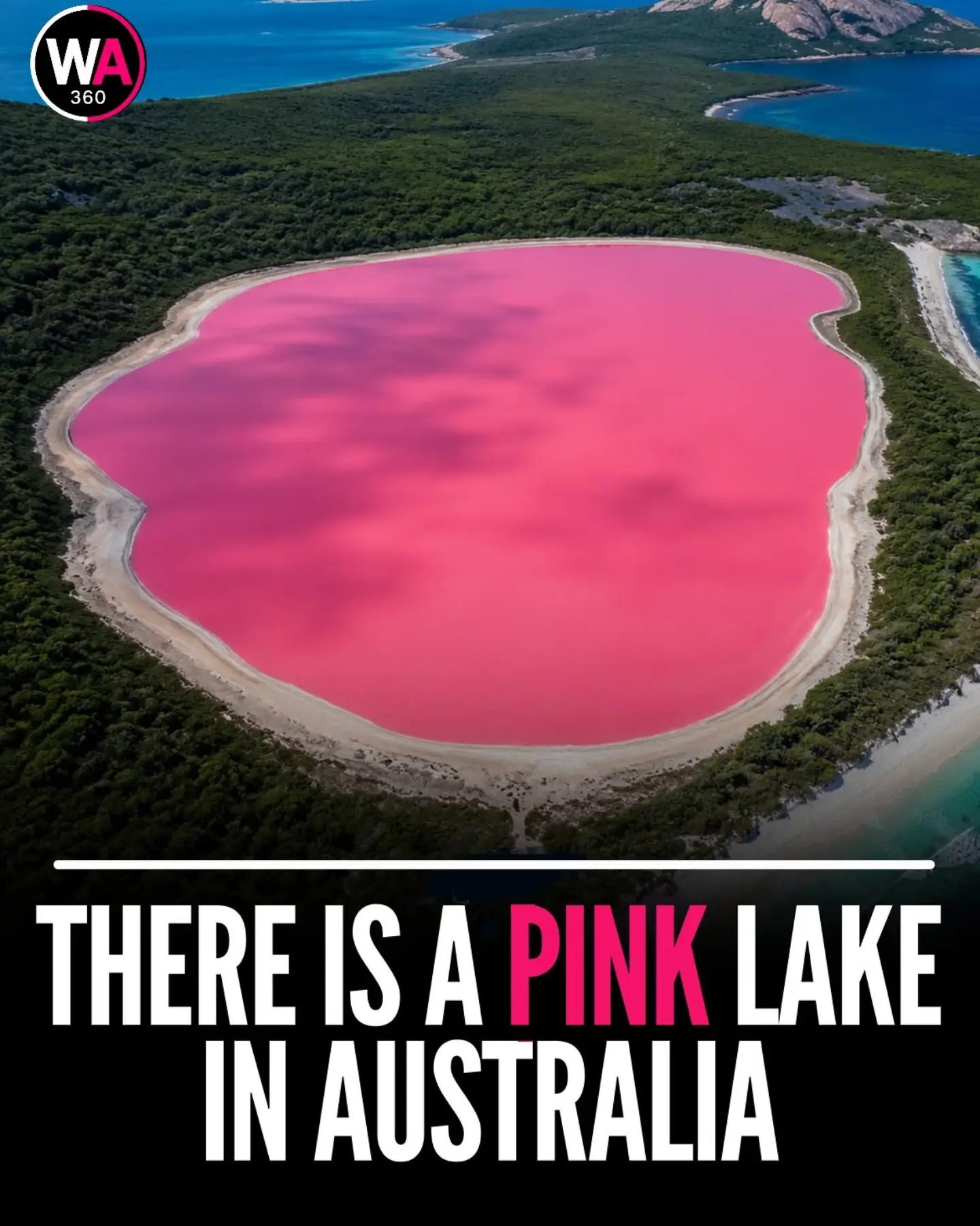
Lake Hillier: Australia's Magical Pink Lake
A vibrant pink lake nestled along the coast of Western Australia — Lake Hillier, often referred to as the "Pink Lake," is a natural phenomenon that defies expectations. Unlike anything else on the planet, this breathtaking lake, shrouded in mystery and allure, captivates scientists, photographers, and travelers alike.
Why This Matters
Lake Hillier is more than just a visually stunning attraction. It is a testament to the wonders of the natural world and a reminder of nature's ability to create landscapes that seem almost otherworldly. Understanding the unique characteristics of this lake can deepen our appreciation for the diverse environments that our planet hosts.
What Makes Lake Hillier So Special
The Vibrant Pink Color
The most striking feature of Lake Hillier is its vibrant bubblegum-pink color, which is not the result of artificial dyes or pollution. This unique hue is caused by naturally occurring salt-loving microorganisms and algae that thrive in the lake's highly saline waters. These microorganisms produce a pigment known as carotenoids, which gives the lake its distinctive pink color.
Year-Round Color Consistency
One of the most fascinating aspects of Lake Hillier is that it maintains its pink color year-round, even when water from the lake is collected in a container. This consistency is due to the high concentration of salt in the lake, which creates an environment where these microorganisms can thrive without interference from external factors.
Surrounding Landscape
The lake is surrounded by lush greenery and the deep blue ocean, creating a striking contrast that enhances its visual appeal. The vibrant pink of the lake against the lush green vegetation and the deep blue sea creates a breathtaking landscape. This combination of colors and the unique environment make Lake Hillier a must-visit destination for travelers.
The Science Behind the Pink Lake
High Salinity and Unique Ecosystem
Lake Hillier's ecosystem is characterized by its high salinity, which is roughly eight times higher than that of seawater. This high salt concentration is what allows the unique microorganisms and algae to flourish. These organisms not only give the lake its distinctive color but also contribute to its unique ecological balance.
Microorganisms and Algae
The primary contributors to the lake's pink color are halophilic bacteria and algae. These organisms have adapted to the high salt concentration and produce the carotenoid pigments responsible for the pink hue. The specific types of microorganisms and algae found in Lake Hillier are still a subject of ongoing research, adding to the lake's allure.
What Makes It a Must-Visit Destination
Accessibility and Tourism
Lake Hillier is relatively accessible, being located on Middle Island, part of the Recherche Archipelago in Western Australia. While it is not directly accessible by road, visitors can reach it via a scenic boat tour or a helicopter ride, providing a unique and unforgettable experience.
Scientific and Photographic Interest
The lake's unique properties make it a subject of great interest to scientists and photographers. Researchers continue to study the lake's ecosystem to better understand the microorganisms and algae that thrive in its saline waters. Meanwhile, photographers are drawn to its visually stunning landscape, often capturing breathtaking images that showcase the contrast between the vibrant pink of the lake, the lush greenery, and the deep blue ocean.
Practical Tips for Visiting Lake Hillier
Choosing the Right Time
Lake Hillier can be visited year-round, but the best time to see it in all its glory is during the dry season, from April to October. During this period, the weather is generally pleasant, and the lake's vibrant pink color is at its most striking.
How to Get There
While the lake is not directly accessible by road, there are guided tours available. The most popular ways to reach Lake Hillier are by boat or helicopter from Esperance, a nearby coastal town. These tours not only provide transportation but also offer knowledgeable guides who can share insights about the lake’s unique features and the surrounding environment.
What to Bring
When visiting Lake Hillier, it's essential to be prepared for the outdoors. Bring sunscreen, a hat, sunglasses, and comfortable walking shoes. A camera or smartphone with a good camera is also a must to capture the breathtaking views. If you plan to join a boat or helicopter tour, make sure to bring any necessary travel documents and be ready for a day of adventure.
Important Takeaways
Lake Hillier is a natural wonder that showcases the incredible diversity and beauty of our planet. Its unique pink color, caused by naturally occurring microorganisms and algae, makes it a must-visit destination for travelers, scientists, and photographers. The surrounding landscape, characterized by lush greenery and the deep blue ocean, adds to its allure, creating a breathtaking contrast.
Conclusion
Lake Hillier is more than just a pretty sight; it's a living testament to the wonders of nature. Its vibrant pink color, high salinity, and unique ecosystem make it a destination unlike any other. Whether you're a scientist, photographer, or traveler, a visit to Lake Hillier promises an unforgettable experience. So, if you ever find yourself in Western Australia, don't miss the opportunity to witness this magical pink wonder for yourself.
Watch the Reel
Questions readers ask
Why is Lake Hillier pink?
The striking pink color of Lake Hillier is due to a unique combination of factors. The lake is super salty, making it a thriving environment for salt-loving microorganisms called halophilic bacteria. These bacteria contain a red pigment that, when combined with the lake's high salinity and the reflection of the blue sky, creates the vivid bubblegum pink hue that Lake Hillier is famous for.
Where is Lake Hillier located?
Lake Hillier is situated on the edge of Middle Island, the largest of the islands in the Recherche Archipelago, along the coast of Western Australia. The nearest city is Esperance, which is approximately 90 kilometers away. Access to the lake is typically via organized tours or scenic flights.
Can you swim in Lake Hillier?
While the vibrant pink color of Lake Hillier is enticing, swimming in the lake is not recommended. The high salinity of the water can be irritating to the skin and eyes. Additionally, the lake's ecosystem is delicate, and swimming in it can potentially disrupt the unique microorganisms that give the lake its distinctive color.
How was Lake Hillier formed?
Lake Hillier is believed to have formed thousands of years ago when the sea level rose, flooding the coastal area and creating a lagoon. Over time, the lagoon became isolated from the ocean, leading to the evaporation of water and the concentration of salt. This unique environment allowed for the development of the salt-loving microorganisms that contribute to the lake's pink color.
What is the best time to visit Lake Hillier?
The best time to visit Lake Hillier is during the Australian summer and autumn months, from December to April. During this period, the weather is generally warm and dry, making it ideal for outdoor activities and sightseeing. However, it's essential to check local conditions and tour availability, as weather patterns can vary.
Are there other pink lakes in Australia?
Yes, Australia is home to several other pink lakes, including Lake MacDonnell in the Nullarbor and Hutt Lagoon in Western Australia. While each of these lakes has its unique characteristics, Lake Hillier is often considered the most vibrant and visually stunning due to its intense pink color and striking landscape.
Can you visit Lake Hillier on a day trip from Esperance?
Yes, many visitors enjoy Lake Hillier as part of a day trip from Esperance. The journey typically involves a scenic drive or a helicopter or boat tour. It takes about an hour's drive to reach the boat departure point, followed by a boat ride to Middle Island. The boat tour usually offers the most convenient and comfortable way to experience the lake.
Related deep dives
Similar reads based on topic and creator.




Recent articles
Fresh deep dives from the latest Reels we unpacked.




Comments
Be the first to comment.