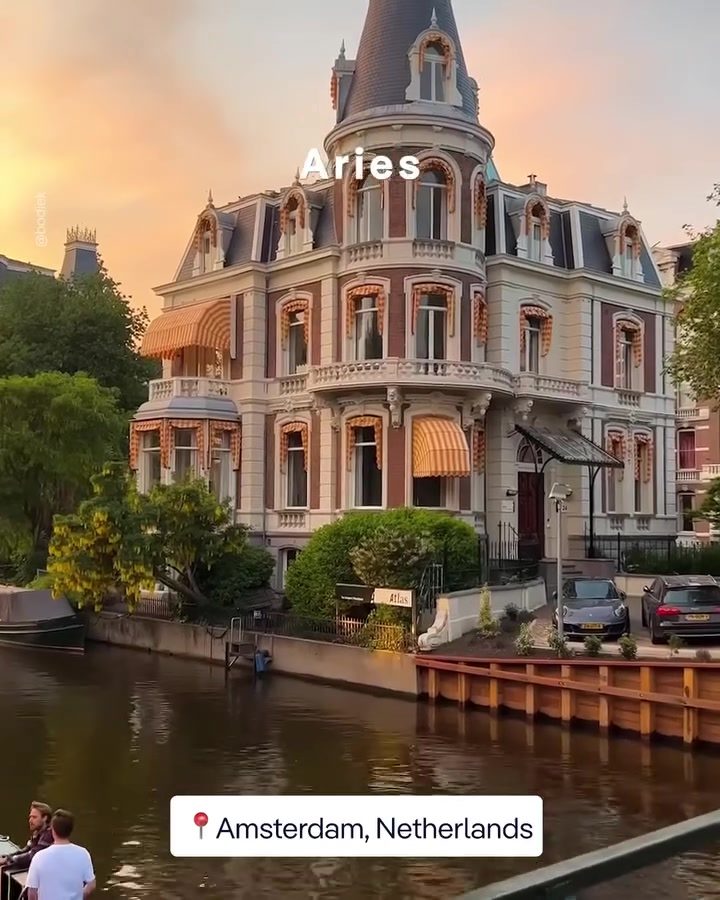
Amsterdam Canal Views
Amsterdam, the vibrant capital of the Netherlands, is renowned for its picturesque canals that weave through the city, creating a unique and enchanting atmosphere. These waterways are not just scenic; they are a way of life, integral to the city's transportation, culture, and charm. Let's delve into what makes Amsterdam's canals so special, how they shape the city's character, and why they are a must-see for any traveler.
Context / Why this matters
Amsterdam's canals are more than just tourist attractions; they are UNESCO World Heritage sites that tell the story of the city's history and development. These waterways were dug in the 17th century during the Dutch Golden Age, serving as a means of defense, water management, and transportation. Today, they are a symbol of the city's rich past and its enduring spirit.
Main discussion
The Architecture Along the Canals
Amsterdam's canals are flanked by some of the most beautiful and well-preserved architecture in Europe. The buildings that line the waterways are a mix of styles, reflecting the city's diverse history. From the elegant 17th-century canal houses with their characteristic gables to the modern structures that have been added over the years, each building tells a story.
The architecture is not just aesthetically pleasing; it also serves a practical purpose. Many of the canal houses are narrow and tall, designed to maximize space in a city where land is at a premium. This unique design is a testament to the ingenuity of the Dutch people and their ability to adapt to their environment.
The Role of Canals in Daily Life
Canals are a vital part of Amsterdam's daily life. They are a means of transportation, with boats and barges traversing the waterways, carrying goods and people. Additionally, the canals are a hub for social activities, from leisurely strolls along the water’s edge to romantic boat rides at sunset. During the day, the canals are bustling with activity, and at night, they take on a magical glow, reflecting the city lights.
The Canals and Dutch Culture
The canals have deeply influenced Dutch culture. They have inspired countless artists, writers, and poets, who have captured their beauty in various forms of art. The canals are also a backdrop for many Dutch traditions and festivals, including the famous King's Day celebrations, where the waterways come alive with vibrant colors and festive energy.
Exploring Amsterdam's Canals
Amsterdam's canals are best explored by foot. Walking along the waterways provides an intimate and authentic experience, allowing you to appreciate the city's charm up close. However, for a unique perspective, consider a canal cruise. These cruises offer a different vantage point, letting you see the city's landmarks and hidden gems from the water.
Popular Canal Routes
If you're planning a visit, there are several popular canal routes to consider. The Canal Ring, a series of concentric canals that form a UNESCO World Heritage site, is a must-see. This route includes some of the most iconic landmarks in Amsterdam, such as the Anne Frank House, the Rijksmuseum, and the Royal Palace.
Another popular route is the Prinsengracht, known for its beautiful architecture and peaceful atmosphere. This canal is particularly enchanting during the famous Tulip Season, when the city is adorned with vibrant flowers.
Practical Tips
Best Time to Visit
Amsterdam's canals are enchanting year-round, but the best time to visit is during the spring or summer. The weather is mild, and the days are longer, allowing for more time to explore. Spring is especially beautiful, with tulips in full bloom and the city's parks and gardens in full splendor. However, summer offers warmer temperatures and the opportunity to enjoy outdoor activities like boat rides and picnics.
Essential Activities
When visiting Amsterdam, make sure to include the following essential activities:
-
Canal Cruise: A canal cruise is a quintessential Amsterdam experience. Choose from various options, including hop-on-hop-off cruises, dinner cruises, and even private tours. These cruises offer a unique perspective on the city's landmarks and hidden gems.
-
Canal House Tours: Many of the historic canal houses offer tours, providing a glimpse into the city's rich history and architectural heritage. These tours often include visits to museums and art galleries housed in these historic buildings.
-
Cycling: Amsterdam is famous for its cycling culture. Rent a bike and explore the city's canals and parks at your own pace. Cycling is an eco-friendly and fun way to get around, and it provides a unique perspective on the city's layout.
-
Boat Rental: For a more independent experience, consider renting a boat. Rentals are available for various types of boats, from small rowboats to larger electric boats. This is a great way to explore the canals at your own pace and discover lesser-known parts of the city.
-
Canal-side Dining: Amsterdam offers a variety of dining options along the canals. Enjoy a meal at one of the many cafes and restaurants that overlook the waterways, or try a canal-side food tour to sample local delicacies.
Important Takeaways
- Historical Significance: Amsterdam's canals are more than just scenic waterways; they are a testament to the city's rich history and cultural heritage.
- Cultural Experience: The canals are a vital part of daily life in Amsterdam, offering a unique blend of history, culture, and natural beauty.
- Multiple Perspectives: Exploring the canals by foot, bike, or boat provides different perspectives, making each experience unique and memorable.
Conclusion
Amsterdam's canals are a treasure trove of beauty, history, and culture. Whether you're strolling along the water's edge, taking a leisurely boat ride, or simply admiring the architecture, the canals offer an unforgettable experience. They are a testament to the city's resilience and ingenuity, and they continue to inspire visitors from around the world. By understanding the significance of these waterways and experiencing them in various ways, you can truly appreciate the magic of Amsterdam.
Watch the Reel
Questions readers ask
What is the historical significance of Amsterdam's canals?
Amsterdam's canals were constructed during the Dutch Golden Age, a period of unprecedented prosperity and cultural growth during the 17th century. These waterways were initially designed for defense, water management, and efficient transportation. Today, they stand as a testament to the city's rich history, helping visitors understand Amsterdam's past while navigating its present.
How do Amsterdam's canals contribute to the city's nightlife?
The canals offer a serene yet lively atmosphere during the night. Many canal-side bars and restaurants open their doors to visitors, offering a unique dining experience. Additionally, night cruises are a popular way to enjoy the city's sparkling lights reflected on the water, while a variety of nightly events and festivals take place along the banks.
Which canal is best for experiencing Amsterdam's architecture?
The Prinsengracht, one of the city's main canals, is renowned for its display of Amsterdam's architectural styles. The canal is lined with beautiful homes and buildings, showcasing the intricate design and craftsmanship of the Dutch Golden Age. A leisurely stroll or boat ride along this canal will reveal the architectural beauty of the city.
What are some must-see canal attractions during the summer?
Summer is a wonderful time to explore Amsterdam's canals, with numerous activities to enjoy. A canal boat tour is a relaxed and informative way to see the city's sights. Alternatively, you can rent a bike to ride along the canal side paths, or simply relax in the many canal-side parks and gardens.
How do Amsterdam's canals compare to other European canal cities?
Amsterdam's canals are unique in their historical continuity and extensive network, which is larger and more integrated into daily life than in many other European cities. Unlike some cities that have partially filled in or abandoned their canals, Amsterdam's waterways remain a vibrant and essential part of the city’s infrastructure, offering a constant connection to its past.
Related deep dives
Similar reads based on topic and creator.




Recent articles
Fresh deep dives from the latest Reels we unpacked.




Comments
Be the first to comment.