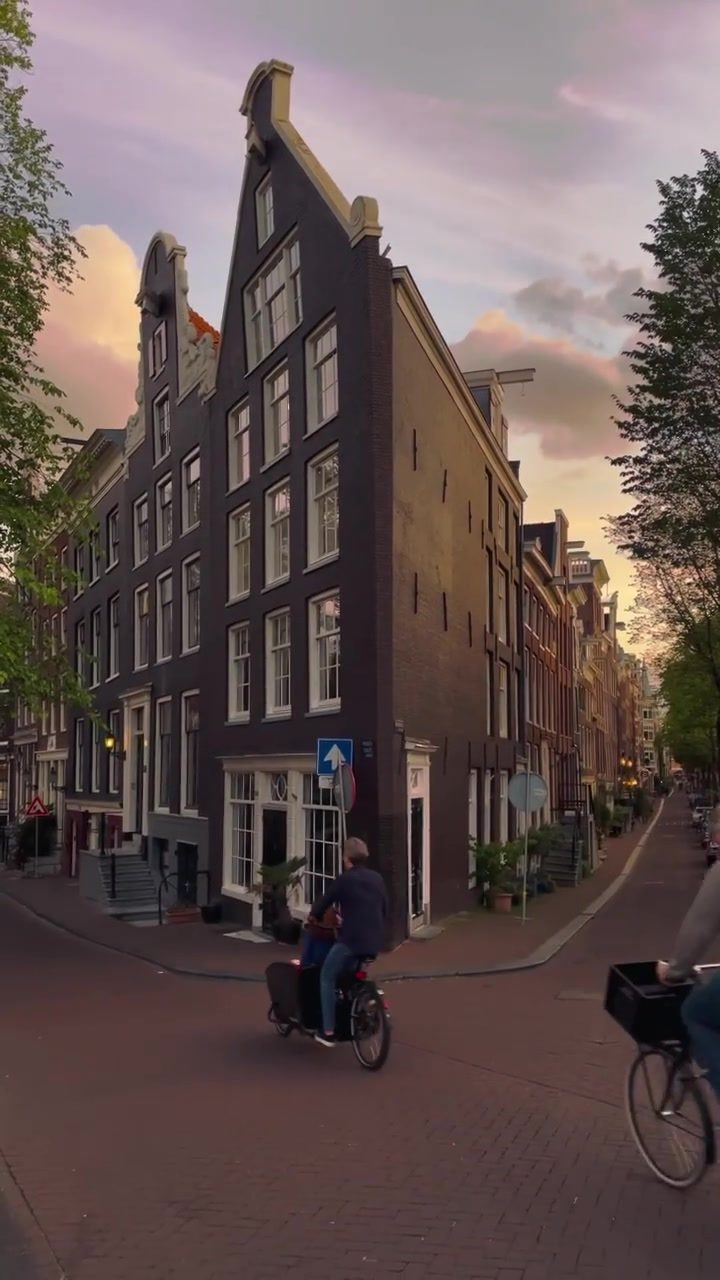
Amsterdam Canal Views
Amsterdam is renowned for its picturesque canals and vibrant cityscape, making it a must-visit destination for travelers worldwide. The city's charm is beautifully encapsulated in its traditional Dutch architecture, lush greenery, and the prevalence of bicycles as a primary mode of transportation. Exploring Amsterdam's canals offers a unique perspective on the city's rich history and modern culture.
Why This Matters
Understanding the significance of Amsterdam's canals and the city's approach to transportation and urban planning provides valuable insights into sustainable living and historical preservation. The canals not only add to the city's aesthetic appeal but also serve as a critical infrastructure for transportation and flood management. Additionally, the city's emphasis on cycling and pedestrian-friendly streets offers lessons in creating urban environments that prioritize health, sustainability, and community engagement.
Main Discussion
The Historical and Cultural Significance of Amsterdam's Canals
Amsterdam's canal system is a UNESCO World Heritage site, comprising over 100 kilometers of canals and 1,500 bridges. These waterways were constructed in the 17th century during the Dutch Golden Age, serving as a means of transportation, defense, and water management. Today, the canals are a vital part of the city's identity, offering residents and tourists alike a unique way to experience Amsterdam. Many of the city's historic buildings and landmarks are situated along the canals, providing a glimpse into the city's rich past.
The Prevalence of Bicycles in Amsterdam
Amsterdam is world-famous for its bicycle culture. The city has more bicycles than residents, with cyclists outnumbering car drivers by a significant margin. Bicycles are the primary mode of transportation for many Amsterdam residents, contributing to the city's low carbon footprint and minimal traffic congestion. The city's infrastructure is designed to accommodate cyclists, with dedicated bike lanes, bike parking, and bike-friendly streets.
The prevalence of bicycles in Amsterdam is a testament to the city's commitment to sustainability and environmental stewardship. By prioritizing cycling over car use, Amsterdam has successfully reduced its carbon emissions and improved air quality. Additionally, the city's bike-friendly infrastructure encourages physical activity and promotes a healthier lifestyle for its residents. Visitors to Amsterdam often remark on how the city's bike culture enhances the overall experience of the city.
Exploring Amsterdam's Canals: A Unique Perspective
Exploring Amsterdam's canals offers a unique perspective on the city's rich history and vibrant culture. There are numerous ways to experience the canals, from leisurely boat tours to renting a bike and exploring the city at your own pace. One popular option is to take a boat tour, which provides a relaxing and informative way to learn about the city's history and architecture. Another option is to rent a bicycle and explore the city's canals and streets, experiencing Amsterdam like a local. Cycling along the canals allows visitors to appreciate the city's beauty and charm at their own pace, providing a more intimate and authentic experience.
Practical Tips
Best Times to Visit
The best time to visit Amsterdam is during the spring and summer months, from April to September. During this period, the weather is mild and pleasant, with longer daylight hours. However, the city can be quite crowded during the peak tourist season, so it's essential to plan your trip accordingly. If you prefer a quieter, more relaxed experience, consider visiting during the off-peak season, from October to March. The weather may be colder, but the city is less crowded, and prices for accommodations and attractions are generally lower.
How to Get Around
The best way to get around Amsterdam is by bicycle. Renting a bike is an affordable and convenient way to explore the city, and there are numerous bike rental shops throughout the city. If you prefer a more leisurely pace, consider taking a canal boat tour. Boat tours are an excellent way to see the city's landmarks and historic sites, and they provide valuable insights into the city's history and culture. Additionally, Amsterdam has an extensive public transportation system, including buses, trams, and trains, making it easy to get around the city.
Where to Stay
Amsterdam offers a wide range of accommodations, from budget-friendly hostels to luxury hotels. If you're looking for a more authentic experience, consider staying in a local guesthouse or Airbnb. These accommodations often provide a more intimate and personalized experience, allowing you to connect with locals and gain a deeper understanding of the city's culture. Some popular areas to stay include the Jordaan district, known for its charming canals and vibrant nightlife, and the De Pijp neighborhood, home to trendy boutiques, cafes, and restaurants.
Important Takeaways
Amsterdam's canals and bicycle culture are integral to the city's identity and offer valuable insights into sustainable urban living. Exploring the canals provides a unique perspective on the city's rich history and vibrant culture, while the prevalence of bicycles underscores the city's commitment to environmental stewardship and sustainability. Whether you're a history buff, a nature lover, or simply looking for a relaxing getaway, Amsterdam's canals and bicycle culture offer a memorable and enriching experience.
Conclusion
Amsterdam's canals and bicycle culture are a testament to the city's rich history, vibrant culture, and commitment to sustainability. From leisurely boat tours to exploring the city on two wheels, there are countless ways to experience Amsterdam's unique charm. By understanding the significance of the city's canals and bicycle culture, visitors can gain a deeper appreciation for Amsterdam's heritage and its approach to sustainable living.
Watch the Reel
Questions readers ask
What makes Amsterdam's canals so unique and iconic?
Amsterdam's canals are unique due to their historic significance, scenic beauty, and functional role in the city. They were listed as a UNESCO World Heritage site in 2010, and offer a glimpse into the city's rich past while serving as vital infrastructure for transportation and flood management.
How do bicycles play a role in Amsterdam's culture and transportation system?
Bicycles are a primary mode of transportation in Amsterdam, contributing to its sustainability and defining its urban landscape. The city's extensive network of bike lanes and bike-friendly infrastructure make it easy for residents and visitors alike to explore the city by bike, with Amsterdam holding over 881,000 bikes.
What are some must-see examples of Amsterdam's historic architecture?
Amsterdam's historic architecture is renowned for its traditional Dutch style, including gabled canal houses, historic churches, and charming bridges. Notable examples include the Royal Palace, the Westerkerk, and the Anne Frank House, each offering a unique glimpse into the city's past.
How can visitors best experience Amsterdam's canals and architecture?
Visitors can experience Amsterdam's canals and architecture through a variety of means, including canal cruises, walking tours, and bike tours. These activities allow travelers to admire the city's scenic views, historic sites, and picturesque canal houses from different perspectives.
What role do the canals play in Amsterdam's approach to sustainable urban living?
The canals contribute to Amsterdam's sustainable urban living by serving as a vital infrastructure for transportation and flood management. They provide a scenic and efficient way to navigate the city while also helping to manage water levels and prevent flooding, making them an essential part of the city's sustainable design.
What are some key features of Amsterdam's traditional houses?
Amsterdam's traditional houses, particularly the Dutch canal houses, are known for their narrow facades, steep gables, and tall structures. These houses often have a small entrance on the ground floor leading to a narrow staircase, with the main living area on the higher floors to maximize space and light.
Related deep dives
Similar reads based on topic and creator.


Recent articles
Fresh deep dives from the latest Reels we unpacked.




Comments
Be the first to comment.