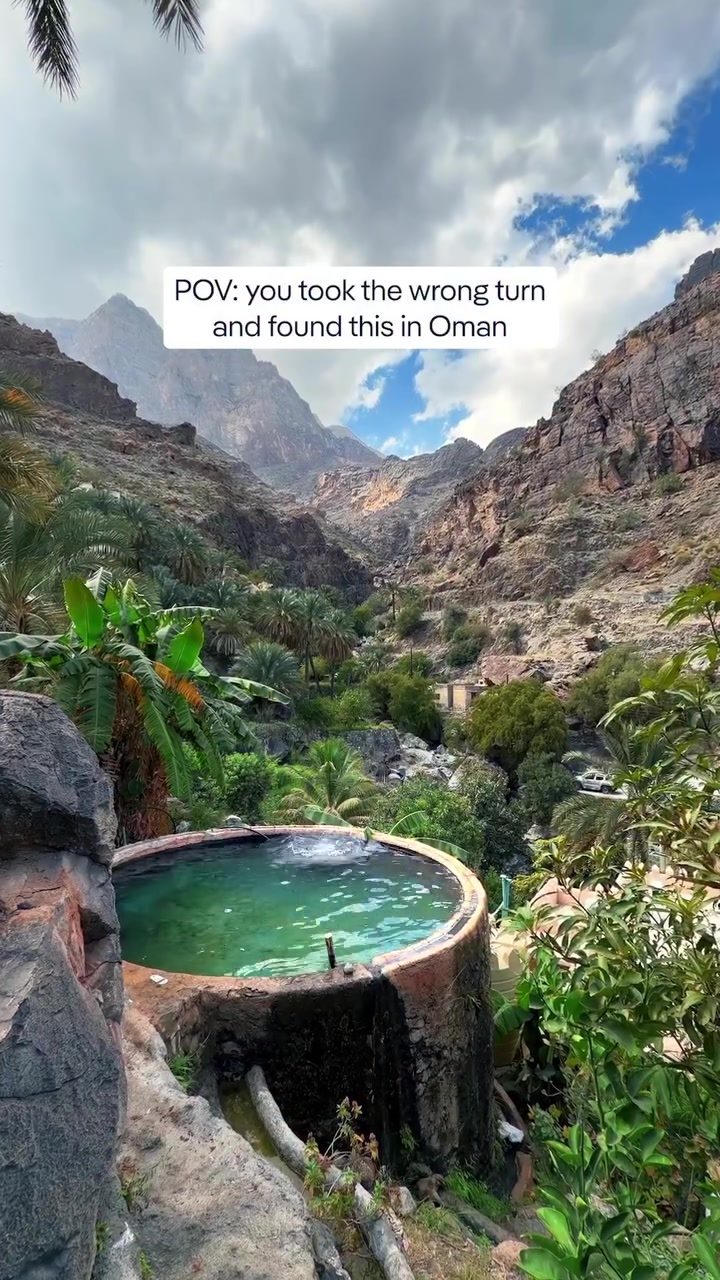
Al Farah Village's Hidden Mountain Pools
Nestled deep within Oman’s Hajar Mountains lies Al Farah Village, a hidden gem that boasts some of the most stunning natural pools in the region. These pools are not just scenic; they are an essential part of an ancient falaj water system, a centuries-old engineering marvel that continues to support daily life in the village.
Context
Why This Matters
The falaj system is a traditional irrigation method unique to the Arabian Peninsula, particularly in Oman. It involves channels that transport water from natural springs down to the villages, irrigating crops and providing water for daily use. These systems are a testament to the ingenuity of ancient civilizations, showcasing their ability to harness natural resources efficiently. Al Farah Village's pools, part of this intricate falaj network, offer a glimpse into this rich historical and cultural heritage. Understanding these systems provides deeper appreciation for Omani heritage and the sustainable practices that have allowed communities to thrive in arid environments.
The Falaj Water System and Al Farah Village
Historical Significance
The falaj water system in Al Farah Village was designed centuries ago to carry fresh mountain water through the village. These channels, carved into the rugged landscape, collect water from natural springs and direct it to various parts of the village, supporting agriculture and domestic use. The falaj system is not just an engineering marvel; it is a critical lifeline for the villagers, shaping their daily lives and sustaining the local ecosystem.
How the System Works
The falaj system in Al Farah Village is a masterclass in sustainable water management. The water flows through a series of canals and basins, carefully designed to minimize water loss and ensure efficient distribution. The system is gravity-fed, which means it relies on the natural slope of the land to move water from higher elevations to lower ones. This ingenious design not only conserves water but also minimizes the need for manual intervention, making it a highly efficient and sustainable solution.
Modern-day Significance
Today, these ancient water channels continue to play a vital role in the daily lives of the villagers. They flow past lush palms, traditional homes, and terraces carved into the rock, creating a harmonious blend of nature and human ingenuity. The water from the falaj system supports agriculture, providing the necessary irrigation for the village’s crops. It also serves as a source of fresh water for the villagers, ensuring that they have access to clean water for drinking, cooking, and other domestic uses. The pools themselves are not just functional; they are also a gathering place for the community, where people come to socialize, relax, and enjoy the natural beauty of their surroundings.
Exploring Al Farah Village
The Natural Beauty
Al Farah Village is a hidden paradise, tucked away in the heart of the Hajar Mountains. The village is surrounded by towering mountains, lush greenery, and clear turquoise waters, making it a breathtaking sight to behold. The natural pools, carved into the canyon, are particularly striking, offering a serene and picturesque setting that is both calming and invigorating.
Terraces and Palms
The village is built on terraced farmlands, with palm trees providing shade and shelter. These terraces, cut into the rocky landscape, support agriculture and add to the village’s unique aesthetic. The palms, in particular, are a defining feature of the village, adding to its lush and verdant atmosphere. The combination of natural beauty, traditional architecture, and the ancient falaj system make Al Farah Village a place of profound cultural and historical significance.
Practical Tips
How to Get There
To reach Al Farah Village, one must venture deep into the Hajar Mountains. The journey itself is an adventure, offering scenic drives through rugged terrain and breathtaking landscapes. Once in the village, visitors can explore the falaj system, the natural pools, and the terraced farmlands. Guided tours are often available, providing insight into the history and culture of the village and the falaj system.
Things to Do
Visitors to Al Farah Village can engage in a variety of activities. Swimming in the natural pools is a must, as is exploring the falaj system to understand how it works. The terraced farmlands and palms provide a beautiful backdrop for photography and nature walks. Visitors can also interact with the local community, learning about their way of life and the historical significance of the falaj system.
Important Takeaways
Al Farah Village in Oman’s Hajar Mountains is a captivating destination that offers more than just scenic beauty. The village’s hidden pools, part of an ancient falaj water system, provide a glimpse into the rich history and sustainable practices of the region. The falaj system, with its intricate design and efficient water management, is a testament to the ingenuity of ancient civilizations and continues to support modern-day life in the village.
Conclusion
Visiting Al Farah Village is an experience that transcends mere sightseeing. It is an immersive journey into a world where ancient ingenuity meets modern-day sustainability, where nature and human effort coexist in harmony. The falaj water system, the natural pools, and the terraced farmlands all contribute to a unique and enriching experience, offering a deeper understanding of Omani heritage and the sustainable practices that have allowed communities to thrive in challenging environments. Whether you are a history enthusiast, a nature lover, or simply seeking a serene getaway, Al Farah Village promises an unforgettable adventure.
Watch the Reel
Questions readers ask
What makes Al Farah Village's pools unique?
Al Farah Village's pools are unique due to their integration with the ancient falaj water system. This system, which has been used for centuries, channels water from natural springs to the village, making these pools both historically significant and functionally important for daily life.
How do the falaj systems work?
The falaj systems in Oman are traditional irrigation methods that involve creating channels to transport water from natural springs down to villages. These systems are designed to irrigate crops and provide water for various daily uses, demonstrating the ingenuity of ancient civilizations in harnessing natural resources.
Why are the Hajar Mountains significant to Oman?
The Hajar Mountains are significant to Oman for several reasons, including their role in the falaj water system and their historical and cultural importance. The mountains hold natural springs that feed the falaj systems, which have sustained local life for centuries, making them a vital part of Oman's deep history.
Can visitors explore the ancient mountain pools at Al Farah Village?
Yes, visitors can explore the ancient mountain pools at Al Farah Village. However, it's important to note that the experience is not just about seeing the pools, but also about understanding the falaj water system and the historical context. Guided tours and local insights can enhance the visit.
What is the significance of the falaj water system in Omani culture?
The falaj water system holds great significance in Omani culture as it represents a centuries-old tradition of sustainability and resource management. It is a key part of the country's historical and cultural heritage, showcasing the resilience and ingenuity of Omani people.
What can one learn from visiting the ancient mountain pools of Al Farah Village?
Visiting the ancient mountain pools of Al Farah Village offers a rich experience of Oman's history and culture. One can learn about the falaj water system, the importance of water in Omani villages, and the broader historical context of the region. It provides a deeper understanding of Oman's heritage.
Are the Al Farah pools accessible for all visitors?
The accessibility of the Al Farah pools may vary due to their natural and historic setting. It is recommended to check with local guides or tour operators for the most up-to-date information on accessibility. Some areas may require a bit of hiking or walking, so appropriate footwear and preparation are advised.
Related deep dives
Similar reads based on topic and creator.



Recent articles
Fresh deep dives from the latest Reels we unpacked.




Comments
Be the first to comment.