Digestion Time of Foods
The time it takes for food to digest varies widely based on the type of food, your individual biology, and several other factors. Understanding how long different foods take to digest can help optimize meal planning, improve digestion, and support overall health.
Why This Matters
Digestion is a complex process that involves breaking down food into nutrients the body can absorb. The rate at which this happens can influence energy levels, nutrient absorption, and even mood. Knowing the digestion time of various foods can help in creating balanced meals, managing hunger, and supporting digestive health.
Digestion Time by Food Group
Protein and Animal Products
Proteins and animal products generally take longer to digest compared to other food groups. Here’s a breakdown:
- Salmon and White Fish: These are the quickest to digest among animal proteins, often clearing the stomach in under 90 minutes.
- Chicken, Steak, and Cheese: These foods take about 3.5 hours to digest.
- Pork: Pork is the slowest-digesting meat, sometimes taking nearly 4.5 hours to leave the stomach.
Grains and Legumes
Grains and legumes have a moderate digestion time:
- Rice and Bread: These typically move through the stomach in 1 to 2 hours.
- Beans, Walnuts, and Peanuts: These take a bit longer, generally 3 to 4 hours to digest.
Fruits and Vegetables
Fruits and vegetables are generally the fastest to digest:
- Watermelon and Cucumber: These can clear the stomach in as little as 20 to 30 minutes.
- Avocados and Sweet Potatoes: These take a bit longer, usually around 1 to 2 hours.
Chewing Gum
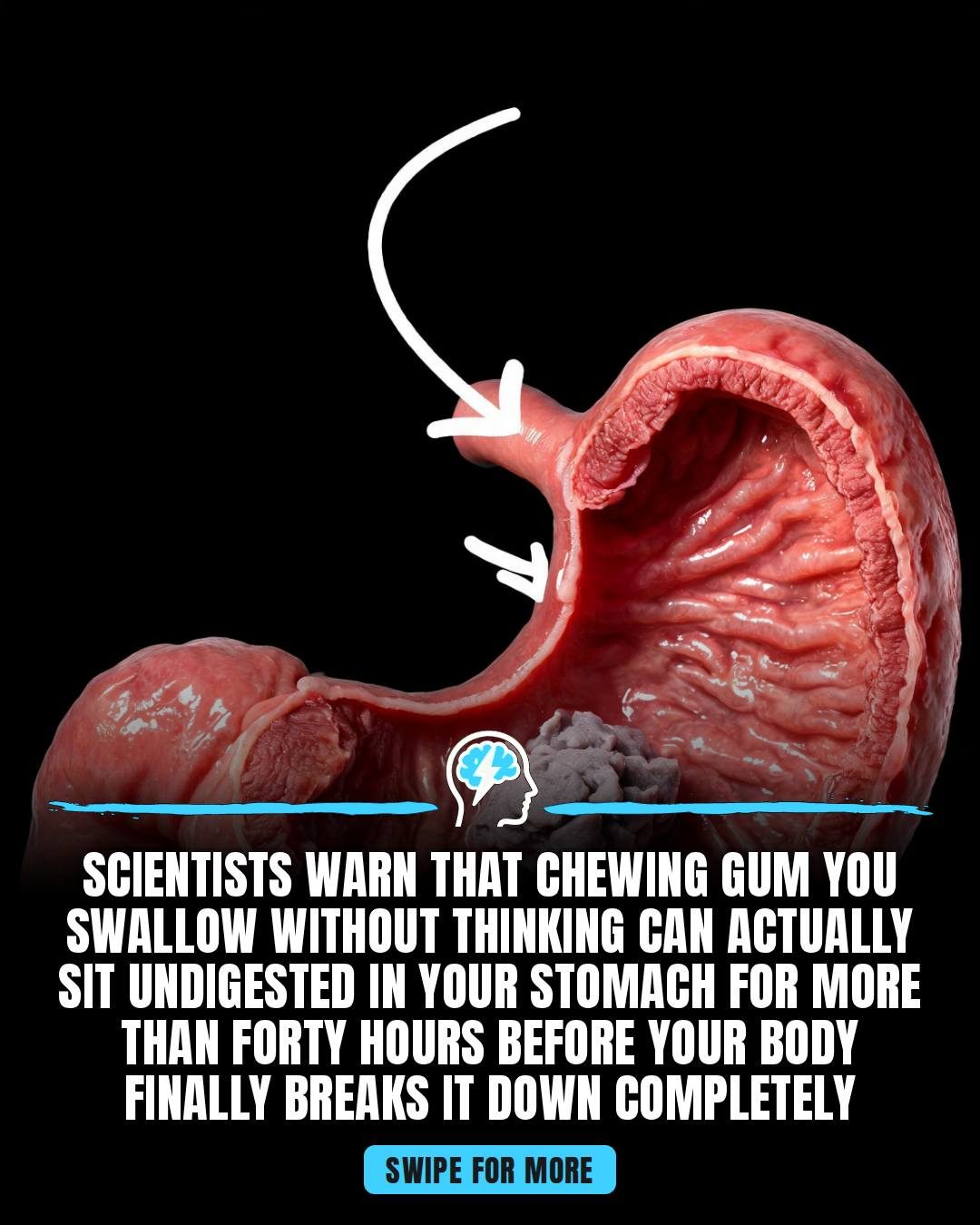
Chewing gum is an outlier in the digestion process. Unlike food, gum is not designed to be digested. Swallowing gum without chewing can leave it undigested in the stomach for over 40 hours. The myth that gum takes seven years to digest is just that—a myth. However, it does take a significantly long time to break down, making it the slowest item on this list.
Factors Influencing Digestion Time
Several factors can influence how quickly food moves through your digestive system:
- Meal Size: Larger meals take longer to digest.
- Cooking Method: How food is prepared can affect digestion speed. For example, raw vegetables might digest faster than cooked ones.
- Hydration: Staying hydrated can help food move through the digestive system more quickly.
- Activity Level: Physical activity can speed up digestion.
- Metabolism: Individual metabolic rates play a significant role in how quickly food is broken down.
- Gut Health: A healthy gut microbiome can aid in efficient digestion.
Practical Tips
Understanding digestion times can help in several practical ways:
- Meal Timing: Pair faster-digesting foods with slower ones to create a more balanced digestion process.
- Hydration: Drink plenty of water with your meals to aid digestion.
- Mindful Eating: Chew food thoroughly and avoid swallowing gum to prevent it from lingering in your stomach.
- Portion Control: Smaller meals are generally easier to digest than larger ones.
- Exercise: Engaging in physical activity after meals can help speed up digestion.
Important Takeaways
- Digestion time varies greatly by food type, with proteins and animal products generally taking the longest, and fruits and vegetables the shortest.
- Chewing gum, while not a food, can remain undigested in the stomach for over 40 hours.
- Individual factors such as meal size, hydration, and metabolism significantly impact digestion time.
- Practical strategies like mindful eating and staying hydrated can support better digestion.
Conclusion
The time it takes for food to move through your digestive system is influenced by a variety of factors. By understanding how different foods digest, you can make more informed choices about what and when to eat. Whether you're looking to optimize your meals, manage hunger, or support your digestive health, knowing the digestion times of common foods can be a valuable tool.
Watch the Reel
Questions readers ask
How does chewing affect the digestion time of food?
Chewing plays a crucial role in digestion. Thorough chewing breaks down food into smaller particles, increasing the surface area for digestive enzymes to act upon. This can significantly reduce digestion time and improve nutrient absorption. Aim to chew each bite of food 20-30 times to facilitate better digestion.
What are some of the fastest digesting foods?
Foods that digest quickly include watermelon and cucumbers, which can clear the stomach in as little as 20 to 30 minutes. Other fast-digesting foods include leafy greens, cooked vegetables, and ripe fruits. These foods are typically high in water content and low in fiber and fat.
Why does protein take longer to digest?
Proteins, especially those from animal sources, take longer to digest due to their complex molecular structure. The body needs more time and enzymes to break down proteins into amino acids, which are then absorbed into the bloodstream. This process can take several hours, with some proteins like pork taking up to 4.5 hours to digest.
How can understanding digestion times help with meal planning?
Knowing the digestion times of different foods can help you plan meals that support sustained energy levels and optimal nutrient absorption. For example, pairing fast-digesting carbohydrates with slower-digesting proteins can help maintain steady blood sugar levels and keep you feeling full for longer.
What are some optimal meal timings based on digestion times?
For optimal digestion, consider eating lighter, faster-digesting foods earlier in the day and saving heavier, slower-digesting foods for later meals. This can help prevent digestive discomfort and promote better sleep, as the body has more time to digest food before resting. Additionally, spreading out meals evenly throughout the day can help maintain consistent energy levels.
How long does it take to digest a typical mixed meal?
The digestion time for a typical mixed meal varies based on the specific foods consumed. On average, a meal containing proteins, carbohydrates, and fats can take around 4-6 hours to digest. This is because each macronutrient has a different digestion rate, and the body processes them sequentially.
Can certain foods aid in digestion?
Yes, some foods can support digestion due to their high water and fiber content. Examples include leafy greens, ripe fruits, and fermented foods. These foods can help move food through the digestive system more efficiently, promoting better digestion and nutrient absorption. Additionally, staying hydrated is essential for optimal digestion.
Related deep dives
Similar reads based on topic and creator.

Recent articles
Fresh deep dives from the latest Reels we unpacked.




Comments
Be the first to comment.