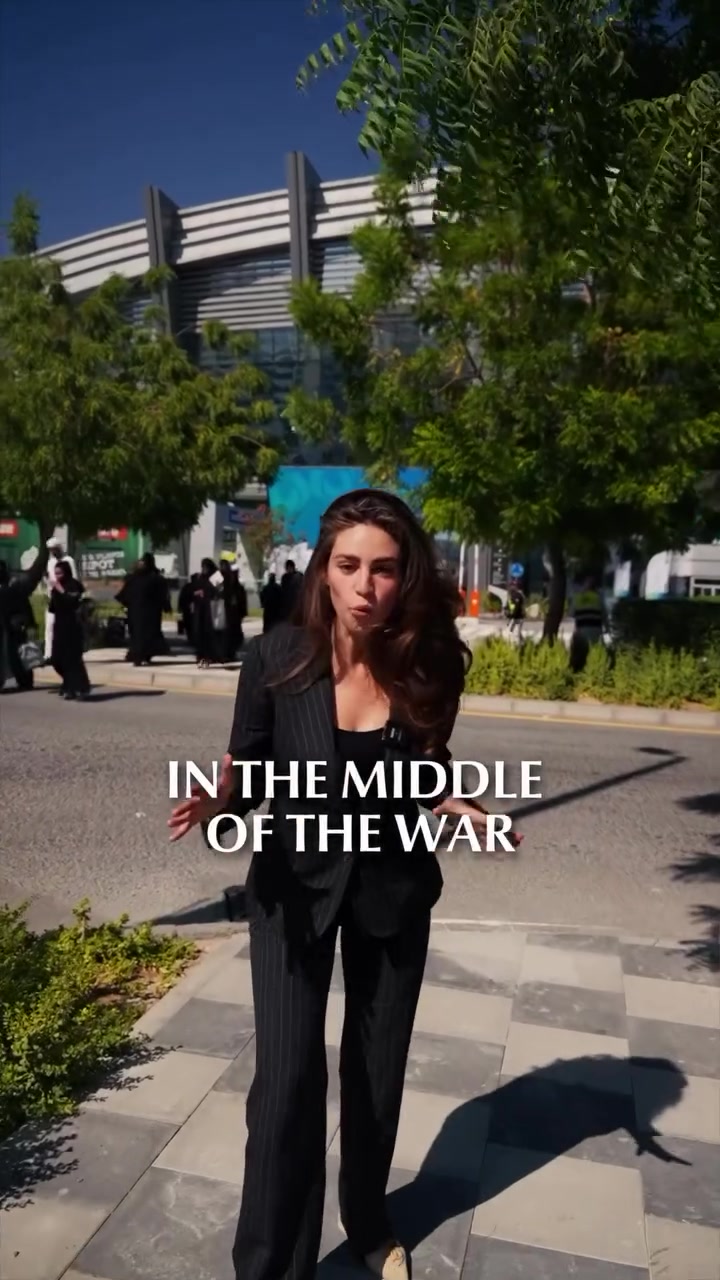
A Private gathering in the middle of a war-zone
I flew to the Middle East in the midst of war. My destination was a private meeting. A gathering of religious leaders from all over the world. The invitees represented faiths rarely seen together: Muslim, Christian, Jewish, Baha'i, Druze, and Hindu. The venue was the Dialogue of Civilizations and Tolerance Conference in Abu Dhabi, United Arab Emirates. The event is described as impossible — participants have divergent beliefs, cultures, and histories. Some even hail from regions currently at war.
In an Age of Polarization, the Power of Convergence
Events like the Dialogue of Civilizations and Tolerance Conference can seem out of place. The world often emphasizes division, anger, and discontent. But attendees of the conference buck this trend. They choose to share meals, stories, and beliefs. This is not an academic exercise but a community effort. They believe that the well-being of mankind can only be achieved through love and peace, and unity. Despite the obvious obstacles. Here, worlds collide in the best possible way. They encounter new ideas, cultures, and faiths. They learn that despite differences, the well-being of mankind is of the utmost importance. The experience is profoundly moving.
The Sacred and the Secular
An Unlikely Gathering
People cram into the conference with disparate beliefs and cultures. They gather despite regional conflicts. In such a place, their shared hope for life. Their recognition of shared destiny is stunning. These leaders have to walk a tightrope. The participants come from countries at war. Yet, despite their differences, everyone has come together. They share food, stories, and a vision for a hopeful world.
The Unseen Majority
It’s easy to believe that the loud few define our reality. Many see our world as one of endless conflict and hatred. Yet, these 30 women from different faiths prove otherwise. They are close to a reality more hopeful than we could believe.
Reinventions of Home
One Lebanese Israeli fled Lebanon. Another grew up in the West Bank. Some of the participants are advocates for peace. They are Israeli and they wish to know more about the region. These women are proof that the world unites in the most difficult times, and then it grows.
Practical Advice for Those Who Wish To Build Bridges
- Reach Out: If you intend to participate. It would help to make first contact with those you wish to talk to. Social media is a great place where friends can invite friends.
- Engage at the Table: Attend these gatherings. Have a meal with them. The shared intimacy of sharing a meal can reduce barriers and pave the way for honest exchange.
- Listen: Be open to other perspectives. Listen to the stories and experiences of others. Remember, the purpose is to understand, not to debate.
- Share Your Story: Open up about your experiences, beliefs, and values. Authenticity fosters trust and connection.
The Future Belongs to Bridge Builders
The unspoken message resonates deeply. It's a call to action for individuals in their everyday lives. In a world dominated by division, building bridges is key. The future belongs to those who dare to bridge the divide and show the world what's possible. It belongs to those who invest in mutual understanding and shared hope in a time of darkness.
Watch the Reel
Questions readers ask
What kinds of religious leaders attend the Dialogue of Civilizations and Tolerance Conference?
Religious leaders from diverse faiths, including Muslim, Christian, Jewish, Baha'i, Druze, and Hindu, attend the conference. These leaders come from various regions, some even from countries currently at war, making the gathering exceptionally unique and challenging.
How does the Dialogue of Civilizations and Tolerance Conference address polarization?
The conference addresses polarization by bringing together religious leaders from different backgrounds and beliefs. Through shared meals, stories, and discussions, attendees recognize their shared humanity and the importance of unity, love, and peace for the well-being of mankind.
What role do women play in the Dialogue of Civilizations and Tolerance Conference?
Women play a significant role. The article highlights 30 women from different faiths who demonstrate a more hopeful reality. Their presence and engagement contribute to the conference's mission of building bridges and fostering understanding.
What are some practical steps for those who want to build bridges like those at the conference?
The article suggests several practical steps. These include reaching out to others through social media, engaging in shared meals to build intimacy, actively listening to others' perspectives, and sharing your own experiences and beliefs to foster trust and connection.
How do the participants of the Dialogue of Civilizations and Tolerance Conference navigate the challenges of their diverse backgrounds?
Participants navigate their diverse backgrounds by focusing on their shared hope for life and their recognition of a shared destiny. Despite coming from countries at war, they come together to share food, stories, and a vision for a hopeful world, walking a tightrope of differing beliefs and cultures.
What is the significance of the location of the Dialogue of Civilizations and Tolerance Conference in Abu Dhabi, United Arab Emirates?
The location in Abu Dhabi, United Arab Emirates, adds a layer of significance. It's a neutral ground where religious leaders from warring nations can gather safely. The conference serves as an example of how peace and unity can be fostered even in a region marked by conflict.
Recent articles
Fresh deep dives from the latest Reels we unpacked.



Comments
Be the first to comment.