
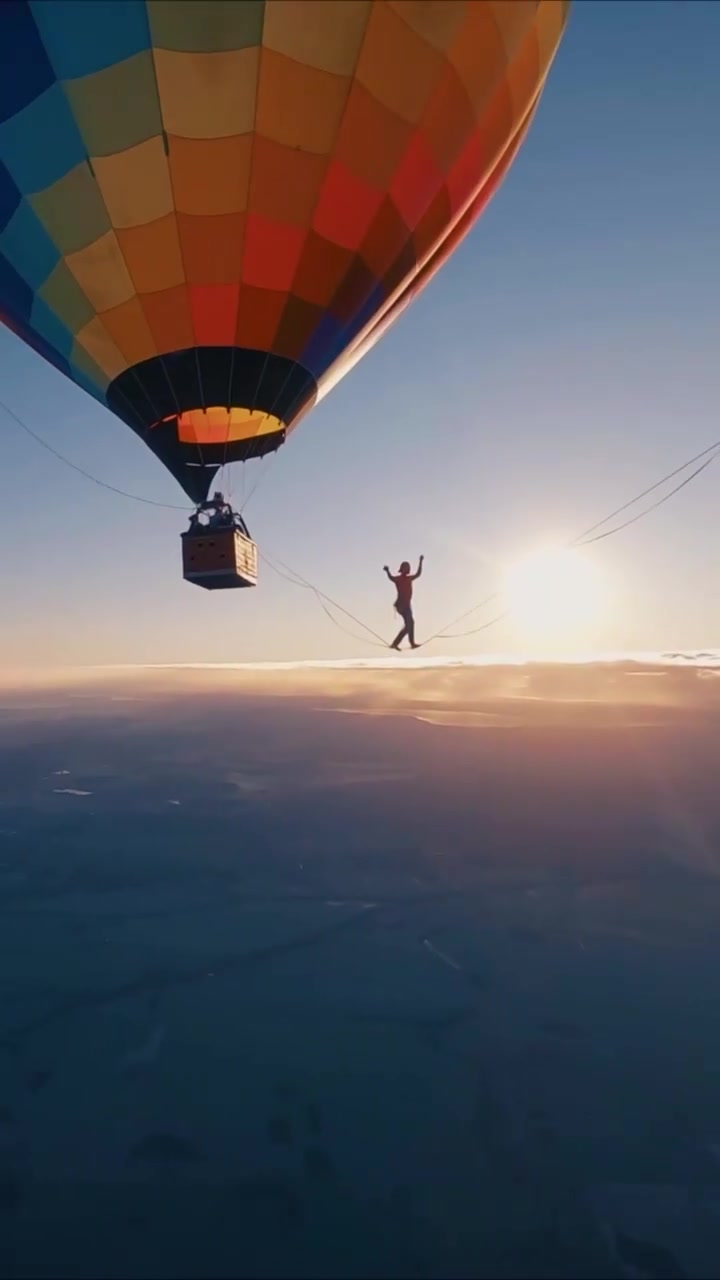
Walking on the Edge
The turkey vulture soars through the sky and descends; "You go down just like Holy Mary, Marry on a, Marry on a cross." The search for meaning in remote locations is a classic journey for many. Desert landscapes can be a place to look for peace, and spiritual meaning. The vast open space leaves room to perceive the world in a new way, not just the "physical space" but also the "daily routine". The journey is a solo trip. Many of its features are beautiful and serene, but we must ask why the creator had this journey and how it matter to wider audiences. Walking in these environments can unlock learning opportunities about ecology, emotions, and self-discovery. The trip also showcases the beauty of a desert landscape.
The Turkey Vulture Ecological Role
The trip is a deep dive into spirituality, natural and man-made beauty, and the great outdoors. The turkey vulture can be found in deserts, grasslands, savannas, and even in the wilderness. The turkey vulture is a large bird that’s often seen near carrion. Carrion is basically anything animal that’s dead. They are a species of scavenger. When we’re thinking about the things that these birds are doing for the environment, we’re thinking about the turkey vulture as a species that is cleaning up dead animals. They feed on dead animals. However there seems to be some significant risks to humankind. Turkey vultures can carry a bacterial pathogen called Clostridium perfringens. This is a bacteria that can cause illnesses. Since turkey vultures can carry and spread these bacteria, this can be a potential risk to humans. People should take precautions to avoid direct contact with vultures.
Desert Groundwalk Experience
The reptile population is another vibrant part of desert animal life. The sand dunes are filled with lizards, rattlesnakes, desert tortoises, and many other reptiles. These creatures thrive in desert ecosystems, where they have adapted to the harsh conditions. They are able to survive long periods of time without water. Desert tortoises are a particular treasure found in deserts. Turtles are known to carry salmonella. They are the largest tortoise species native to the United States and can live up to 80 years. Desert tortoises play a crucial role in maintaining a healthy ecosystem. They help with seed dispersal and create burrows that provide shelter for other desert animals. They are able to survive in this environment by digging burrows and hiding in them to stay cool. Deserts are also home to a unique variety of reptiles, including lizards and rattlesnakes. These reptiles are adapted to survive in the desert's harsh conditions, where water can be scarce and temperatures can be extreme.
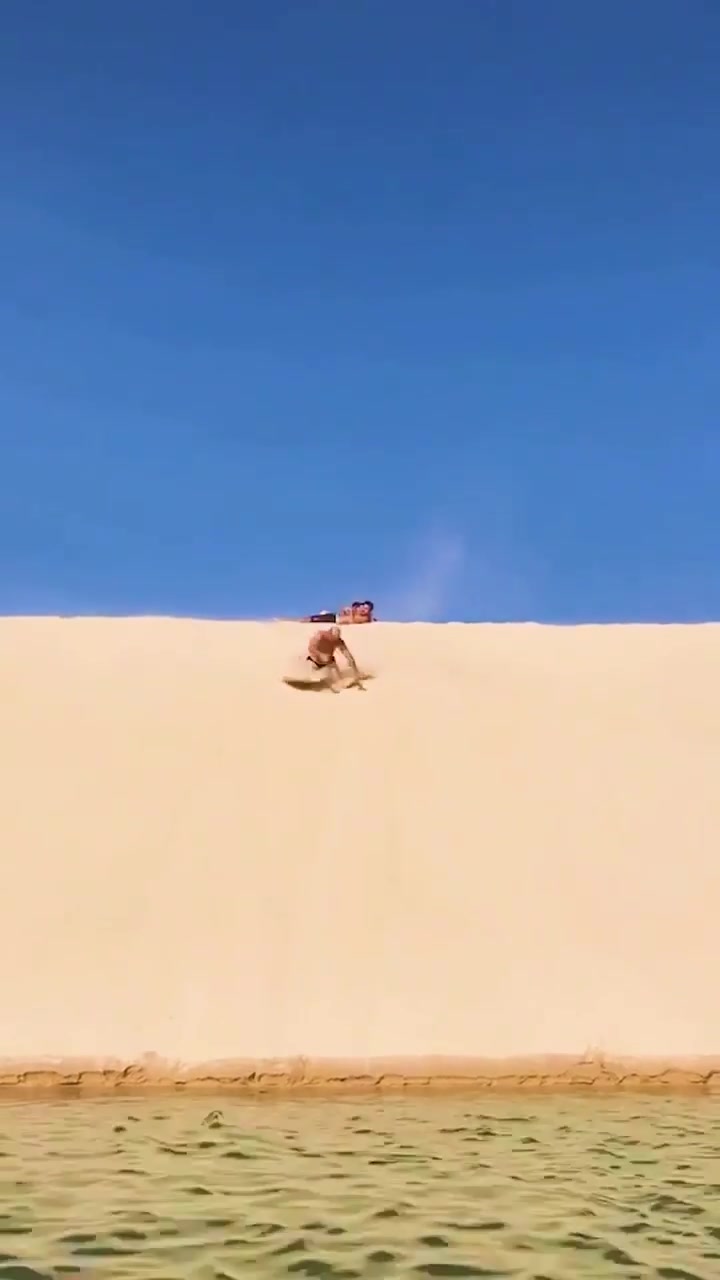
Surfing the Dunes
Water is scarce, but humans still make pilgrimages here. Dunes are formed when wind picks up sand and deposits it in a specific area. This creates a unique landscape with hills and valleys made entirely of sand. The reefs that form in these environments push the sand into even more defined and deep waves. These reefs also help to stabilize the sand, preventing it from being blown away by the wind. The reefs that form as a result of coral create a very unique set of sightseeing opportunities. While the sights are beautiful, the risks of being in this area are very high. The height of the dunes and sand waves pose the threat of a fall, and the instability of the area can make it easy to get lost. The reefs and dunes are also home to a variety of wildlife and, while beautiful, can be dangerous.
Turf War
Human interference in unique places causes the environment's water sources to disappear. Desertification is a serious threat. Not only can this cause water to disappear but it also causes sand to shift constantly, making construction and living in the area very difficult. Desertification causes harm to the ecology, but human intervention can help to solve some of these problems. With proper conservation, education and management, the desert is a beautiful location to explore, but care must be taken to protect the environment.
How to Explore Your Open Space
Deserts are open in many ways to many kinds of recreation and exploration.
- Preparation: Spend time researching the area before your trip. Make sure you have the right gear and equipment, such as a map, compass, water, and a first-aid kit. Also, prepare yourself physically and mentally for the challenges of the desert.
- Safety: Stay on marked trails and avoid walking alone. Be aware of wildlife and take precautions to avoid encounters. Always carry a first-aid kit and know how to use it.
- Leave No Trace: Pack out all trash and minimize your impact on the environment. Stay on designated trails and avoid disturbing wildlife. Use Leave No Trace principles to ensure that the desert remains beautiful for future visitors.
- Respect Wildlife: Observe wildlife from a distance and do not approach or feed them. Wildlife require space and a peaceful place to live, and that's what we should give them.
Watch the Reel
Questions readers ask
What makes the turkey vulture's descent into the desert so distinctive, and how does it relate to the overall desert ecosystem?
The turkey vulture's descent into the desert produces a unique, almost eerie melody that hints at the vast ecosystem beneath. This bird plays a crucial role in the desert by scavenging dead animals, which helps clean the environment and recycle nutrients back into the soil.
How do desert landscapes influence personal spirituality and self-discovery?
Desert landscapes offer a serene and expansive environment that can foster spiritual tranquility and self-discovery. The vast, open spaces encourage a shift in perspective, allowing individuals to reflect on their daily routines and find deeper meaning in their lives.
What specific ecological roles do desert reptiles, like the desert tortoise, play in their habitats?
Desert reptiles, including the desert tortoise, are vital to their ecosystems. Tortoises help disperse seeds and create burrows that provide shelter for other animals. Their ability to survive harsh conditions, such as extreme temperatures and scarce water, contributes to the overall health and balance of the desert environment.
What precautions should I take if I encounter a turkey vulture during my desert exploration?
While turkey vultures are essential for the ecosystem, they can carry bacteria like Clostridium perfringens, which can cause illnesses in humans. It's best to avoid direct contact with these birds and maintain a safe distance to prevent any potential health risks.
What are the unique landscape features of deserts, and how do they influence the environment?
Deserts feature unique landscapes like sand dunes, created by wind picking up and depositing sand. These dunes, along with reefs formed by coral, shape the terrain and stabilize the sand, preventing it from being blown away. The resulting hills and valleys form a distinctive environment that supports a variety of desert-adapted species.
How do desert reptiles adapt to the harsh conditions of their environment?
Desert reptiles, including lizards, rattlesnakes, and tortoises, have developed adaptations to thrive in harsh desert conditions. For example, desert tortoises dig burrows to stay cool, and many reptiles can survive long periods without water, making them well-suited to the desert's extreme temperatures and scarcity of resources.
What is the significance of the turkey vulture's role in the desert ecosystem, and how does it differ from its roles in other environments?
In the desert, as well as in grasslands and savannas, turkey vultures play a crucial role by feeding on dead animals, helping to keep the environment clean. Their scavenging behavior is particularly important in the desert, where resources are scarce, and decomposition can be slow due to the harsh conditions.
Related deep dives
Similar reads based on topic and creator.




Recent articles
Fresh deep dives from the latest Reels we unpacked.

Comments
Be the first to comment.