Dental Tourism Savings
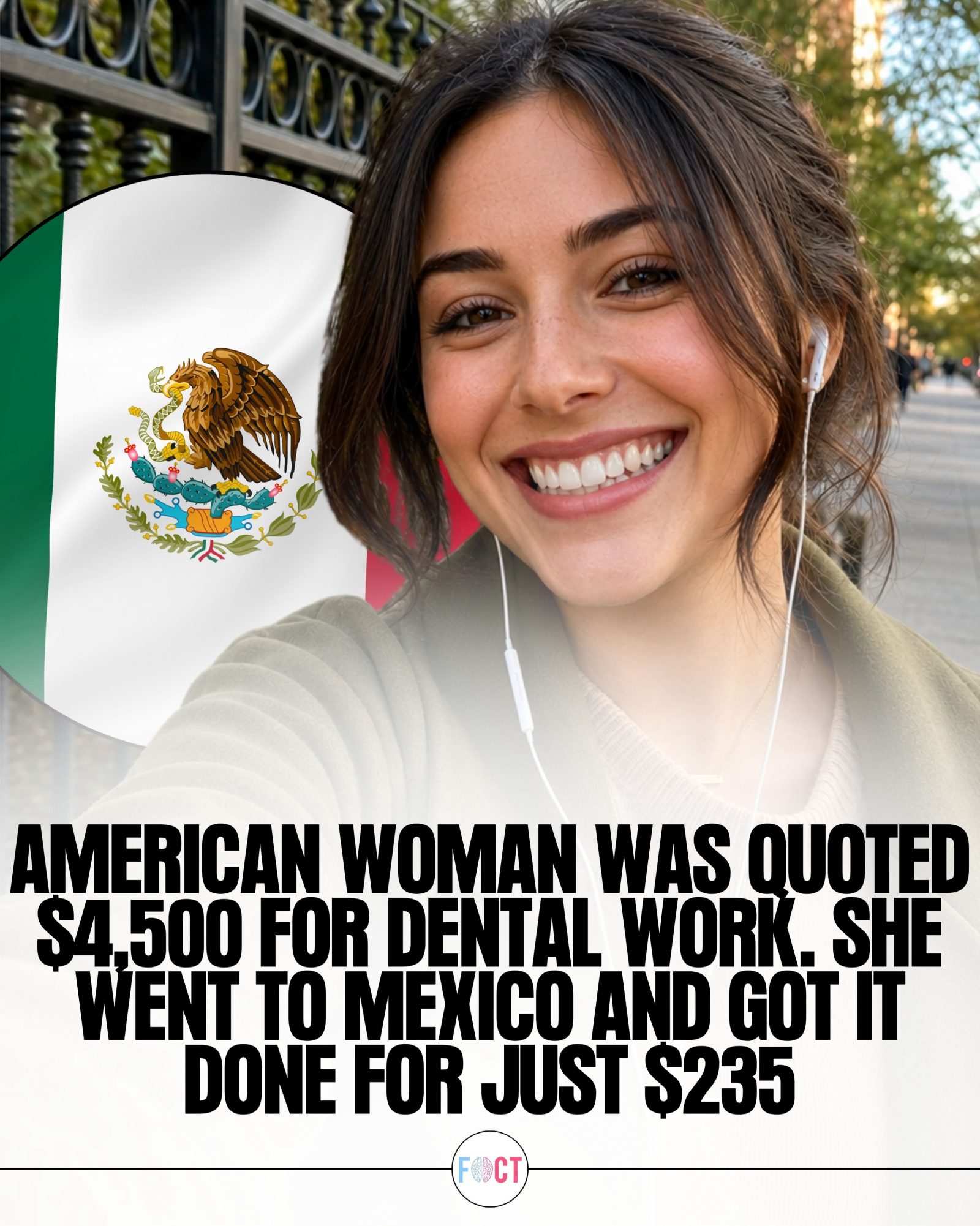
Dental tourism, particularly to Mexico, has gained significant attention due to the stark contrast in costs compared to the United States. The phenomenon is highlighted by a recent viral story of an American woman who was quoted $4,500 for dental work in the U.S. but managed to have the same procedures done in Mexico for just $235. This dramatic price difference has sparked a renewed interest in the potential savings and considerations of dental tourism.
Why This Matters
The rising cost of healthcare in the United States has led many to explore alternative solutions for medical and dental care. Dental procedures, in particular, can be prohibitively expensive, making dental tourism an attractive option for those seeking more affordable treatment. The cost savings can be substantial, as evidenced by the $4,500 to $235 price difference in the viral story. Such dramatic disparities encourage further exploration into the benefits and risks of seeking dental care abroad.
What is Dental Tourism?
Dental tourism involves traveling to another country to receive dental care. This practice is often driven by the lower cost of dental procedures in other countries compared to the U.S. Mexico, in particular, has become a popular destination for Americans seeking dental care due to its proximity and lower costs. Other popular destinations include Costa Rica, Thailand, and Hungary.
Dental Tourism to Mexico
Mexico has long been a go-to destination for dental tourism, especially for Americans. The country's close proximity to the U.S. border makes it an accessible choice for those seeking dental procedures. The cost savings can be substantial, with some procedures costing a fraction of what they would in the United States.
Cost Savings
The cost savings in dental tourism can be substantial. For example, a procedure that might cost $4,500 in the U.S. could cost as little as $235 in Mexico. This dramatic difference is a significant draw for those looking to save money on dental care. However, prices can vary widely, so it's essential to research and compare costs carefully. The initial quote of the woman in the viral story was about $800 in Mexico, but after an in-person evaluation, the final bill dropped even further due to deemed unnecessary procedures.
Quality of Care
While cost savings are a significant factor in dental tourism, the quality of care is equally important. Mexico has a number of highly qualified dentists and modern dental clinics that offer high-quality care. Many dentists in Mexico have received training in the United States or other countries, ensuring that they meet international standards of care.
However, it's crucial to conduct thorough research before choosing a dental clinic abroad. Seek recommendations, read reviews, and look for certifications and accreditations. Always make sure to check the qualifications of the dentist and the clinic's reputation.
Proximity and Accessibility
One of the significant advantages of choosing Mexico for dental tourism is its proximity to the United States. The short travel time makes it a convenient option for those seeking dental care. Additionally, many clinics in border cities like Tijuana and Mexicali cater specifically to American patients, offering services in English and accommodating American dental standards.
Risks and Considerations
While dental tourism can offer significant cost savings, it also comes with certain risks and considerations. It's essential to weigh the potential benefits against the drawbacks before making a decision.
Language Barriers
Communication can be a significant barrier when seeking dental care abroad. While many clinics in Mexico cater to American patients and offer services in English, there may still be language barriers that need to be navigated. Ensure that your dentist and clinic staff can communicate effectively in a language you understand to avoid misunderstandings and potential complications.
Travel and Recovery
Traveling for dental procedures can also be physically demanding, especially if extensive work is required. Recovery time may be affected by the need to travel back home, and post-procedure follow-up care may not be as accessible. Plan your trip carefully, allowing enough time for recovery and follow-up appointments.
Legal and Insurance Considerations
Another consideration is the legal and insurance implications of dental tourism. Dental procedures abroad may not be covered by your U.S. insurance, and seeking care in another country may have legal implications. Always check with your insurance provider and consult with a legal expert if necessary.
Practical Tips for Dental Tourism
If you're considering dental tourism, here are some practical tips to help you make informed decisions and ensure a positive experience.
Research and Planning
Thorough research and planning are crucial when considering dental tourism. Look for reputable clinics and dentists, read reviews, and seek recommendations from previous patients. Ensure that the dentist and clinic meet international standards of care and have the necessary qualifications and certifications.
Consultations and Second Opinions
Always seek multiple professional opinions before making major dental decisions. The viral story highlights the importance of second opinions, as the woman found that she did not need several of the procedures she had originally been told were necessary. Consult with your current dentist or a specialist before deciding to seek care abroad.
Communication and Documentation
Ensure clear communication with your dentist and clinic staff, and get all necessary documentation, including treatment plans, x-rays, and prescriptions. Keep detailed records of your dental history and any treatments you receive abroad. These records can be invaluable if you need to seek follow-up care in the U.S.
Post-Procedure Care
Plan for post-procedure care and follow-up appointments carefully. Discuss any necessary follow-up care with your dentist and ensure that you have access to appropriate care once you return home. Be prepared for any potential complications and have a plan in place to address them.
Important Takeaways
Dental tourism, particularly to Mexico, can offer significant cost savings and high-quality care. However, it's essential to weigh the potential benefits against the risks and considerations. Always research and plan carefully, seek multiple professional opinions, and ensure clear communication with your dentist and clinic staff. Remember that one viral story should not be taken as proof of your experience. Each dental clinic or provider has a different reputation; therefore, it is essential to perform your own research and seek multiple professional opinions.
Conclusion
Dental tourism to Mexico offers a compelling option for those seeking more affordable dental care. The cost savings can be substantial, and the quality of care can be high. However, it's essential to approach dental tourism with caution, conducting thorough research, and considering all potential risks and benefits. With careful planning and preparation, dental tourism can be a positive experience that offers significant cost savings and high-quality dental care.
Watch the Reel
Questions readers ask
How much can I expect to save on dental work in Mexico compared to the US?
Savings can be substantial. For instance, a procedure priced at $4,500 in the US might cost around $235 in Mexico. Always get quotes from both US and Mexican clinics for a clear comparison.
Is the quality of dental care in Mexico comparable to the US?
Many Mexican dental clinics adhere to high standards and use modern equipment. However, it's crucial to research and choose accredited clinics with good reviews to ensure quality care.
What are the most common dental procedures sought in Mexico?
Common procedures include teeth whitening, fillings, crowns, root canals, and dental implants. These procedures are often significantly cheaper in Mexico than in the US.
How do I find reputable dental clinics in Mexico?
Look for clinics with international accreditations, such as those recognized by the American Dental Association. Online reviews and testimonials from previous patients can also provide valuable insights.
What additional costs should I consider when planning dental tourism to Mexico?
Besides the procedure cost, consider travel expenses, accommodation, and potential follow-up care. Some clinics may offer package deals that include these additional costs.
Is it safe to travel to Mexico for dental work?
Mexico is generally safe for tourists, including those seeking dental care. However, it’s advisable to stay in tourist areas, avoid isolated locations, and follow standard safety precautions.
What are the potential risks of dental tourism in Mexico?
Risks include language barriers, travel-related stressors, and potential complications requiring follow-up care. It’s important to thoroughly research clinics and consider the pros and cons before making a decision.
Related deep dives
Similar reads based on topic and creator.




Recent articles
Fresh deep dives from the latest Reels we unpacked.



Comments
Be the first to comment.