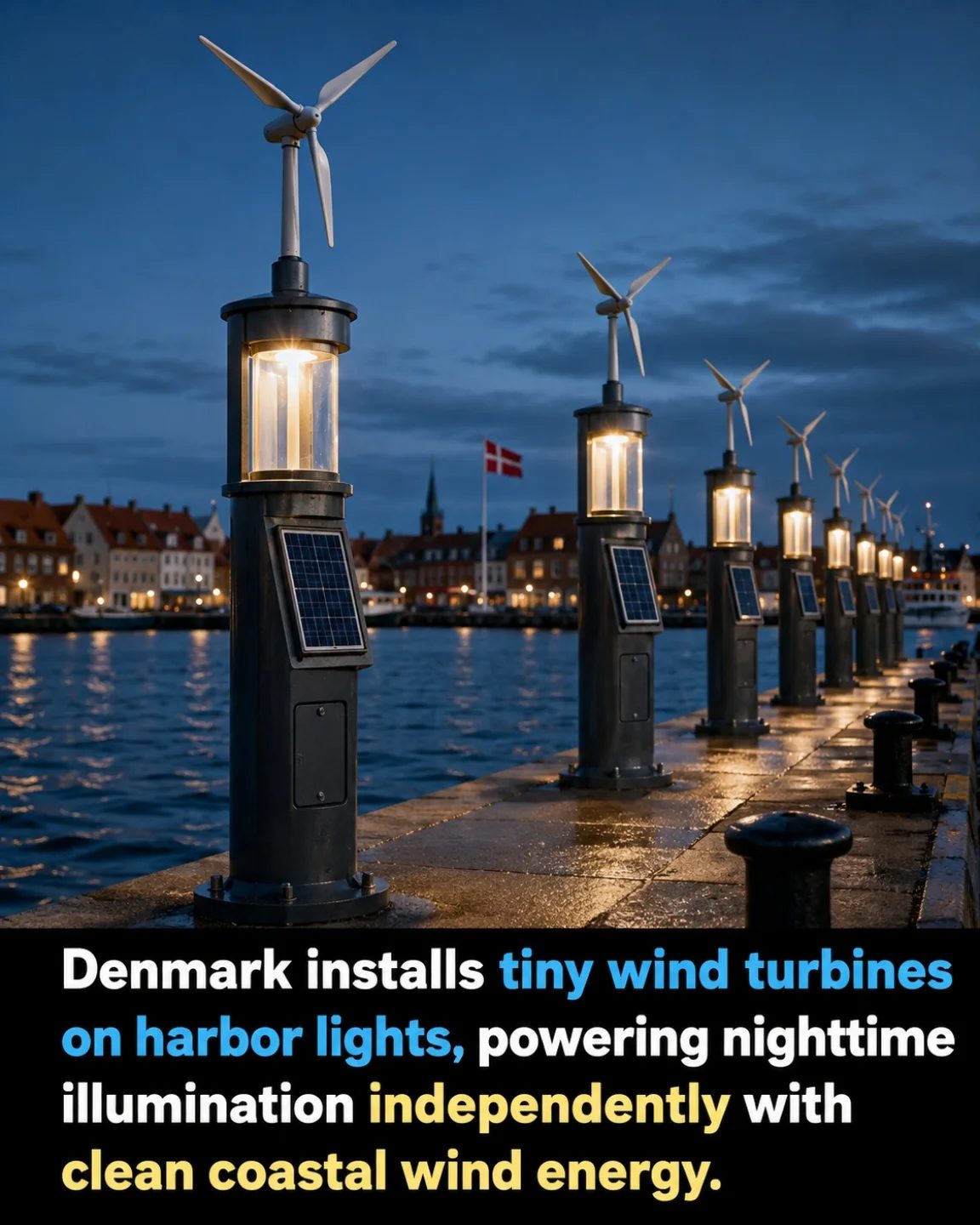
Wind Turbine Harbor Lights: Harnessing Coastal Winds for Sustainable Illumination
Denmark has pioneered an innovative approach to renewable energy by installing tiny wind turbines on harbor lights. These small turbines power the nighttime illumination of the harbor independently, utilizing the clean, abundant energy available along the coast. This unique implementation showcases a harmonious blend of sustainability and practicality.
Why this matters
As the world seeks sustainable solutions to energy challenges, innovative projects like Denmark's wind turbine harbor lights offer a compelling model for integrating renewable energy into everyday infrastructure. By harnessing coastal winds to power essential lighting, this approach not only reduces dependence on traditional energy sources but also minimizes the environmental impact.
Main discussion
The Concept and Implementation
The concept of installing wind turbines on harbor lights is both simple and ingenious. These tiny turbines are strategically placed on the harbor lights, allowing them to capture the coastal winds and convert that kinetic energy into electricity. This electricity is then used to power the illumination of the harbor at night. The turbines are designed to operate independently, eliminating the need for external power sources and reducing the carbon footprint of the harbor's lighting system.
Benefits of Wind Turbine Harbor Lights
- Renewable Energy: By utilizing wind energy, these turbines provide a sustainable source of power, reducing reliance on fossil fuels and minimizing greenhouse gas emissions.
- Independence: The turbines operate independently, ensuring consistent lighting even during power outages or grid disruptions.
- Cost-Effective: Over time, the use of wind energy can significantly reduce electricity costs associated with harbor lighting.
- Minimal Environmental Impact: The small size and integration of the turbines with existing infrastructure means they have a minimal visual impact on the landscape.
Key Points of the System
The system's design and operation are carefully considered to maximize efficiency and reliability. The turbines are engineered to withstand the marine environment, ensuring durability and longevity. They are also designed to operate efficiently even in variable wind conditions, making them suitable for coastal areas where wind patterns can be unpredictable.
Practical tips
Evaluating Suitability for Your Location
If you're considering a similar implementation for your harbor or other maritime infrastructure, there are several factors to evaluate:
- Wind Conditions: Assess the average wind speed and consistency in your area. Coastal regions with consistent winds are ideal for such installations.
- Infrastructure: Ensure that your existing lighting infrastructure can accommodate the addition of wind turbines. This may involve modifications or upgrades.
- Maintenance: Consider the maintenance requirements and logistics of installing and maintaining the turbines in a marine environment.
Steps for Implementation
- Feasibility Study: Conduct a thorough feasibility study to evaluate the potential benefits and challenges of installing wind turbines on your harbor lights.
- Vendors and Suppliers: Engage with reputable vendors and suppliers who specialize in renewable energy solutions for maritime infrastructure.
- Installation and Testing: Work with experienced engineers to install the turbines and conduct thorough testing to ensure they meet your operational requirements.
Important takeaways
- Denmark's innovative use of wind turbines on harbor lights demonstrates a practical and sustainable approach to powering essential infrastructure.
- The system utilizes clean coastal wind energy, reducing reliance on fossil fuels and minimizing environmental impact.
- This model can be adapted to other coastal areas and maritime infrastructure, providing a reliable and cost-effective solution for lighting.
Conclusion
Denmark's installation of tiny wind turbines on harbor lights is a testament to innovative renewable energy solutions. By harnessing the power of coastal winds to illuminate harbors independently, this approach not only promotes sustainability but also ensures reliable and cost-effective lighting. As more regions explore similar initiatives, the future of maritime infrastructure could see a significant shift towards renewable energy, benefiting both the environment and local communities.
Watch the Reel
Questions readers ask
What are wind turbine harbor lights and where can they be found?
Wind turbine harbor lights are small wind turbines installed on harbor lights, generating power from coastal winds. They can be found in Denmark, where they provide eco-friendly illumination to harbors.
How do wind turbine harbor lights benefit the environment?
Harbor wind turbine lights offer an eco-friendly lighting solution, minimizing the carbon footprint by using clean, renewable energy generated by coastal winds.
How do wind turbine harbor lights operate independently of the main power grid?
These lights operate independently by harnessing the power of coastal wind energy, which is converted into electricity by the small turbines. This means they do not rely on traditional power sources.
What makes Denmark's approach to harbor lighting unique?
Denmark's use of wind turbine harbor lights is unique due to its integration of renewable energy into practical infrastructure, providing consistent and sustainable illumination for harbors.
Are there plans to expand the use of wind turbine harbor lights beyond Denmark?
While the article does not specify expansion plans, the success of Denmark's project could inspire similar initiatives in other coastal regions. The concept is adaptable to other places with consistent coastal winds.
What are the main advantages of using wind turbine harbor lights?
The main advantages include reduced dependence on traditional energy, lower environmental impact, and a reliable lighting source that operates independently.
Related deep dives
Similar reads based on topic and creator.




Recent articles
Fresh deep dives from the latest Reels we unpacked.




Comments
Be the first to comment.