AI Copyright Law in Denmark
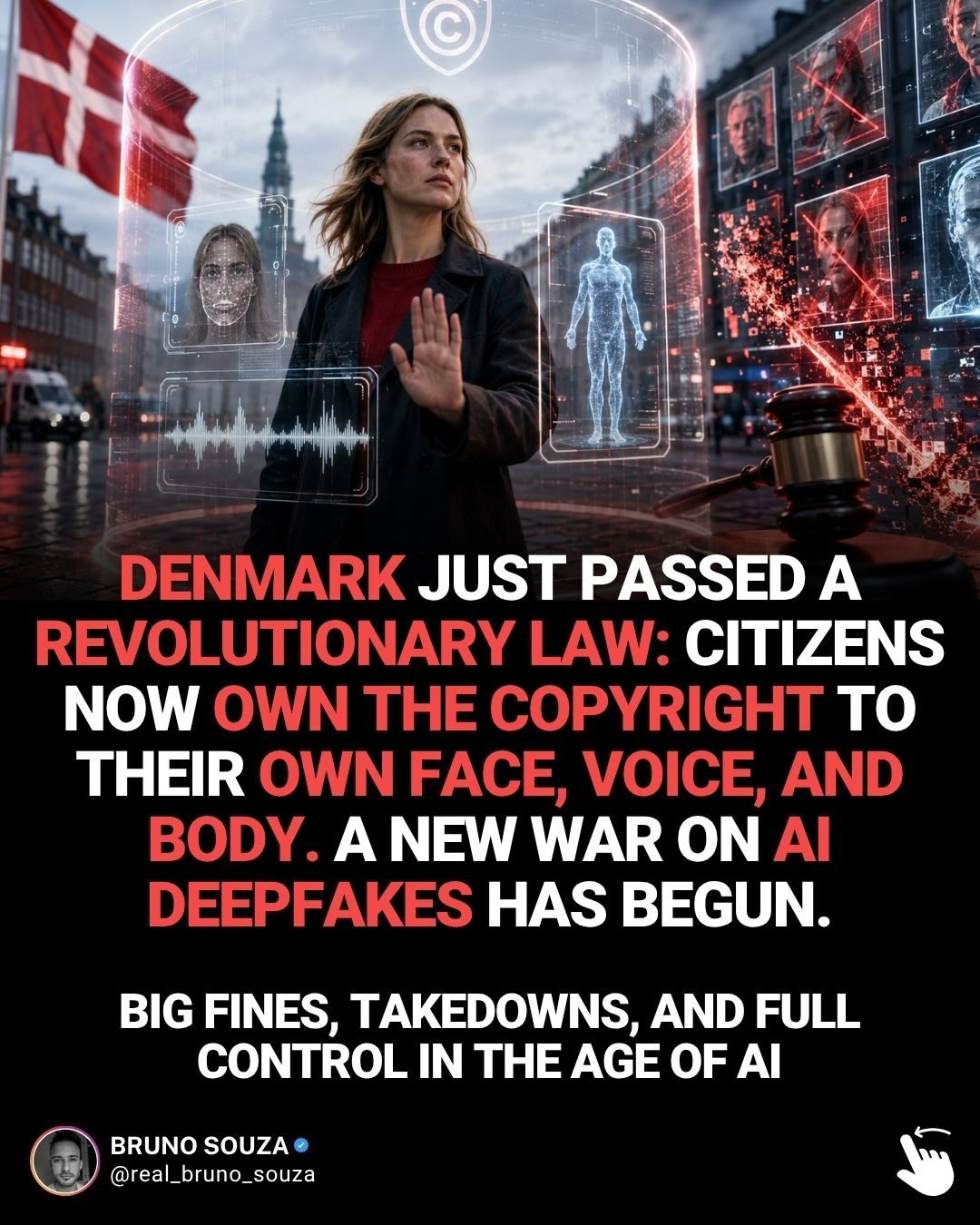
Denmark has recently implemented groundbreaking legislation that grants citizens copyright over their own likeness, voice, and physical appearance. This law is a significant step in addressing the challenges posed by deepfakes and other AI-related misuses, offering citizens greater control over their digital identities. The law includes provisions for substantial fines for platforms that fail to remove flagged content, mandatory takedown systems, and enhanced oversight to track AI misuse across the web.
Why this matters
In the digital age, the misuse of personal likeness and voice can have severe consequences, from defamation to financial fraud. This new law in Denmark aims to mitigate these risks by giving individuals more control over their digital identities. It's a bold move that could set a precedent for other countries grappling with similar issues.
The Scope of the Law
The law covers three main areas: face, voice, and body. This means that individuals have the right to control how their facial features, vocal characteristics, and physical appearance are used in digital media. This is a comprehensive approach that acknowledges the multifaceted ways in which AI can be misused.
Main discussion
Deepfakes and Digital Identity
Deepfakes, which are AI-generated synthetic media, have become a significant concern. These technologies can create highly convincing but fake videos or audio recordings, often used for malicious purposes. The new Danish law directly addresses this issue by making it illegal to use someone's likeness without their consent.
Platform Responsibility
One of the standout features of this law is the responsibility it places on platforms. Any platform found to be hosting content that uses someone's likeness without consent is subject to significant fines. This provision is designed to incentivize platforms to implement robust systems for flagging and removing such content quickly.
Mandatory Takedown Systems
The law mandates that platforms must have systems in place to remove flagged content swiftly. This includes automated systems that can quickly identify and remove unauthorized uses of someone's likeness. Platforms that fail to comply with these requirements face hefty fines, ensuring that they take the issue seriously.
Oversight and Enforcement
To ensure compliance, the law includes provisions for oversight. This means that there will be regulatory bodies monitoring the use of AI and digital media to ensure that individuals' rights are protected. The oversight includes tracking AI misuse across the web, making it a comprehensive approach to protecting digital identities.
Global Implications
Denmark's new law could set a global precedent. As AI technologies become more advanced and accessible, the risk of misuse increases. Other countries may look to Denmark's approach as a model for protecting their citizens' digital identities. This law could influence international standards and regulations, making it a significant development in the field of digital rights.
The Cultural Context
Danish culture minister Jakob Engel-Schmidt has emphasized that this law is more than just regulation—it's a declaration of human rights updated for the digital age. This underscores the cultural significance of the law, which aims to protect individuals' fundamental rights in the era of AI and digital media.
Practical tips
For Individuals
- Understand Your Rights: Familiarize yourself with the specifics of the law to know exactly what rights you have over your digital identity.
- Report Misuse: If you find that your likeness, voice, or body is being used without your consent, report it to the relevant authorities immediately.
- Stay Informed: Keep up-to-date with any changes in the law or additional protections that may be introduced.
For Platforms
- Implement Robust Systems: Ensure that your platform has systems in place to quickly identify and remove flagged content.
- Train Staff: Make sure your staff is trained to recognize and handle cases of AI misuse.
- Comply with Regulations: Understand the legal requirements and ensure that your platform is fully compliant to avoid fines.
For Businesses Using AI
- Obtain Consent: Always obtain explicit consent from individuals before using their likeness, voice, or body in your products or services.
- Use Ethics Guidelines: Follow ethical guidelines for AI use to ensure that you are respecting individuals' rights.
- Stay Updated: Keep abreast of changes in regulations and adapt your practices accordingly.
Important takeaways
- Denmark's new law grants citizens copyright over their likeness, voice, and body, providing a comprehensive approach to protecting digital identities.
- Platforms face significant fines for failing to remove flagged content, incentivizing them to implement robust takedown systems.
- The law includes provisions for oversight and enforcement, ensuring that AI misuse is tracked and addressed.
- This legislation could set a global precedent for protecting digital identities in the age of AI.
Conclusion
Denmark's pioneering law on AI copyright is a significant step forward in protecting individuals' digital identities. By giving citizens control over their likeness, voice, and body, and holding platforms accountable for misuse, the law sets a high standard for digital rights. As AI technologies continue to evolve, this law serves as a model for how other countries can address the challenges posed by deepfakes and other forms of AI misuse.
Watch the Reel
Questions readers ask
How does Denmark's new AI law protect citizens from deepfakes?
Denmark's new AI law empowers citizens by allowing them to control the use of their likeness, voice, and physical appearance. This law helps prevent deepfakes by enabling individuals to flag and demand the removal of misleading or unauthorized content, with platforms facing significant fines for non-compliance.
What are the penalties for platforms that do not comply with the AI law in Denmark?
Platforms that fail to comply with Denmark's AI law face substantial fines. They are required to implement mandatory takedown systems to remove flagged content promptly. Non-compliance can result in stringent penalties, encouraging platforms to take AI misuse seriously.
How does the new law in Denmark enhance citizen control over digital identities?
The law grants citizens ownership over their digital identities, including their face, voice, and body. This ownership allows individuals to control how their likeness is used, ensuring that their digital identities are protected and not misused by others.
What oversight measures are in place to monitor AI misuse in Denmark?
Denmark's AI law includes robust oversight measures to track and address AI misuse comprehensively. These measures ensure that platforms are held accountable for the content they host, and citizens have recourse if their digital identities are misused.
What steps must platforms take to comply with Denmark's AI legislation?
Platforms must implement mandatory takedown systems to remove content flagged by citizens as misusing their digital identities. They are also required to monitor and prevent AI misuse proactively, with strict oversight to ensure compliance and avoid substantial fines.
What actions can citizens take if they find their likeness misused online?
If citizens find their likeness, voice, or physical appearance misused online, they can flag the content and request its removal. Platforms are obligated to comply with these requests promptly. If a platform fails to act, citizens can report the issue to relevant authorities, who will enforce the law and impose fines if necessary.
Related deep dives
Similar reads based on topic and creator.




Recent articles
Fresh deep dives from the latest Reels we unpacked.




Comments
Be the first to comment.