Denmark’s New Sperm Bank Rule: IQ Thresholds and Donor Criteria
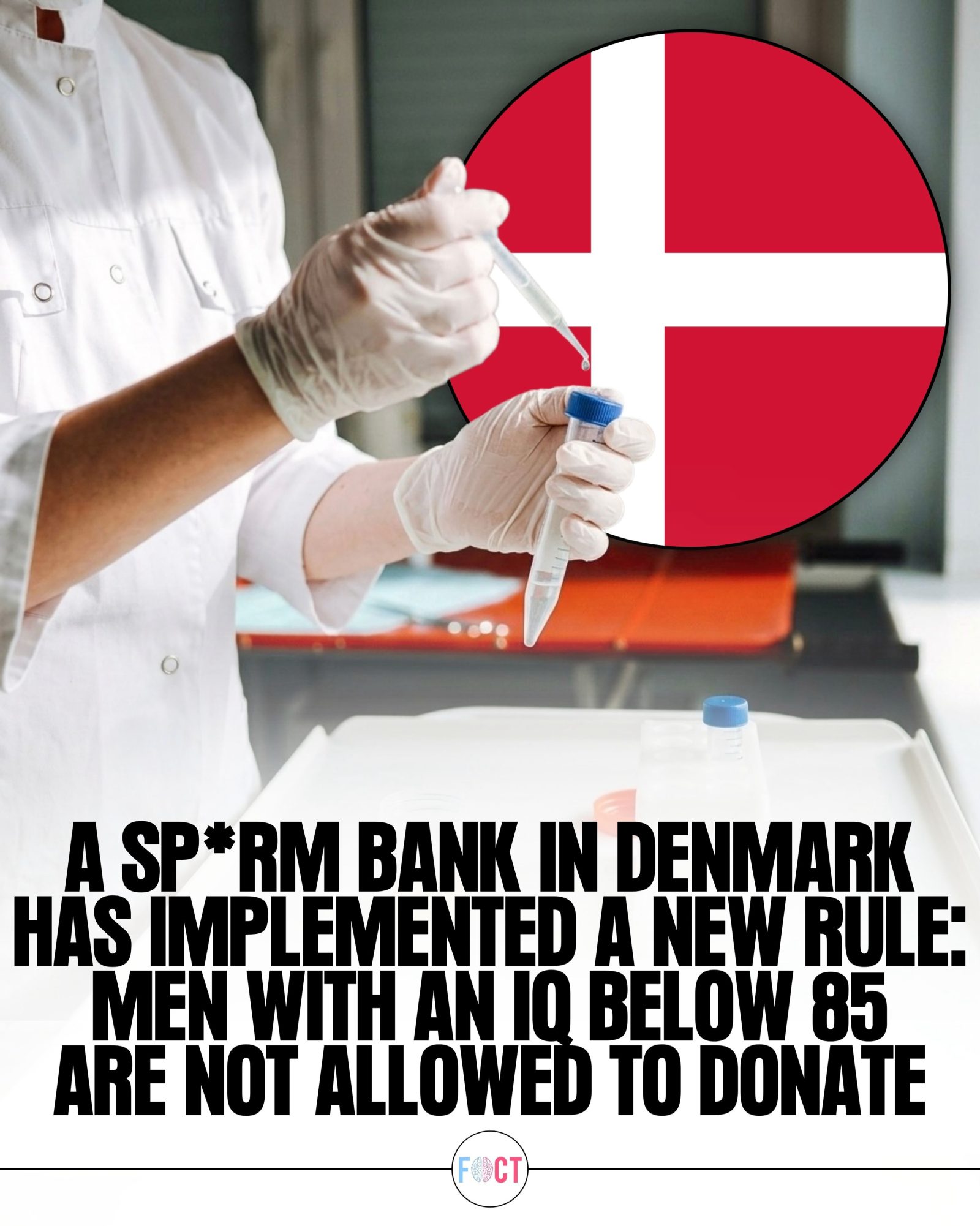
Private sperm banks in Denmark have introduced a new policy that has sparked considerable debate. Certain clinics have implemented a rule restricting sperm donations from men with an IQ below 85. This policy, while not a national law, is part of the screening process adopted by some private sperm banks. The rule raises broader questions about who decides what traits are considered desirable in donor candidates, and how these decisions impact the broader social conversation on genetic selection.
Context / Why this matters
The decision to restrict sperm donations based on IQ is not an isolated incident. Private sperm banks often set their own donor criteria, which can include a variety of factors such as education level, health history, and IQ benchmarks. These criteria are designed to ensure that potential donors meet certain standards, aiming to provide the best possible outcomes for recipients.
The implementation of an IQ threshold, however, adds a new layer of complexity to the discussion. It raises questions about the fairness and ethics of such criteria, as well as the potential implications for societal perceptions of intelligence and genetic inheritance.
Main discussion
The Role of IQ in Donor Selection
Intelligence, as measured by IQ, is just one of several factors that sperm banks consider when screening potential donors. While IQ scores are meant to provide a standardized measure of cognitive ability, they are not without their controversies. Critics argue that IQ tests can be culturally biased and may not accurately reflect a person’s true cognitive abilities. Additionally, the use of IQ as a selection criterion raises concerns about the potential for eugenics, whereby certain traits are deemed more desirable than others.
Other Donor Criteria
Beyond IQ, sperm banks also consider other factors, including education level and health history. Education level can serve as a proxy for intelligence and overall health, as individuals with higher education levels tend to have better health outcomes. Health history is crucial because it can indicate the presence of genetic conditions that may be passed on to offspring.
The Danish Context
In Denmark, the decision to implement an IQ threshold is a policy adopted by certain private clinics rather than a national law. This means that different clinics may have varying criteria, and the IQ threshold is just one of many possible screening methods. However, the fact that such a policy exists at all underscores the broader conversation about who gets to decide what traits are desirable in donors.
Practical tips
If you are considering donating sperm, it’s essential to understand the criteria set by different sperm banks. While some clinics may prioritize IQ, others may focus on different factors. Here are some tips to help you navigate the process:
Research Different Clinics
Different sperm banks have varying criteria for donors. Research several clinics to understand their specific requirements. Some may have stricter guidelines, while others may be more lenient. This will help you identify the best fit for your situation.
Be Prepared for Screening
The screening process for sperm donation can be rigorous. Be prepared to undergo medical and psychological evaluations, as well as genetic testing. Knowing what to expect can help alleviate some of the stress associated with the process.
Consider Your Motivation
Before donating, consider your motivation. Are you donating for financial reasons, altruistic reasons, or both? Understanding your motivation can help you decide whether donating is the right choice for you.
Understand the Implications
Donating sperm has long-term implications, both for you and any potential offspring. Consider the potential impact on your life and the lives of others. This includes both the emotional and legal aspects of sperm donation.
Important takeaways
- IQ is just one of many criteria used by sperm banks to screen potential donors.
- The use of IQ as a selection criterion raises ethical and fairness concerns.
- Private sperm banks in Denmark have implemented varying donor criteria, which can include education level, health history, and IQ benchmarks.
- The decision to restrict donations based on IQ is part of a broader conversation about genetic selection and who gets to decide what traits are desirable.
Conclusion
The implementation of an IQ threshold by certain private sperm banks in Denmark highlights the complex and often controversial nature of donor selection criteria. While the goal of these criteria is to ensure the best possible outcomes for recipients, the use of IQ as a selection criterion raises important questions about fairness, ethics, and the potential for eugenics.
Watch the Reel
Questions readers ask
What is the IQ threshold set by some private sperm banks in Denmark?
Some private sperm banks in Denmark have implemented a policy that restricts sperm donations from men with an IQ below 85. This means that potential donors must meet or exceed this IQ threshold to be considered eligible.
Is the IQ threshold for sperm donors a national law in Denmark?
No, the IQ threshold is not a national law. It is a policy adopted by some private sperm banks as part of their screening process for donor candidates.
What other criteria might private sperm banks in Denmark use for donor selection?
Private sperm banks in Denmark may consider a variety of factors beyond IQ, such as health records, genetic history, and personal characteristics. These criteria can vary widely between different clinics.
Why has the IQ threshold policy sparked debate in Denmark?
The policy has raised questions about fairness and ethics. Critics argue that selecting donors based on cognitive abilities could lead to unfair exclusions and broader social implications regarding genetic selection.
Who decides the donor criteria for private sperm banks in Denmark?
Private sperm banks in Denmark set their own donor criteria based on their specific policies and guidelines, which can include a range of factors beyond IQ. These decisions are made by the individual clinics and not by government regulations.
What are the broader implications of selecting sperm donors based on IQ?
The selection of sperm donors based on IQ can influence societal perceptions of intelligence and genetic traits. It raises concerns about potential stigma and discrimination, as well as the broader implications for societal values and norms.
How does the IQ threshold policy affect the public conversation on genetic selection?
The policy has sparked a wider discussion about the role of genetic selection in reproduction and the potential consequences of prioritizing certain traits over others. It also brings into focus the ethical considerations of allowing private institutions to make such decisions.
Recent articles
Fresh deep dives from the latest Reels we unpacked.




Comments
Be the first to comment.