The Denmark-Germany Immersed Tunnel Project
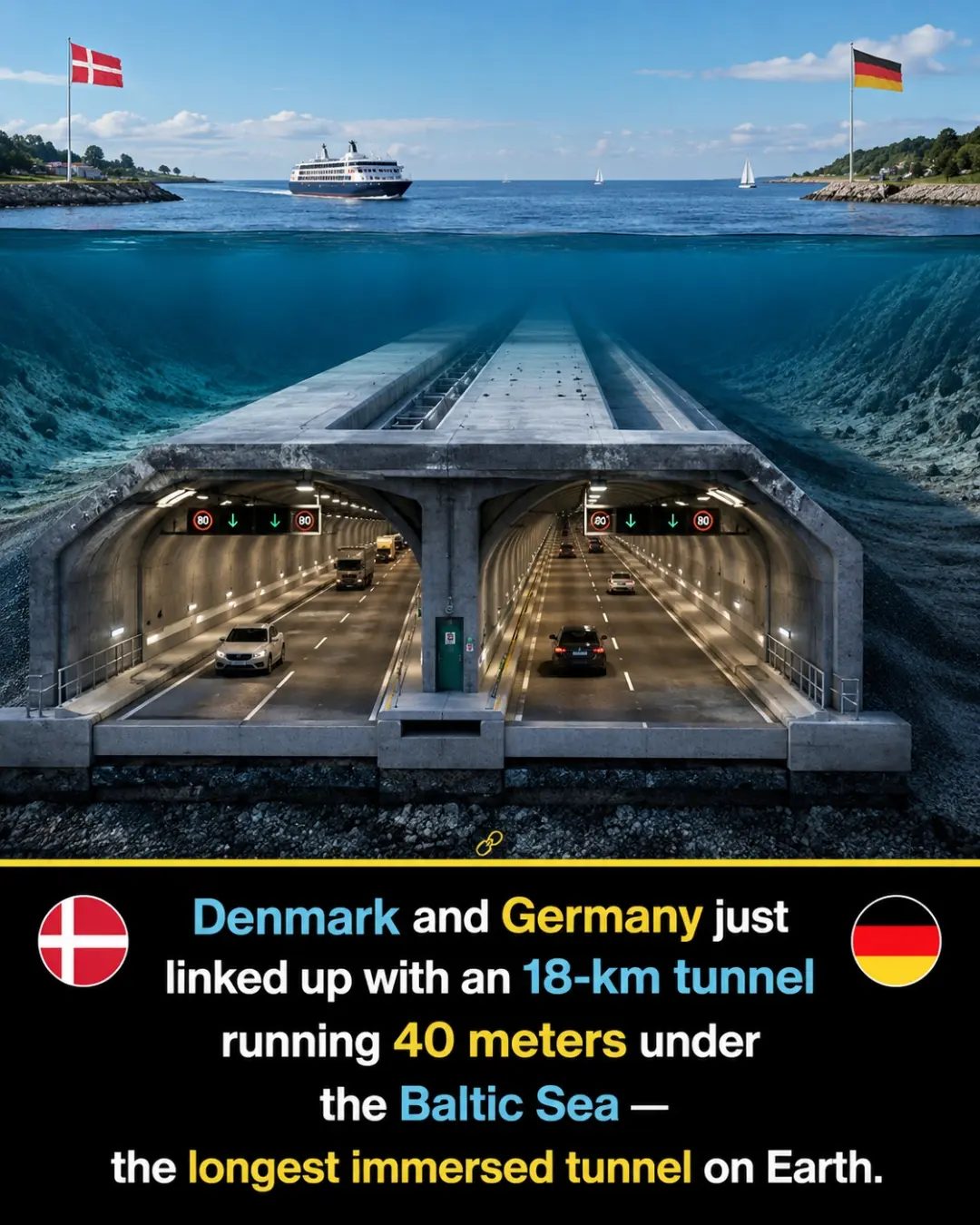
The Denmark-Germany immersed tunnel project is an ambitious infrastructure endeavor that aims to connect the two countries through an 18-kilometer underwater tunnel. This tunnel, which runs 40 meters below the Baltic Sea, is touted as the longest immersed tunnel on Earth.
Why This Matters
This project has significant implications for both Denmark and Germany. By creating a direct link between the two nations, the tunnel will facilitate easier trade, tourism, and overall economic growth. The tunnel will also help reduce travel time between the two countries, potentially fostering greater cultural exchange and collaboration.
The Tunnel's Unique Features
Impressive Dimensions and Design
The Denmark-Germany tunnel is a marvel of modern engineering. Stretching 18 kilometers, it is not just long but also deep, with a depth of 40 meters below the Baltic Sea. This depth ensures that the tunnel remains unaffected by surface conditions, providing a stable and secure passage for travelers and goods.
Cross-sectional views of the tunnel reveal intricate details of its design. The tunnel is designed with state-of-the-art road infrastructure, ensuring smooth and efficient travel. The surrounding seabed also plays a crucial role in the tunnel's stability, with engineering considerations to prevent any potential issues arising from the marine environment.
Technological Advancements
The project showcases several technological advancements. The tunnel's construction involved intricate techniques to ensure stability and durability in an underwater environment. The use of digital renderings and visualizations in the planning phase allowed engineers to anticipate and address any potential challenges, making the construction process more efficient.
Practical Tips for Understanding and Appreciating the Project
If you are interested in understanding more about the Denmark-Germany tunnel project, consider the following tips:
Learning about Tunnel Engineering
Tunnel engineering is a fascinating field that combines civil engineering, geology, and environmental science. By understanding the principles of tunnel design and construction, you can appreciate the challenges and innovations involved in building an 18-kilometer underwater tunnel.
Exploring Related Infrastructure Projects
The Denmark-Germany tunnel is not an isolated project. Many other countries have embarked on similar ambitious infrastructure projects. By exploring these projects, you can gain a broader understanding of the global trend towards large-scale engineering endeavors and their impact on societies.
Staying Updated on Future Developments
Infrastructure projects of this magnitude often evolve over time. Staying updated on the latest developments and future plans for the Denmark-Germany tunnel can provide valuable insights into the ongoing and future efforts to connect the two countries.
Important Takeaways
The Engineering Marvel
The Denmark-Germany tunnel project is a testament to human ingenuity and engineering prowess. It highlights the capabilities of modern technology in overcoming environmental and logistical challenges to create a critical link between two major European nations.
Economic and Social Impact
Beyond its engineering achievements, the project will have a profound impact on both Denmark and Germany. It will enhance economic ties, facilitate trade, and promote cultural exchange, making it a valuable addition to the infrastructure landscape of Europe.
A Model for Future Projects
The success of this project can serve as a model for future infrastructure initiatives. It demonstrates the feasibility of large-scale underwater tunnels and the potential benefits they can bring to interconnected regions.
Conclusion
The Denmark-Germany immersed tunnel project represents a new frontier in infrastructure development. By connecting Denmark and Germany through an 18-kilometer underwater tunnel, this project will not only facilitate easier travel and trade but also showcase the advancements in engineering and technology. As the world continues to evolve, such ambitious infrastructure projects will play a crucial role in shaping the future of global connectivity.
Watch the Reel
Questions readers ask
What is the length and depth of the Denmark-Germany immersed tunnel?
The Denmark-Germany immersed tunnel spans 18 kilometers, making it the longest of its kind. It is constructed 40 meters below the Baltic Sea, allowing for a stable and direct passage between the two countries.
Why is the tunnel considered an engineering marvel?
The tunnel is renowned for its advanced design and technological innovations. These include its impressive length, depth, and the use of immersed tunnel technology, which involves constructing tunnel elements on land and then sinking them into place under the sea.
How will the Denmark-Germany tunnel impact trade and tourism?
By providing a direct, stable link beneath the Baltic Sea, the tunnel will significantly reduce travel time between Denmark and Germany. This is expected to boost trade and tourism, as well as foster greater cultural exchange and economic growth.
What are the benefits of an immersed tunnel over other types of crossings?
Immersed tunnels offer several advantages, such as minimal disruption to marine life and shipping lanes during construction. They also provide a stable route that is less susceptible to weather conditions compared to bridges or ferries.
What is the significance of the tunnel's depth?
The tunnel's depth of 40 meters below the Baltic Sea ensures that it remains unaffected by surface weather conditions and vessel traffic. This depth also provides a stable environment for the tunnel's structure, enhancing its longevity and reliability.
How does the Denmark-Germany tunnel compare to other underwater tunnels?
The Denmark-Germany tunnel is set to be the longest immersed tunnel globally, surpassing existing underwater links. Its unique design and the immersing process make it stand out as a pioneering engineering achievement in the realm of submerged crossings.
What are the expected impacts on travel times between Denmark and Germany?
The tunnel is anticipated to significantly reduce travel times compared to current ferry services and alternative routes. This will make journeys between the two countries more convenient, potentially leading to increased connectivity and interaction.
Related deep dives
Similar reads based on topic and creator.


Recent articles
Fresh deep dives from the latest Reels we unpacked.




Comments
Be the first to comment.