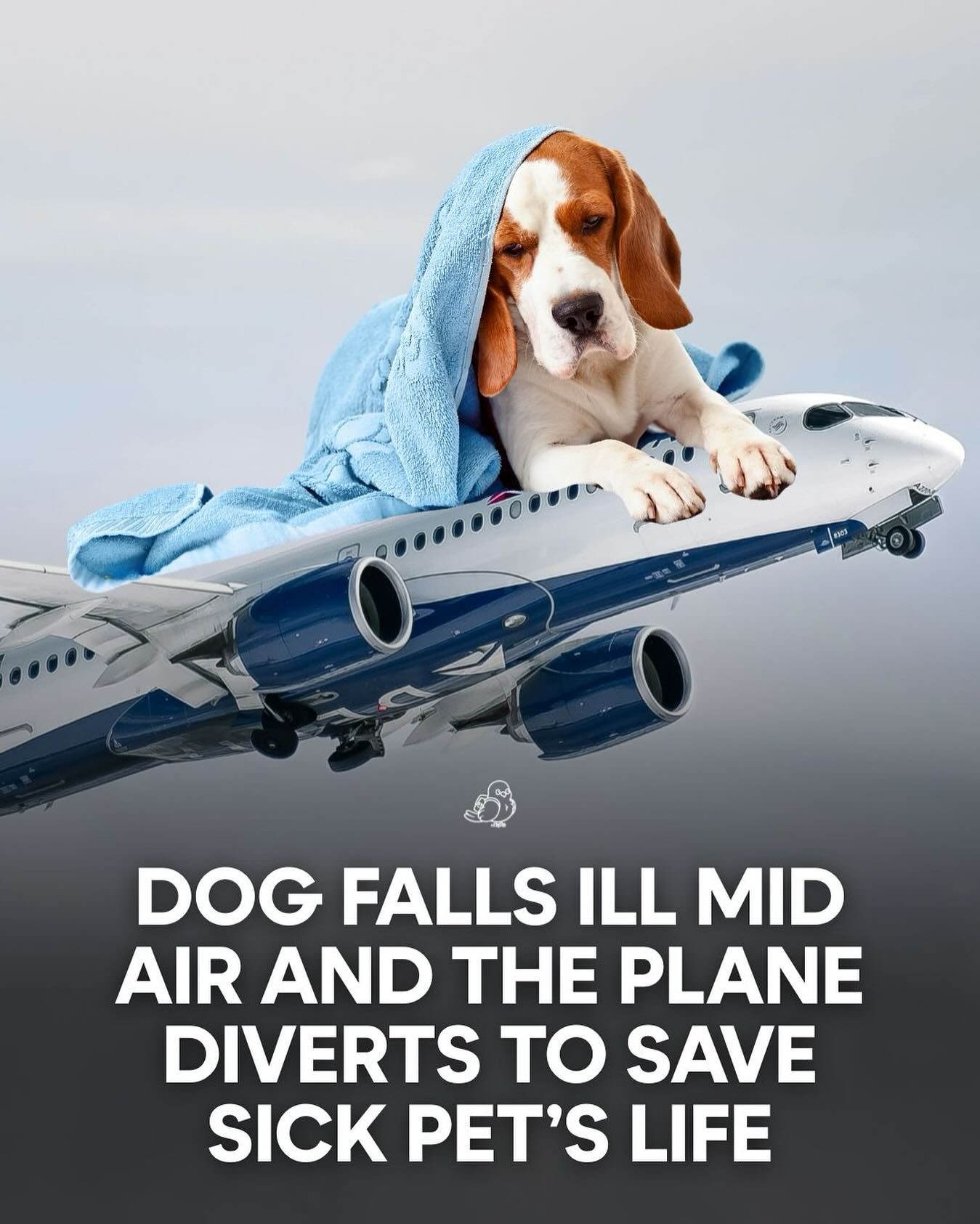
A Dog on a Plane: Unusual Event Brings Attention to Pet Air Travel
When a dog falls ill mid-flight, a Delta plane had to divert to save the sick pet's life.
Why This Matters
This rare incident highlights the importance of pet safety during air travel and the protocols in place to handle such emergencies. While it is an exceptional situation, it raises questions about how airlines manage pets onboard and what steps are taken to ensure their safety and welfare.
The Incident in Detail
The Flight and the Emergency
The Delta flight, en route from Detroit to Los Angeles, took an unexpected turn when a dog onboard became seriously ill about an hour into the journey. The flight attendants, recognizing the severity of the situation, immediately sought advice from a veterinarian. With this guidance, the captain decided to make an emergency landing in Minneapolis. This diversion was crucial as it allowed for immediate medical attention for the dog, ensuring its recovery.
The Rescue and Aftermath
Upon landing, paramedics were ready to meet the pet and its owner. Delta later confirmed that the dog had fully recovered, highlighting the effectiveness of the airline’s emergency protocols. The flight was delayed by 2.5 hours due to this incident, but the airline’s emphasis on safety was underscored.
Understanding the Role of Pets and Airlines
Pet Travel Regulations
Most airlines have specific regulations and guidelines for traveling with pets. For example, Delta, like many airlines, allows pets to travel in the cabin or as checked baggage in special containers. These regulations are designed to ensure the comfort and safety of both the pets and the passengers. The pet must be accompanied by a health certificate and must be in good health to travel.
Handling Emergencies
Emergency situations involving pets are rare, but airlines are equipped to handle them. Flight attendants are trained to recognize signs of distress in passengers, including pets, and to take appropriate action. In this case, the flight attendants’ quick response and the captain’s decision to divert the flight were crucial in saving the dog's life.
Practical Tips for Traveling with Pets
Preparation Before Flight
Before embarking on a journey with your pet, it is essential to ensure that all necessary documents are in order. This includes a health certificate from a veterinarian, proof of vaccination, and any other required documents. It’s also important to familiarize yourself with the airline’s policies on pet travel. Some airlines allow pets in the cabin, while others require them to travel as checked baggage.
Comfort and Safety
Ensure your pet is comfortable and safe during the flight. This may involve using a special carrier that complies with the airline's regulations and provides enough space for your pet to move around. It is also a good idea to bring familiar items like a favorite toy or blanket to help your pet feel at ease during the journey.
Monitoring Health During the Flight
Pets can experience anxiety and stress during flights, so it is essential to monitor their health closely. If your pet shows signs of distress, such as excessive panting, vomiting, or unusual behavior, inform the flight attendants immediately. They are trained to handle such situations and can provide assistance or contact medical personnel if necessary.
Important Takeaways
Pet Safety Should Be a Priority
The safety and well-being of pets during air travel should be a top priority for both airlines and pet owners. This incident underscores the importance of having protocols and trained personnel to handle emergencies involving pets.
Emergency Protocols Are Effective
The quick and effective response by the flight attendants and the captain highlights the importance of emergency protocols. These protocols ensure that pets receive the necessary care and attention during unexpected situations, ultimately saving lives.
Airline Policies Matter
Understanding and following the airline's policies on pet travel is crucial. Airlines have specific guidelines and regulations to ensure the safety and comfort of pets and passengers. Familiarizing yourself with these policies can help prevent unexpected issues and ensure a smooth journey.
Conclusion
The incident involving a dog onboard a Delta flight diverting to save a sick pet’s life is a testament to the importance of pet safety during air travel. Flying with your pet can be a memorable and enjoyable experience with careful preparation, understanding of airline policies, and vigilance during the flight.
Watch the Reel
Questions readers ask
What should passengers do if a pet falls ill on a Delta flight?
Passengers should immediately notify a flight attendant, who will contact the airline's medical team for guidance. They will then follow the instructions and protocols established by the airline. The key thing to do is to remain calm and provide accurate information about the pet to the crew.
Are there veterinarians available for consultation during Delta flights?
Delta, like many other airlines, has protocols in place for such emergencies. This includes access to veterinary experts for consultation. However, it is always good to check with the airline before traveling with pets to understand the specific support they offer.
How often do flights divert for pets?
Flight diversions for pets are rare. Such incidents typically occur only when the pet's life is in immediate danger. Airlines prioritize the safety and well-being of both human passengers and animals, but diversions are generally avoided unless absolutely necessary.
Do airlines like Delta allow pets in the cabin?
Yes, Delta and many other airlines allow pets in the cabin, provided they meet specific criteria. This typically includes being in an approved carrier and complying with size, age, and breed restrictions. It's always best to check the airline's pet policy before booking.
What is the process for handling pets during a flight emergency?
During a flight emergency involving a pet, the crew typically assesses the situation and seeks professional advice. Depending on the severity, the flight may be diverted to the nearest suitable airport to provide immediate care. The passenger can assist by keeping the pet calm and providing any necessary information.
What are the regulations regarding pets flying on a plane?
Regulations regarding pets on flights include specific carrier requirements, health certificates, and sometimes travel restrictions based on the breed or size of the pet. These regulations can vary by airline and destination, so it is essential to check with the specific airline and any relevant authorities before traveling.
What steps can pet owners take to ensure their pet's safety during air travel?
Pet owners should familiarize themselves with the airline's pet travel policies and prepare their pet for travel, ensuring they have a suitable carrier and any necessary medical documents. During the flight, staying calm and providing comfort to the pet can also help ensure a smoother journey.
Related deep dives
Similar reads based on topic and creator.




Recent articles
Fresh deep dives from the latest Reels we unpacked.




Comments
Be the first to comment.