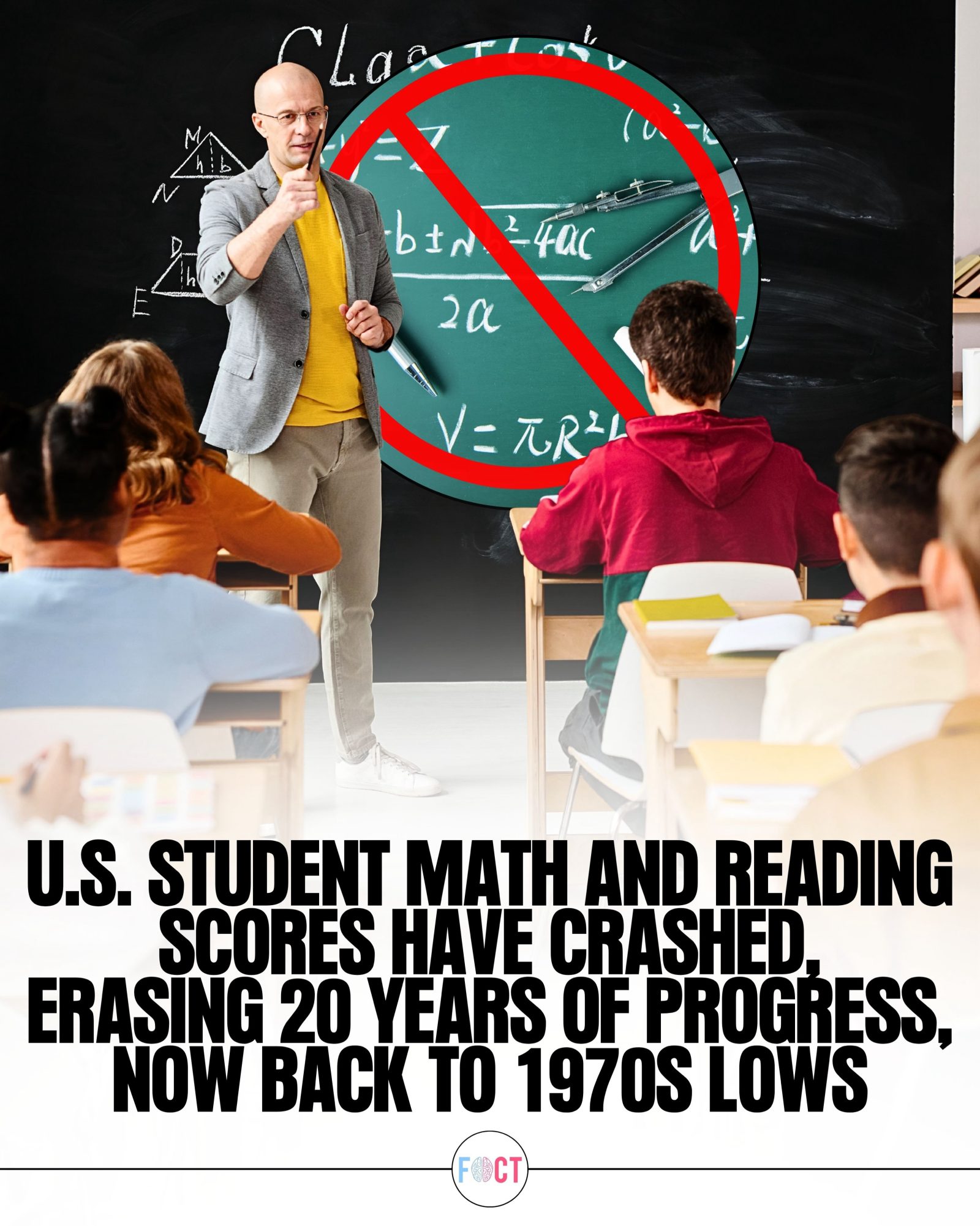
U.S. Student Performance in Math and Reading: A Significant Decline
U.S. student performance in math and reading has experienced a notable decline, undoing nearly 20 years of progress. National data reveals that scores among younger students have dropped to levels not seen since the 1970s, marking one of the sharpest setbacks ever recorded. This decline is linked to various factors, including pandemic disruptions, widening learning gaps, and changes in classroom engagement over time.
Why This Matters
The decline in student performance is a critical issue that affects not only individual students but also the broader educational landscape and the future workforce. Understanding the factors contributing to this decline and the efforts being made to address it is essential for educators, policymakers, and parents alike.
Factors Contributing to the Decline
Pandemic Disruptions
The COVID-19 pandemic has had a profound impact on education systems worldwide. School closures, shifts to remote learning, and the overall disruption of traditional classroom settings have been significant contributors to the decline in student performance. Students, particularly younger ones, struggled with the transition to online learning, leading to a loss of learning opportunities and engagement.
Learning Gaps
The pandemic also exacerbated existing learning gaps. Students from disadvantaged backgrounds, who often rely on schools for additional support, faced even greater challenges. Limited access to technology, unreliable internet connections, and lack of parental support further widened the gap between students from different socioeconomic backgrounds.
Classroom Engagement
Changes in classroom engagement have also played a role. The shift to remote learning and the subsequent return to in-person classes brought about significant disruptions in students' learning routines. Moreover, the emotional and psychological toll of the pandemic on students and teachers alike has impacted classroom dynamics and the overall learning environment.
Efforts to Address the Decline
Teacher Adaptation
Teachers have been at the forefront of adapting to these changes. Many have developed new strategies to engage students both in-person and remotely. Innovative teaching methods, such as hybrid learning models and the integration of technology, have become more prevalent.
Curriculum Revisions
Schools across the country are revising their curricula to better address the needs of students in a post-pandemic world. Emphasis is being placed on foundational skills in math and reading, with additional support for students who have fallen behind.
Community Support
Community involvement has been crucial in supporting students during this challenging time. Organizations like FOCCT are providing resources and support to help students catch up and excel. These initiatives often include tutoring programs, learning materials, and mental health resources.
Practical Tips for Parents and Educators
For Parents
1. Stay Informed: Keep up-to-date with your child's school and their curriculum. Knowing what your child is learning and how they are progressing can help you support them effectively.
2. Provide a Supportive Environment: Ensure that your child has a quiet, well-lit space for studying and that they have access to necessary resources, such as computers and textbooks.
3. Encourage Practice: Regular practice in math and reading can help reinforce skills and build confidence. Incorporate learning activities into daily routines to keep your child engaged.
For Educators
1. Utilize Technology: Incorporate educational technology into the classroom to make learning more interactive and engaging. Tools like online quizzes, educational apps, and virtual learning platforms can be particularly beneficial.
2. Focus on Individual Needs: Tailor instruction to meet the individual needs of students. Differentiated instruction and personalized learning plans can help students who are struggling to catch up.
3. Foster a Positive Learning Environment: Create a classroom setting that is supportive and encouraging. Positive reinforcement and a focus on student well-being can greatly enhance learning outcomes.
Important Takeaways
The recent decline in U.S. student performance in math and reading underscores the need for collective effort and innovation. Addressing this issue requires a multi-pronged approach that involves teachers, parents, and the broader community. By understanding the factors contributing to the decline and implementing effective strategies, we can help students regain their footing and build a stronger educational foundation for future generations.
Conclusion
The decline in student performance in math and reading is a complex issue with far-reaching implications. By acknowledging the challenges and taking proactive steps, educators, parents, and communities can help students overcome these setbacks and achieve their full potential. The road to recovery will require dedication, innovation, and a collaborative effort from all stakeholders.
Watch the Reel
Questions readers ask
What are the primary reasons for the recent decline in U.S. student scores in math and reading?
The primary reasons for the decline include pandemic disruptions, which caused significant interruptions in traditional learning, and the widening of pre-existing learning gaps. Additionally, shifts in classroom engagement and teaching methods have contributed to this trend, affecting both the learning environment and student progress.
Which age group has been most affected by the decline in student performance?
Younger students have experienced the most dramatic drops in performance, with national data showing scores falling to levels not seen since the 1970s. This age group has been particularly impacted by the disruptions caused by the pandemic and changes in learning environments.
How does the recent decline in student scores compare to historical trends in U.S. student performance?
The recent decline represents a significant setback, reversing nearly 20 years of steady improvement in math and reading scores. This reversal is one of the sharpest declines ever recorded, highlighting the severity of the current situation compared to past trends.
What are some of the broader implications of the decline in student performance for the future workforce and educational landscape?
The decline in student performance has implications that extend beyond individual students, affecting the broader educational landscape and the future workforce. As student proficiency in math and reading decreases, there may be long-term impacts on workforce readiness and economic productivity.
What measures are being taken to address the decline in student scores in the U.S.?
Efforts to address the decline include targeted interventions for struggling students, increased investment in learning resources, and adjustments to teaching methods to better engage students. Policymakers and educators are also focusing on reducing learning gaps and creating more supportive learning environments.
How have national student assessments reflected the recent decline in student performance?
National student assessments have shown a marked decrease in scores, particularly in math and reading, reflecting the broader trend of declining student performance. These assessments serve as a critical indicator of progress and highlight the areas where interventions are most needed.
Related deep dives
Similar reads based on topic and creator.


Recent articles
Fresh deep dives from the latest Reels we unpacked.




Comments
Be the first to comment.