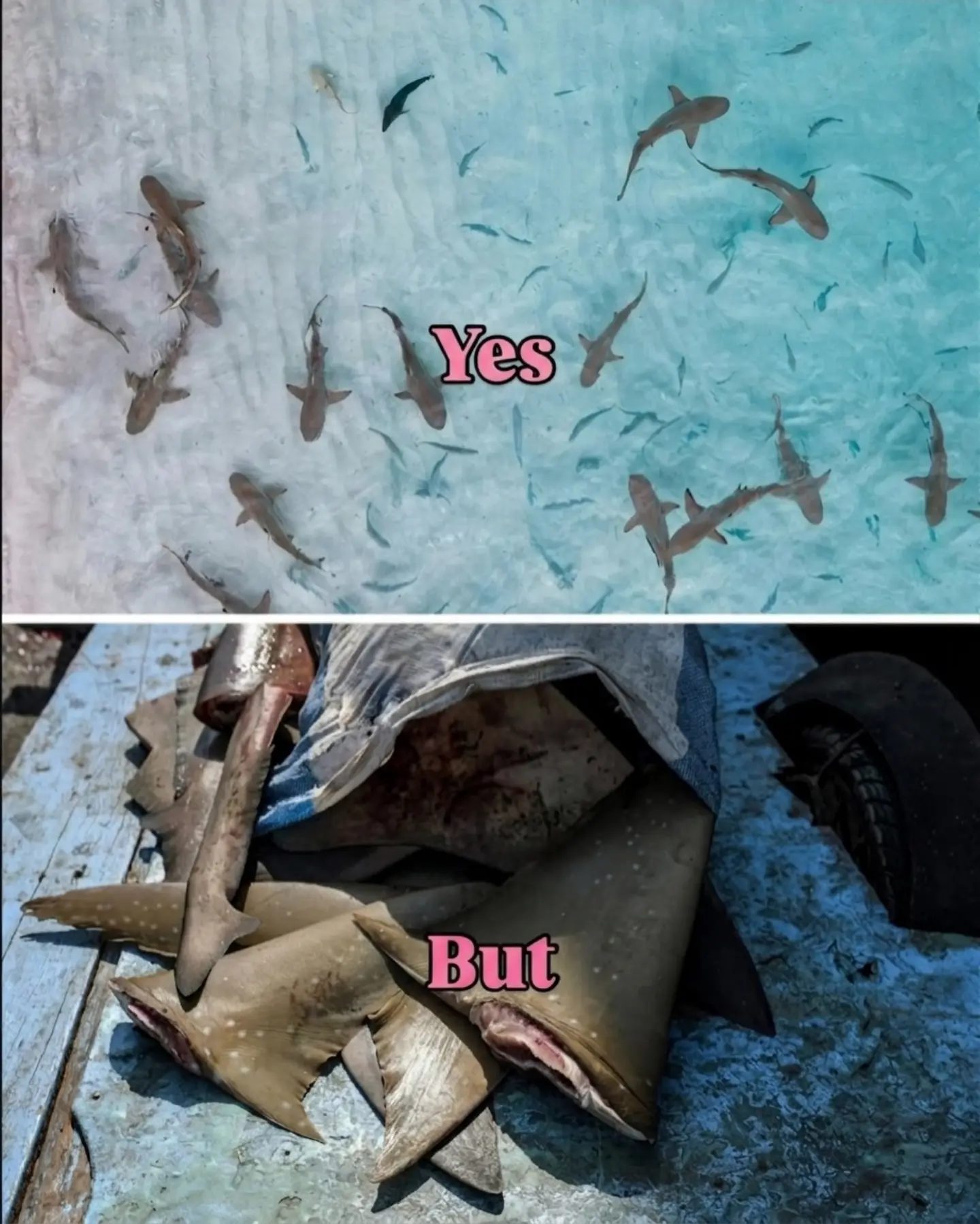
Shark Finning
Shark finning is a complex and controversial issue that has significant impacts on marine ecosystems. The practice involves removing shark fins for commercial purposes, often leaving the sharks to die. Understanding why shark finning occurs and its broader implications is crucial for anyone interested in marine conservation and the welfare of these apex predators.
Context
Fishermen practice finning because shark fins are a high-value commodity, commanding prices between $500 to $1,000 per kilogram when dried. The primary driver of this demand is shark fin soup, a delicacy in some East Asian culinary traditions. Served at weddings and formal banquets, this soup is often seen as a symbol of wealth, status, and hospitality. The practice dates back centuries, and the tradition has contributed to the high demand for shark fins.
Despite the extravagance surrounding shark fin soup, the fins themselves do not add any flavor to the dish. The primary appeal lies in the fins' gelatinous, stringy texture, which absorbs the flavors of the rich chicken or duck broths in which they are cooked. This cultural significance and the perceived status associated with serving shark fin soup have kept the demand high, driving the finning industry.
The practice of finning is also driven by economic considerations. Shark meat is relatively cheap and spoils quickly, making it less valuable. By removing only the fins and discarding the rest of the shark, fishermen can maximize the valuable freezer space on long voyages, ensuring they can carry more fins and other valuable catches. Unfortunately, this practice leads to the death of millions of sharks each year, disrupting marine ecosystems and contributing to the decline of shark populations.
The High Demand for Shark Fins: Cultural and Economic Factors
The Cultural Significance of Shark Fin Soup
Shark fin soup is deeply rooted in East Asian culinary traditions, particularly in China. It has been a staple at weddings, banquets, and other special occasions for centuries. Serving shark fin soup is a symbol of wealth, status, and hospitality. The tradition is so entrenched that many people continue to serve and consume the soup despite growing awareness of its environmental impact. The cultural significance of the dish makes it difficult to reduce demand.
The Economic Value of Shark Fins
Dried shark fins are a high-value commodity. They can sell for between $500 to $1,000 per kilogram, making them a lucrative catch for fishermen. This high value is driven by the perceived status and luxury associated with the soup. The economic incentives are strong, and the potential financial gains often outweigh the environmental concerns that consumers and regulators might have.
The Impact on Marine Ecosystems
Disruption of Marine Life
Sharks play a critical role in marine ecosystems as apex predators. They help regulate the populations of other species, maintaining a delicate balance. The decline in shark populations due to finning can disrupt the entire marine ecosystem. The loss of sharks can lead to an increase in the populations of their prey, which in turn can overgraze on other marine life, leading to a cascading effect that can destroy the ecosystem.
Health Concerns and Environmental Issues
Despite old health myths, shark fins actually contain high levels of heavy metals like mercury, which are harmful to human health. The fins themselves lack nutritional value, making their consumption a risky and unnecessary practice. Additionally, the environmental impact of finning is significant. Millions of sharks are caught every year for their fins alone, leading to an alarming decline in shark populations.
Practical Tips
For those interested in contributing to the reduction of shark finning, there are several practical steps that can be taken:
-
Raising Awareness: Educating friends, family, and communities about the environmental and health impacts of shark finning can help reduce demand. Understanding the practice's negative effects can prompt people to avoid consuming shark fin soup.
-
Supporting Conservation Efforts: Organizations working on marine conservation and shark protection often rely on public support. Donating to or volunteering for such organizations can have a significant impact on reducing finning.
-
Advocating for Legislation: Encouraging lawmakers to pass and enforce stricter regulations on shark finning can help curb the practice. Supporting bans on the sale and trade of shark fins can reduce demand and save shark lives.
-
Promoting Sustainable Seafood: Choosing sustainable seafood options and encouraging others to do the same can help reduce the pressure on shark populations. Supporting fisheries that adhere to sustainable practices can contribute to a healthier marine environment.
Important Takeaways
- Shark finning is driven by the high demand for shark fin soup, a luxury dish with deep cultural significance.
- The economic value of shark fins is a significant factor in the practice, as they command high prices.
- Finning disrupts marine ecosystems by reducing shark populations, which are crucial for maintaining ecological balance.
- Shark fins do not add any flavor to the soup and contain harmful levels of heavy metals, making them a risky and unnecessary practice.
Conclusion
Shark finning is a complex issue with far-reaching implications. Understanding the cultural and economic factors driving the demand for shark fins, as well as the environmental and health impacts of the practice, is crucial for addressing the issue effectively. By raising awareness, supporting conservation efforts, advocating for legislation, and promoting sustainable seafood, we can all contribute to reducing shark finning and protecting these vital marine predators.
Watch the Reel
Questions readers ask
What is shark finning and why is it a concern for marine life conservation?
Shark finning is the practice of removing a shark's fins and often discarding the rest of the body. This is a concern for marine life conservation because it can disrupt ecosystems, as sharks are apex predators that help maintain the balance of ocean life. The practice also leads to a decline in shark populations, which can have cascading effects on marine biodiversity.
Why are shark fins so valuable in the fin trade?
Shark fins are highly valued due to their use in shark fin soup, a delicacy in East Asian cuisine. The fins command high prices, ranging from $500 to $1,000 per kilogram when dried, making them an attractive commodity for fishermen. This high market value drives the continued practice of finning, despite its environmental impacts.
What role does culture play in the persistence of shark finning?
Cultural demand, particularly the tradition of serving shark fin soup at formal events like weddings and banquets, is a significant factor in the persistence of shark finning. In some East Asian cultures, this soup is seen as a symbol of wealth and hospitality, driving the demand for shark fins and perpetuating the finning practice.
Why do fishermen often discard the shark's body after removing the fins?
Fishermen often discard the shark's body after removing the fins because shark meat has a low market value compared to the fins. This makes it more economically viable for them to focus on the fins, which command higher prices, leading to the wasteful practice of discarding the rest of the shark's body.
How does shark finning affect ocean shark populations?
Shark finning significantly impacts ocean shark populations by leading to a decline in numbers. Many shark species are slow to mature and reproduce, making them vulnerable to overfishing. The high demand for fins and the low value of shark meat create a perfect storm for overfishing, pushing some shark species towards endangered status.
What are the broader implications of shark finning for marine ecosystems?
Sharks play a crucial role in maintaining the balance of marine ecosystems. Their decline due to finning can lead to an increase in prey species, which can then disrupt the food chain and overall health of the ocean. This can result in a loss of biodiversity and long-term changes to marine life.
Related deep dives
Similar reads based on topic and creator.




Recent articles
Fresh deep dives from the latest Reels we unpacked.




Comments
Be the first to comment.