The Truth Behind the Viral Lion and Camera Lens Story
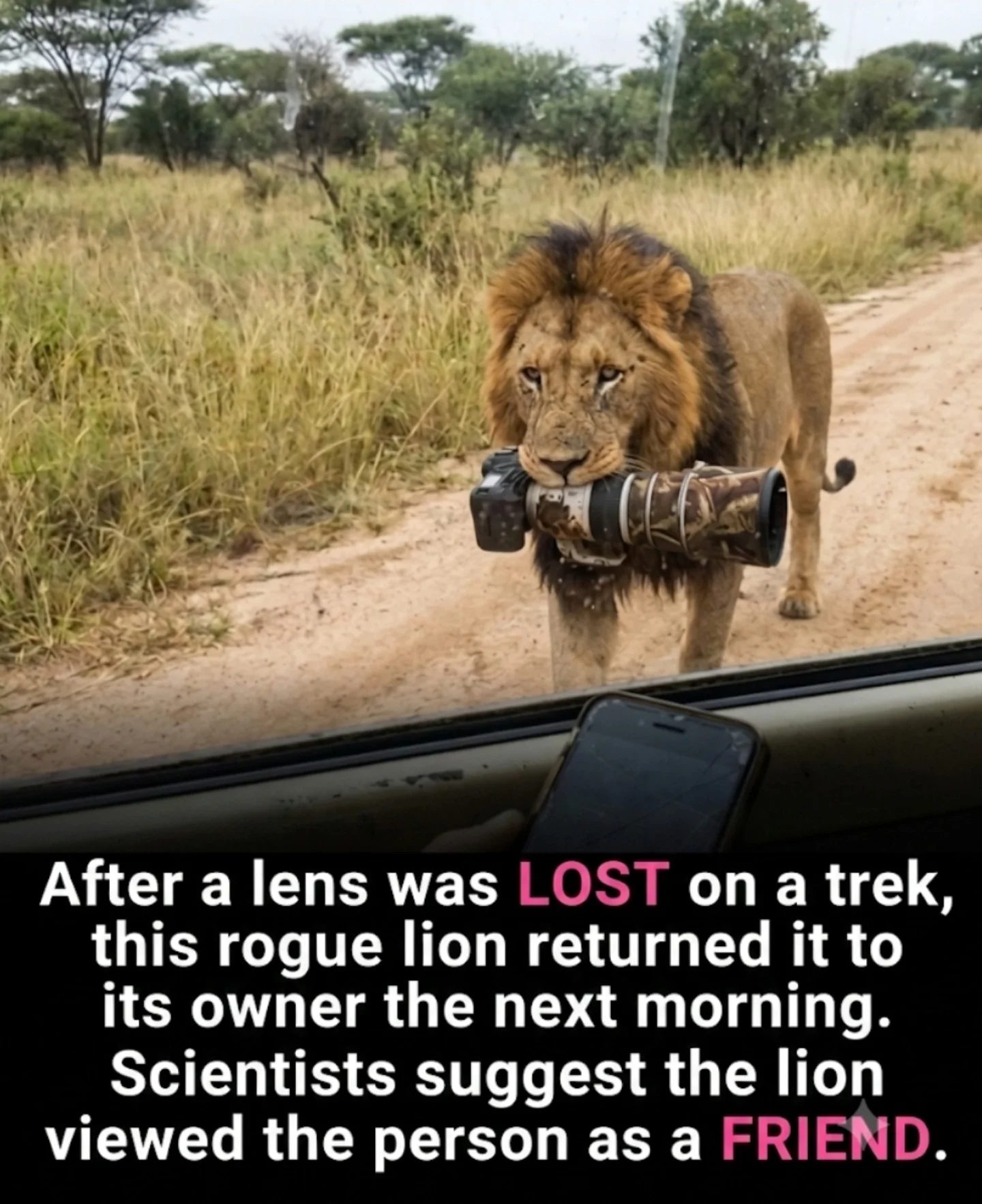
Photographers and wildlife enthusiasts are no strangers to the wonders and mysteries of the wild. A popular narrative involving a lion returning a lost camera lens to its owner has captured hearts, but the tale is far from accurate. The real story behind the image is a fascinating look into wildlife behavior and the power of viral misinformation.
Context / Why this matters
Understanding the truth behind this viral narrative is important for appreciating the genuine behaviors and traits of lions. It also sheds light on how misinformation can spread, especially when it involves heartwarming, albeit false, stories about animals.
The Authentic Image and Its Origin
The image in question was captured by wildlife photographer Barbara Jensen Vorster at the Mashatu Game Reserve in Botswana. Vorster's photograph showcases the raw beauty of the African wilderness and the majestic lions that inhabit it. The narrative that accompanies the image, however, is a fabrication designed to maximize emotional appeal and engagement on social media.
The Real Story Behind the Lens
In reality, a lioness, not a male rogue lion, was responsible for the theft of Vorster's expensive camera gear. According to Vorster, the camera equipment was accidentally dropped during a trek. The lioness, curious and opportunistic, took the gear as a plaything. The pride, including cubs, eventually chewed on the lens hood before the safari guides safely retrieved the gear.
The Role of Anthropomorphism
The viral misinformation relies heavily on anthropomorphism, the attribution of human traits, emotions, and intentions to non-human entities. This narrative suggests that the lion recognized the photographer as a friend and returned the lens out of a sense of friendship or understanding. Such a claim is not scientifically supported, and animal behaviorists emphasize that large predators like lions do not possess the cognitive framework to recognize humans in this way.
Wildlife Behavior and Curiosity
Lions, like many wild animals, are driven by instincts such as curiosity, territorial behavior, and predatory instincts. The lioness in the Mashatu Game Reserve did not return the camera lens out of friendship. Instead, the gear likely piqueed the pride's curiosity, leading to its temporary possession.
The Impact of Viral Misinformation
Social media misinformation often relies on emotional appeal to gain traction. This narrative is a prime example of how false information can spread when it tugs at the heartstrings. The fabricated story about the lion and the camera lens exemplifies the techniques used to maximize engagement and emotional resonance. These tactics, while effective, can obscure the truth and lead to misconceptions about wildlife behavior.
Practical Tips for Wildlife Photographers
For those who venture into the wild with cameras, understanding the behaviors of the animals they encounter is crucial. Here are some practical tips to keep in mind:
Be Prepared for the Unexpected
Wildlife encounters can be unpredictable. Always ensure that your equipment is secured and that you are prepared for any eventuality. This includes having spare gear and being ready to react quickly if something goes awry.
Understand Animal Behavior
Research the behaviors and habits of the animals you plan to photograph. Understanding their natural instincts can help you anticipate their actions and respond safely and effectively.
Stay Safe
Safety should always be a top priority. Follow the guidelines provided by your safari guide and maintain a safe distance from the animals. Remember that while wildlife can be fascinating, it is also unpredictable and potentially dangerous.
Avoid Anthropomorphism
Resist the temptation to attribute human emotions and intentions to animals. Doing so can lead to misinterpretations of their behavior and unrealistic expectations about their actions.
Important Takeaways
The Power of Emotional Appeal
The lion and camera lens narrative illustrates the power of emotional appeal in spreading misinformation. While the story is heartwarming, it is crucial to verify information and understand the underlying facts.
The Reality of Wildlife Behavior
Lions and other wild animals act on instincts and natural behaviors, not out of a sense of friendship or understanding. Recognizing this can help us better appreciate and respect the natural world.
The Role of Misinformation
Understanding how misinformation spreads and why it is effective can help us identify false narratives and appreciate the genuine wonders of the natural world.
Conclusion
The viral story of a lion returning a lost camera lens is a fascinating look into the complexities of wildlife behavior and the power of social media misinformation. By understanding the truth behind the narrative, we can better appreciate the genuine behaviors and instincts of lions and other animals. For wildlife photographers and enthusiasts, this story serves as a reminder to stay vigilant, informed, and prepared for the unpredictable wonders of the wild.
Watch the Reel
Questions readers ask
What is the true story behind the lion returning a camera lens?
The true story involves a lioness and does not depict a lion returning a camera lens. The viral narrative is a misconception that has captivated audiences but doesn't align with the actual events captured by a wildlife photographer. The image showcases the genuine behavior of lions in the wild.
Who captured the authentic image of the lion and the camera lens?
The authentic image was captured by a wildlife photographer, who documented the real events involving a lioness and the camera lens. The photographer's observations provide insight into the true behaviors of lions.
Why is understanding the true story about the lion and the camera lens important?
Understanding the true story helps in appreciating the real behaviors and traits of lions. It also highlights the impact of misinformation, especially when stories involving animals go viral and spread inaccuracies.
What are the key aspects of genuine lion behavior depicted in the photograph?
Genuine lion behavior depicted in the photograph includes the natural interactions and curiosity of lions, as documented by an experienced wildlife photographer. It shows the real, unique traits of these majestic animals.
What can we learn about wildlife misinformation from this story?
This story underscores the power of misinformation in the digital age. It illustrates how false narratives can spread quickly, particularly when they involve heartwarming, yet inaccurate, stories about animals, and how such misinformation can obscure the true nature of wildlife.
How did the misconception of the lion returning a camera lens start?
The misconception likely arose from a viral narrative that exaggerated the events captured in the photograph. The narrative was misinterpreted, leading to a widespread belief that a lion returned a camera lens to its owner, when in reality, the image was of a lioness and did not involve a return of the lens.
What is the significance of the real story behind the lion and camera lens image?
The real story behind the image is significant because it provides a window into the authentic behaviors of lions. It also serves as a reminder to be critical of viral narratives, especially when they involve animals, and to seek out accurate information from reliable sources, such as wildlife photographers.
Related deep dives
Similar reads based on topic and creator.



Recent articles
Fresh deep dives from the latest Reels we unpacked.




Comments
Be the first to comment.