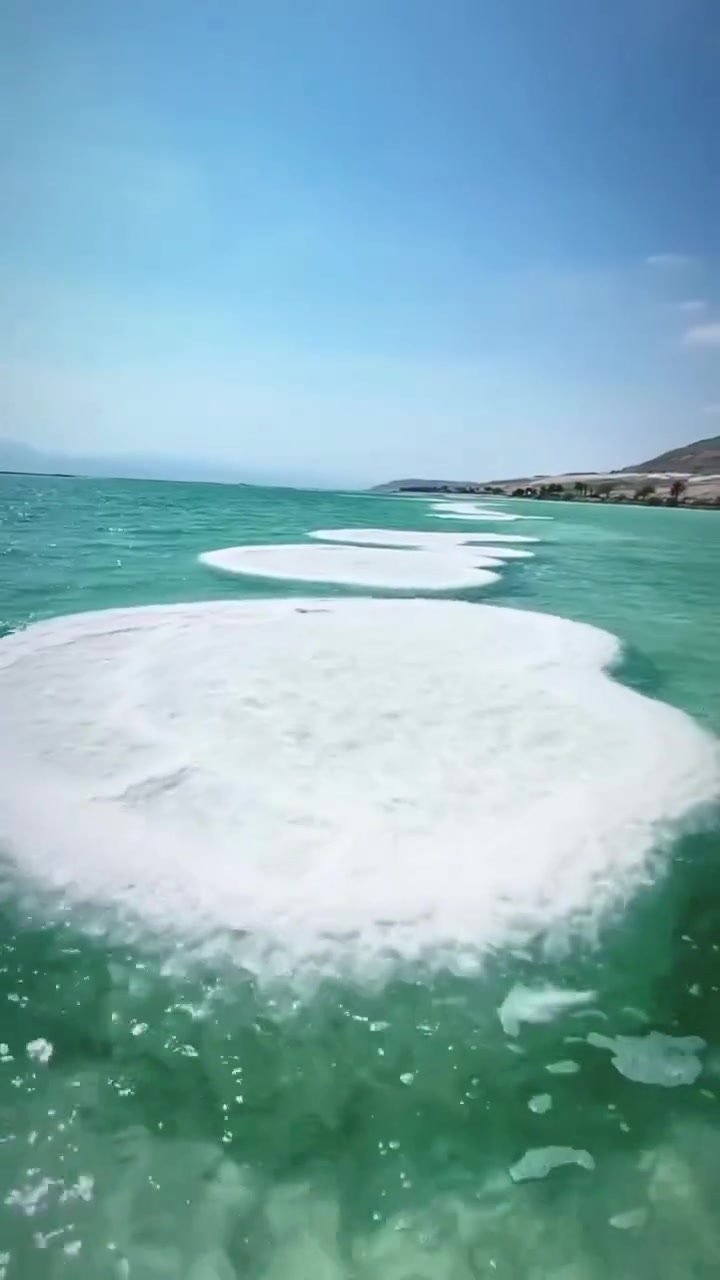
The Dead Sea isn't merely the lowest spot on the earth's surface; it's also deep in a zone of nature unlike any other. It is a vast salt lake where the salt concentration is so high that no marine life lives in it, and salt formations on the water’s surface create unique patterns.
The Crystalline Art of the Dead Sea
The Dead Sea's salt formations are geological marvels, formed by the continuous evaporation of its hyper-saline waters. As water evaporates, it leaves behind salt crystals. When the surface of the water gets agitated by wind, gravity, or any form of movement, these crystals congregate into unique patterns, making the sea’s surface a fluid canvas of intricate designs. The white salt deposits not only create a visually striking contrast with the turquoise water but also tell a story about the Dead Sea's history and evolution. The Dead Sea's unique geography and climate make it an ideal setting for these formations: the lack of outlets leads to a high concentration of salt and minerals. The Dead Sea’s reputation stretches beyond health treatments. Its formation and salt crusts, the intricacies of dissolved minerals, and the minimal rain that adds to its character make it a geological phenomenon.
The Dead Sea’s appeal
Salt formations create a unique natural artistry that draws millions of tourists to the Dead Sea each year. It is also the lowest place on Earth, with a surface level of 432 meters (1,416 feet) below sea level. Often grouped under the same category are the barren and unfriendly places, but the Dead Sea is more than its famous water related health benefits. The geological fact about the sea water has intrigued scientists to study the patterns on water and what brings about the unique patterns. One of the reasons why this area attracts so much attention from tourists is how close it brings us to the idea of life on Earth. Moreover, the Dead Sea is encased in beautiful green hills. On the other hand, Jordan's Dead Sea has a stunning stretch of salt flats and strong turquoise shallows. These salt flats are the reason why the location is famous. And, as the wind combines with the water, a layer of salt is formed. The formations here are less “productive” than at the northern end of the Dead Sea in Israel. This is due to the fact that the waves are not as strong as they are on the Israeli side, where the wind flow is more powerful.
The Geometry of Salt
The Influence of Water Temperature
When the water level drops, the salt left behind forms a white layer on the water. This is a very regular occurrence in the Dead Sea, but it only becomes visible when the water level drops, creating a very clear contrast. The water level changes mainly because of the evaporation rate, which in turn changes with the water temperature. Cracks form in the salt covering under the heat and cold on the Sea’s surface. This occurs frequently in the cold season, particularly in January. This happens because the salt formations craze and expand as the temperature changes. This leads to cracks on the surface in the winter, further forming unique patterns. The salt formations are a testament to the power of evaporation and the beauty of natural design. It's not only fascinating but also slightly mesmerizing that the sea brings out such unique formations. They do not stay for long: as the wind and water movement change, these patterns are often altered, making them a transient work of art.
The Role of Earth Movement
A lot of these formations are the outcome of active earth movements. These movements take place as water agitates, creating waves and movement in the sea. This agitates water and creates movement. The movement of minerals in these salt deposits can help create these patterns on the Sea's surface. When the movement agitates the water, the salt deposits underneath move and turn into vivid patterns. Dead Sea salt formations are arguably the best example of natural artistry. Hundreds of millions of years of geology have created an intricate natural canvas that we can see on the waters of the Dead Sea every day. They are formed from the salt that has accumulated over time. As the Dead Sea water evaporates, minerals emerge and form the white patchy coatings. These deposits combine with the water to create stunning formations. When the water is still or flows in various directions, the minerals form a pattern on the surface.
The Challenge of Salt Formations
Recent studies indicate that the picturesque salt formations of the Dead Sea may become a thing of the past. The Dead Sea is shrinking fast, and the rate of evaporation has significantly increased in the recent past. The water level of the Dead Sea has drastically dropped, which makes it difficult for the salt formations to become a regular feature. Due to less water in the Dead Sea, it might soon lose its famous salt formations.
Travel to the surreal
At the Dead Sea, one can only experience the beauty of the salt formations through floating on the surface. The pool also has a nature walkway for tourists to take a small tour of the area. The Dead Sea sulphur pools are also part of the experience. For tourists, it is always a delight to be able to float on the surface of the water and stare at the salt formations from the surface. The Dead Sea is arguably the best natural salt bath on Earth. The pink, brown, and white colors of the Dead Sea salt formations are because of the sea’s rich mineral deposits. Encore For centuries, people have travelled to the Dead Sea to experience its healing properties. Now, it offers a chance for each visitor to gaze into the beauty of nature’s surreal artistry. The mystery of its formation, the dreamy salt formations, and the unexplainable patterns on the surface offer a surreal experience. Make sure to wear a bathing suit and waterproof shoes when visiting the Dead Sea. Bring a camera to capture the striking sight of the salt formations as a souvenir.
Watch the Reel
Questions readers ask
What causes the unique patterns in the Dead Sea's salt formations?
The unique patterns in the Dead Sea's salt formations are created by the continuous evaporation of its hyper-saline waters. When the water surface gets agitated by wind, gravity, or any form of movement, the salt crystals congregate into intricate designs. This process is influenced by the water temperature, which affects the evaporation rate and the formation of cracks in the salt layer.
How does the Dead Sea's geography contribute to its salt formations?
The Dead Sea's unique geography plays a significant role in its salt formations. The lack of outlets in the Dead Sea leads to a high concentration of salt and minerals, and the minimal rain in the area adds to its character. The sea's low elevation and the surrounding climate create an ideal setting for these formations.
Why are the salt formations on the Jordanian side of the Dead Sea less prominent than on the Israeli side?
The salt formations on the Jordanian side of the Dead Sea are less prominent due to the weaker waves and wind flow compared to the Israeli side. The stronger wind and wave action on the Israeli side help create more dynamic and visible salt formations, making them more aesthetically “productive”.
Is the Dead Sea's salt formations a year-round phenomenon?
The Dead Sea's salt formations are a year-round phenomenon, but their visibility and patterns can change with the seasons. For example, cracks form in the salt layer during the cold season, particularly in January, as the salt formations expand and contract with temperature changes. This creates unique patterns that are visible throughout the year.
Can tourists observe the salt formations from above?
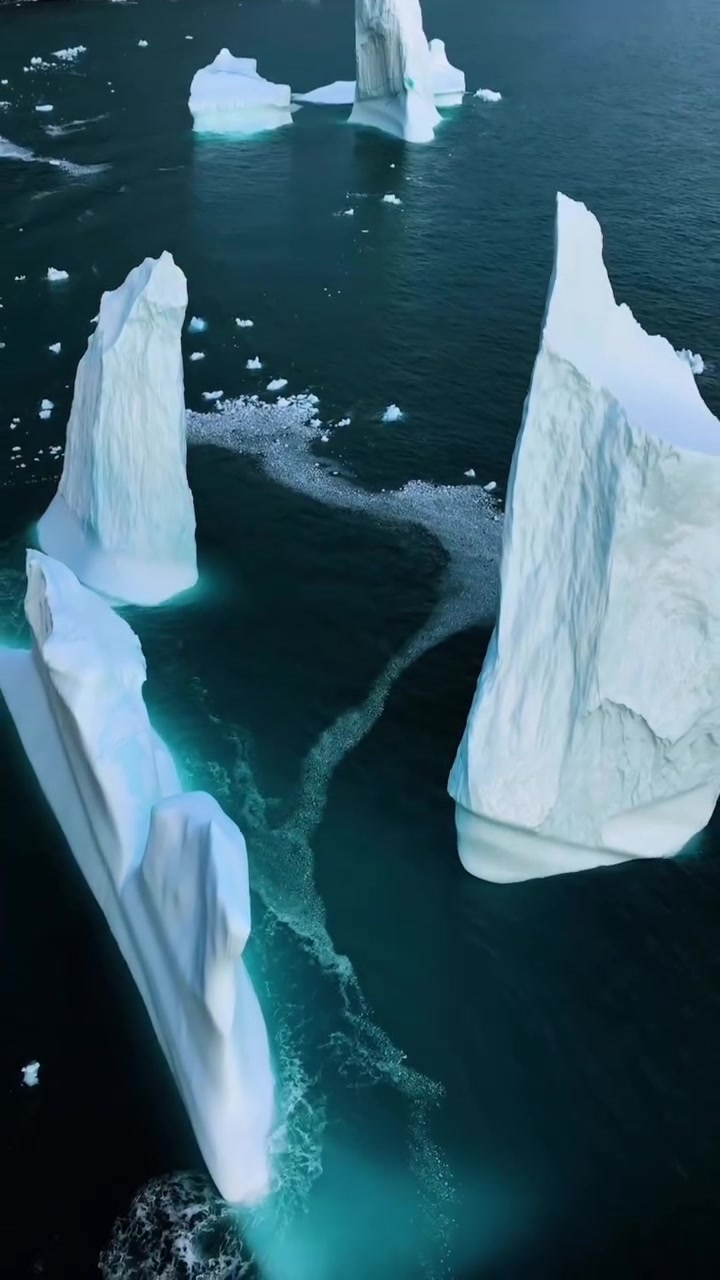
Yes, tourists can observe the salt formations from above, which is a key reason for the Dead Sea's appeal. The aerial views reveal a mesmerizing dance of white salt crystals and turquoise water, creating ever-changing patterns that attract millions of visitors each year. The contrast between the white salt deposits and the turquoise water is particularly striking.
Related deep dives
Similar reads based on topic and creator.



Recent articles
Fresh deep dives from the latest Reels we unpacked.

Comments
Be the first to comment.