Longevity and Aging
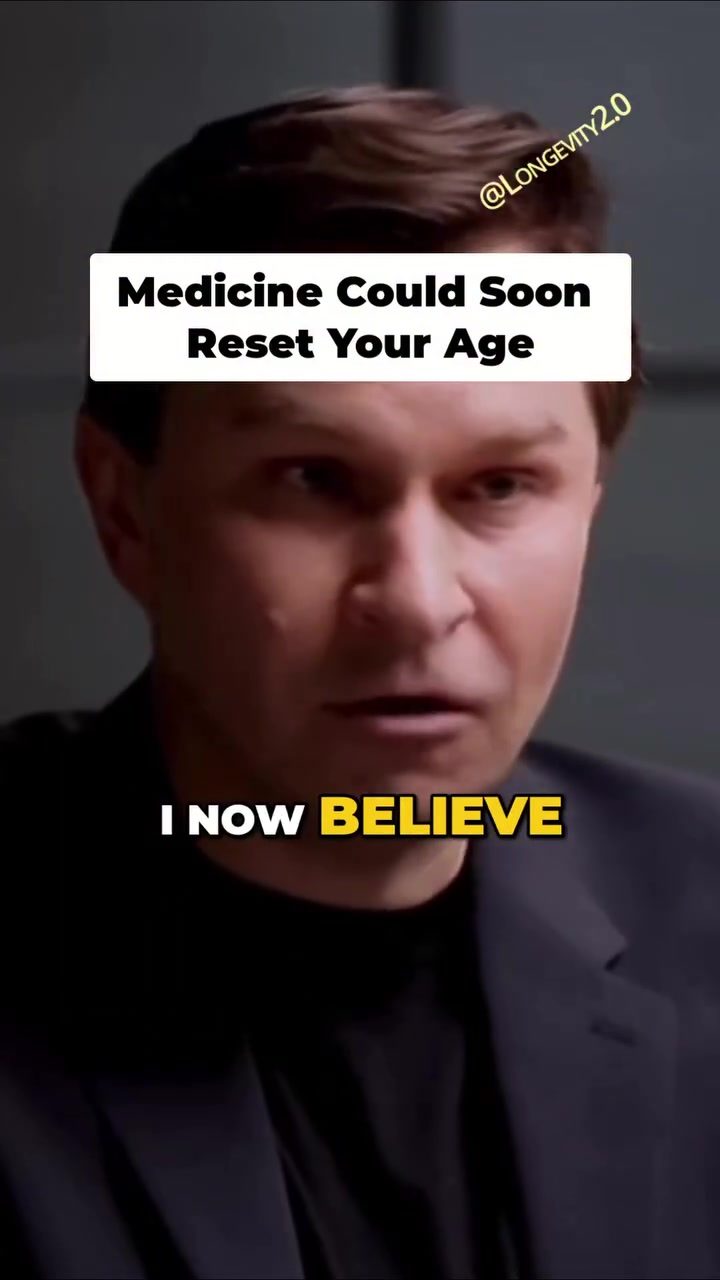
The possibility of reversing aging is no longer a distant dream. Recent advancements in medicinal research are paving the way for a future where biological age can be reset, and age-related diseases can be cured or prevented. This isn't just about looking and feeling better; it's about tackling some of the most challenging health issues of our time.
Context
Why does this matter? Aging is the most significant risk factor for many debilitating and fatal conditions, including Alzheimer's, heart disease, cancer, and frailty. If we can intervene at the cellular level to reverse aspects of aging, we may be able to prevent or even treat these diseases simultaneously. This radical idea is gaining traction in research labs worldwide, and the potential implications are enormous.
Main Discussion
The Turning Point
David Sinclair, a prominent researcher in the field of aging, believes we are on the cusp of a major turning point in medical history. He envisions a future where medicines can reset the biological age of the body, initially targeting incurable, degenerative, and age-driven diseases. This shift from treating symptoms to restoring youthful function could revolutionize healthcare as we know it.
The Science Behind the Promise
Scientists are already exploring various methods to achieve this goal. Some of the key areas of research include:
- Cell Reprogramming: By reprogramming cells, scientists aim to revert them to a younger, more functional state. This process involves manipulating the cell's epigenetic markings, which control gene expression.
- Tissue Function Restoration: Another avenue of research focuses on restoring the function of aged tissues. This could involve regenerating damaged cells or enhancing the body's natural repair mechanisms.
- Reversing Biological Markers: Researchers are also working on reversing biological markers of aging in animals. If successful, these findings could be translated to human treatments.
The Road Ahead
While the potential is immense, it's essential to stay grounded. This is still emerging science, and most interventions are not yet approved for human use. The journey from lab discoveries to clinical applications is fraught with challenges, including safety concerns, regulatory hurdles, and the need for large-scale clinical trials. However, the progress made so far is promising, and the shift has already begun.
Practical Tips
Although we are not yet at the stage where these treatments are widely available, there are steps you can take to stay informed and potentially benefit from future advancements:
- Stay Informed: Keep up with the latest research in the field of longevity and aging. Subscribe to newsletters, follow reputable sources, and engage with experts in the field.
- Adopt a Healthy Lifestyle: While we wait for medical breakthroughs, adopting a healthy lifestyle can significantly impact your longevity. This includes regular exercise, a balanced diet, adequate sleep, and stress management.
- Consult with Professionals: Always consult with qualified healthcare professionals before making changes to your health or treatment regimens. They can provide personalized advice based on your unique needs and circumstances.
Important Takeaways
The possibility of resetting biological age and curing age-related diseases is no longer a distant dream. With advancements in medicinal research, we are on the brink of a major turning point in medical history. While the journey ahead is challenging, the potential benefits are immense. Staying informed, adopting a healthy lifestyle, and consulting with professionals can help you navigate this exciting and rapidly evolving field.
Conclusion
The future of longevity and aging is filled with promise. As we move closer to a world where biological age can be reset, and diseases can be cured or prevented, it's essential to stay informed and proactive. By embracing a healthy lifestyle and staying engaged with the latest research, you can be part of this transformative journey. Together, we can look forward to a future where aging is no longer a limitation but an opportunity for continued health and vitality.
Watch the Reel
Questions readers ask
What is biological age and how does it differ from chronological age?
Biological age refers to how old your body is based on various biological markers, such as organ function and cell health, while chronological age is simply how old you are in years. These two can differ significantly; for instance, a 60-year-old might have the biological age of a 50-year-old if they maintain a healthy lifestyle.
What are some of the most promising longevity supplements backed by David Sinclair's research?
David Sinclair's research has highlighted several compounds with potential longevity benefits. These include Resveratrol, found in red wine and certain plants, NMN, and Metformin. These supplements have shown promise in animal studies and are being explored for their effects on human biological age.
How does cell reprogramming contribute to turning back the clock on aging?
Cell reprogramming involves turning back the clock on aging at the cellular level by rejuvenating cells to a more youthful state. This process has the potential to restore tissue function, which could lead to a reduction in age-related diseases and improve overall health and longevity.
What are some of the most significant age-related diseases that could be cured or prevented with biological age reversal?
Biological age reversal has the potential to prevent or treat some of the most challenging health issues, including Alzheimer's, heart disease, cancer, and frailty. These diseases are closely linked to aging, so interventions that target the aging process itself could have a broad impact on health.
What is the significance of David Sinclair's work in the field of aging research?
David Sinclair's work is pivotal in the field of aging research. His breakthroughs in cell reprogramming and tissue function restoration are at the forefront of a new era in healthcare. By focusing on resetting biological age, Sinclair's research aims to address the root causes of age-related diseases, offering a promising path for revolutionizing medicine.
How does tissue function restoration contribute to longevity medicine?
Tissue function restoration is key to longevity medicine as it aims to reverse the deterioration of organs and tissues that occurs with age. By restoring youthful function to tissues, this approach can potentially slow down or even reverse the aging process, leading to increased health span and lifespan.
What are some of the most exciting medical advancements in longevity research?
Recent advancements in longevity research include the development of compounds like NMN and Metformin, which have shown promise in animal studies for extending lifespan and improving health. Additionally, breakthroughs in cell reprogramming and tissue function restoration are paving the way for innovative treatments that could revolutionize healthcare.
Related deep dives
Similar reads based on topic and creator.

Recent articles
Fresh deep dives from the latest Reels we unpacked.




Comments
Be the first to comment.