The Escalating Conflict Over Data Centers and Community Concerns
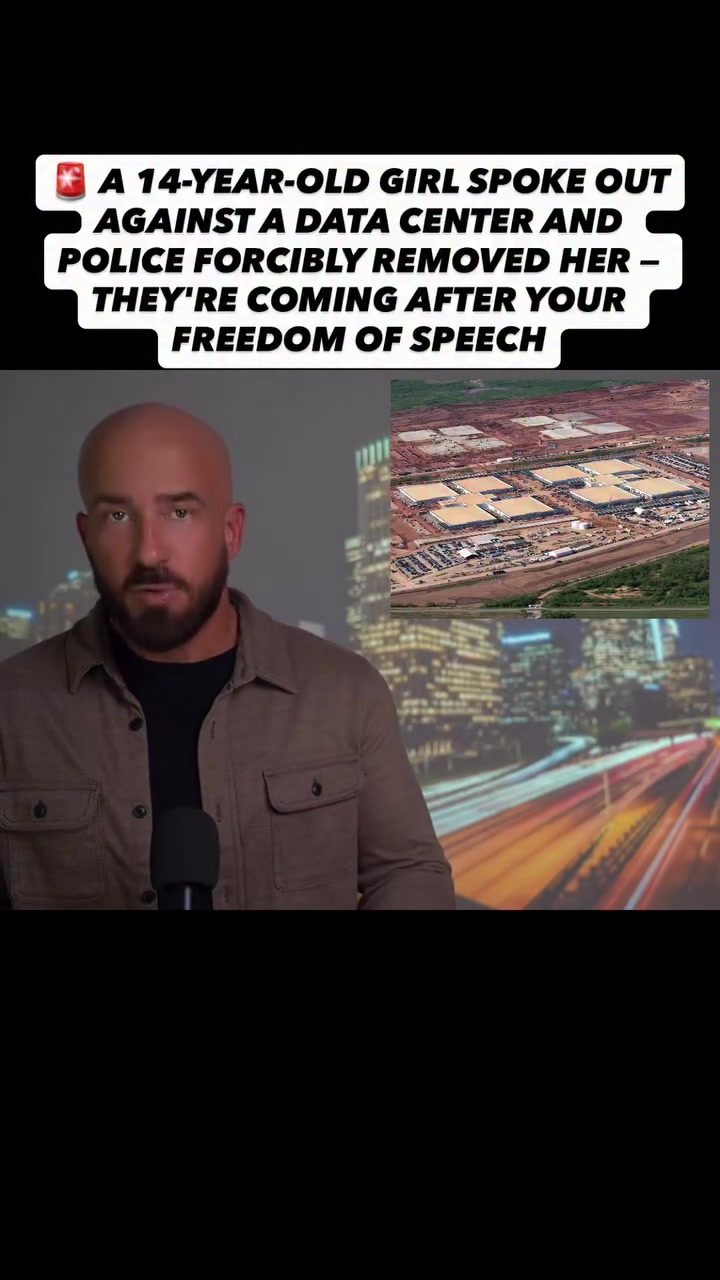
Data centers are increasingly becoming a contentious issue in communities across the country. Recently, a 14-year-old girl in Massachusetts made headlines when she was forcibly removed from a meeting after speaking out against a proposed data center. This incident highlights the growing tensions between corporate interests, local communities, and the push for more data centers.
Understand the Conflict
Data centers are essential for modern technology infrastructure, housing the servers that power everything from cloud computing to artificial intelligence. However, their construction and operation come with significant costs and impacts on local communities. These facilities require vast amounts of electricity, water, and land, often leading to environmental concerns and community pushback.
The Incident in Massachusetts
The recent incident in Massachusetts involved a 14-year-old girl who attempted to voice her concerns about a proposed data center project. Her actions were met with resistance, as she was forcibly removed from the meeting by police. This event has sparked outrage and raised questions about freedom of speech and the rights of communities to have a say in projects that affect their neighborhoods.
"The data center plague just got a whole lot scarier. A 14-year-old tried to speak out against a data center in Massachusetts. You're not going to believe how they reacted."
The incident is not an isolated case. Many communities across the United States are grappling with similar issues. Data centers, once operational, bring few long-term jobs to the area. The primary employment opportunities are during the construction phase, and once the center is operational, the community sees little economic benefit. This reality has led to widespread resistance from residents who fear the negative impacts on their communities.
The Role of Major Corporations
Large tech companies like Microsoft are at the forefront of the data center boom. Despite widespread community opposition, these corporations continue to push for permits and approvals. Lawyers representing these companies have openly admitted that communities do not want data centers in their backyards. However, this knowledge has not deterred them from pursuing these projects.
"Microsoft lawyers have openly admitted that communities don't want data centers in their backyards. They know residents push back. They know people don't want them. They know local communities fight these projects. And yet the projects keep moving forward anyway."
Community Concerns and Environmental Impact
One of the most pressing concerns is the environmental impact of data centers. These facilities consume enormous amounts of electricity and water, placing a significant strain on local resources. In Georgia, for example, residents were outraged to learn that a major data center operation had used tens of millions of gallons of water before they were told to conserve. This incident underscores the environmental cost of data centers and the need for more sustainable practices.
Data centers also have a substantial carbon footprint, contributing to climate change through their energy consumption. As the demand for data services grows, so does the need for more data centers, exacerbating the environmental impact. Communities are rightfully concerned about the long-term effects of these facilities on their local ecosystems and resources.
The Surveillance State and Technological Changes
Beyond the immediate environmental and community concerns, there is also speculation about the broader implications of the data center boom. Some argue that the expansion of data centers is tied to the development of a more extensive surveillance state. With the increasing use of artificial intelligence and biometric verification, the need for massive computing infrastructure is rising. This has led to concerns about privacy and the potential misuse of personal data.
"You can call anytime. Or do you think it's really about expanding the surveillance state? Now beyond that I would say that we are also looking at some technological changes which we'll be more fully able to announce over the coming months."
Practical Tips for Communities
For communities facing the prospect of new data center construction, there are several steps they can take to protect their interests:
-
Organize and Mobilize: Form community groups to voice concerns collectively. The more united the community, the stronger the voice against potential negative impacts.
-
Engage with Local Officials: Elected officials have a responsibility to represent their constituents. Engage with them to ensure that community concerns are taken into account during the permitting process.
-
Seek Legal Advice: Consult with legal experts who specialize in environmental law and community rights. They can provide guidance on how to navigate the regulatory landscape and protect your community's interests.
-
Promote Sustainable Solutions: Advocate for sustainable and environmentally friendly technologies. Encourage data center developers to adopt renewable energy sources and water-saving practices.
-
Raising Public Awareness: Use social media, local news outlets, and community meetings to raise awareness about the issues. Public pressure can be a powerful tool in influencing decision-makers.
Important Takeaways
The escalating conflict over data centers underscores the need for a balanced approach that considers both the economic benefits and the environmental and social costs. Communities must be involved in the decision-making process, and their concerns must be addressed. Major corporations and local governments need to work together to find sustainable solutions that benefit everyone.
Conclusion
The incident in Massachusetts is a stark reminder of the tensions surrounding data center construction. As the demand for data services continues to grow, so will the need for more data centers. However, it is crucial to ensure that these facilities are built in a way that respects the rights and well-being of local communities. By engaging in open dialogue, advocating for sustainable practices, and holding corporations accountable, communities can protect their interests and ensure a more equitable future.
Watch the Reel
Questions readers ask
Why was the 14-year-old girl removed from the meeting in Massachusetts?
The teen was forcibly removed for speaking out against a proposed data center during a community meeting. Her outspoken stance on the issue highlighted the growing divide between corporate interests and local residents concerned about the environmental impact and long-term benefits of such facilities.
What are the primary concerns of citizens regarding data centers?
Citizens are primarily concerned about the environmental impact of data centers, including their high electricity and water usage, as well as the perceived lack of long-term benefits for the local community.
How do data centers affect local communities?
Data centers can significantly impact local communities through their high demand for resources like electricity and water, potential environmental pollution, and the strain they can place on local infrastructure. Moreover, communities often question the long-term economic benefits for residents, given the tax incentives that data centers frequently receive.
What role do data centers play in modern technology?
Data centers are critical for supporting modern technology infrastructure, housing the servers that facilitate cloud computing, artificial intelligence, and various online services. They ensure the smooth operation of digital platforms that we rely on daily.
Why are data centers becoming more contentious in communities across the country?
The controversy surrounding data centers arises from the balance between their essential role in modern technology and the significant environmental and infrastructural costs they impose on local communities. Conflicts often escalate when residents feel their concerns are not adequately addressed by corporations or local authorities.
What sparked the protest in Massachusetts involving the 14-year-old girl?
The protest was sparked by the proposed construction of a new data center in the area. The 14-year-old girl's forcible removal from the meeting brought attention to the escalating tensions between local communities and corporate entities over the environmental and economic impacts of data centers.
Related deep dives
Similar reads based on topic and creator.




Recent articles
Fresh deep dives from the latest Reels we unpacked.




Comments
Be the first to comment.