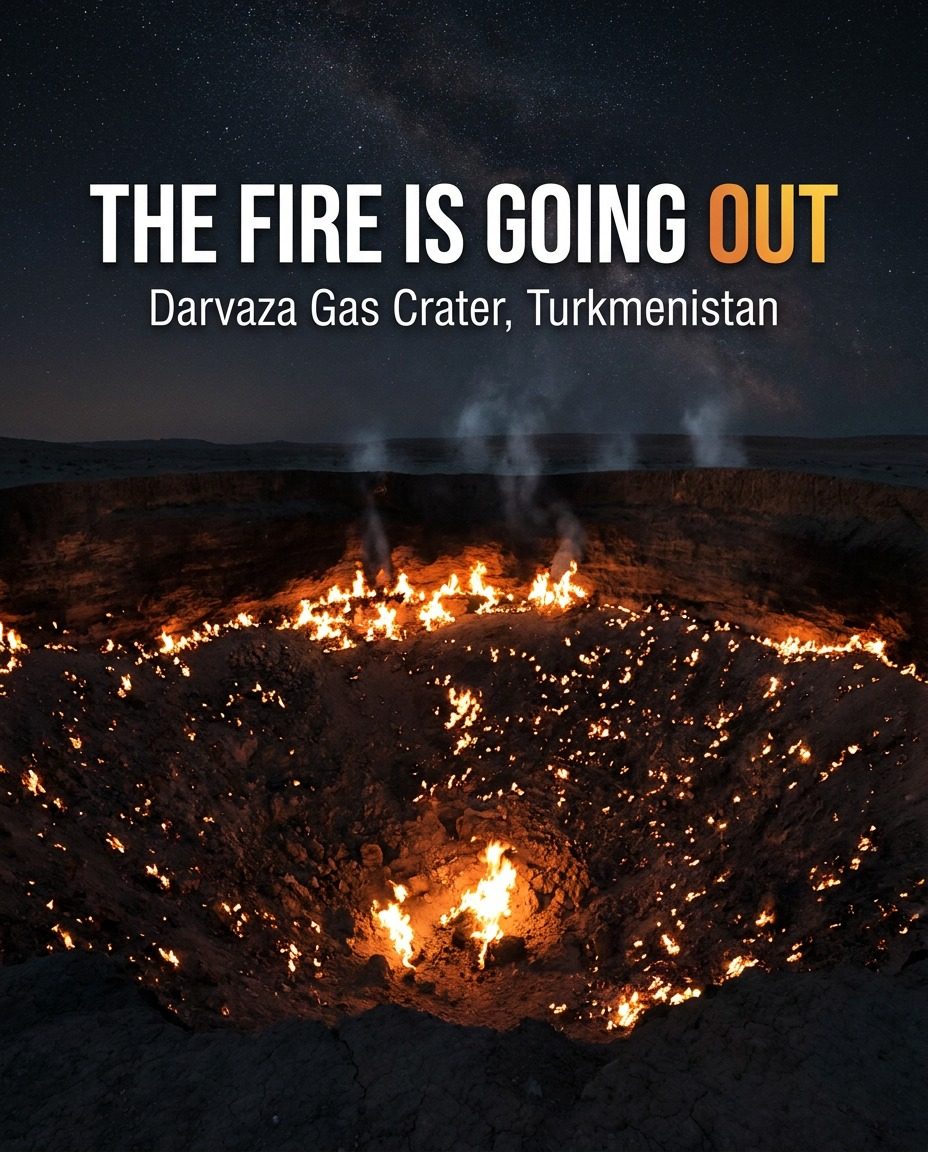
The Enduring Blaze of Darvaza
The Darvaza Gas Cater in Turkmenistan, also known as the "Gates of Hell," burns with surprising longevity. Its flames have roared since 1971, when a Soviet drilling accident brought a surreal geologic formation to life— and enduring fame. The crater offers a striking sight, with massive flames. Though the OCR text suggest that the fire is going out, it shows no sign of exhaustion. Locals and tourists alike have immense interest in the crater. The heat of the flames can reach temperatures of approximately 1,000° Celsius, producing an eerie glow that can be seen from far away. This natural phenomenon has turned the area into a popular tourist destination, drawing visitors to the Karakum Desert.
The Accidental Engineering
The Darvaza Gas Crater's origin story is rooted in Soviet-era engineering. Drillers struck a cavern filled with natural gas while digging for oil. Drillers had to evacuate the site due to a gas leak. And then, a truly bizarre idea was hatched to prevent the spread of the gas. The Soviet team set the site ablaze, expecting the fire to extinguish in a few weeks— but it endured.
The Fire that Will Not Die
Despite its unpredictable nature, the crater provides a rare glimpse into the Earth's natural processes. It really is a natural phenomenon. It's a paradox of human engineering and geologic activity. Geologists have come to study the crater, hoping to understand the longevity of such a massive and continuous burn. Some speculate that there could be a large gas reserve underground that has kept the flames alive. The Karakum Desert’s harsh conditions, with extreme temperatures, lack of rain, and scant vegetation, likely contribute to the gas cylinder’s durability. The fire doesn't rain-fall or even vegetation. Dry conditions prevent the fire from burning out. The gas is still burning. The crater itself serves as a natural well, with fresh gas likely being emitted through the sides of the crater.
Watch the Reel
Related deep dives
Similar reads based on topic and creator.


Recent articles
Fresh deep dives from the latest Reels we unpacked.



Comments
Be the first to comment.