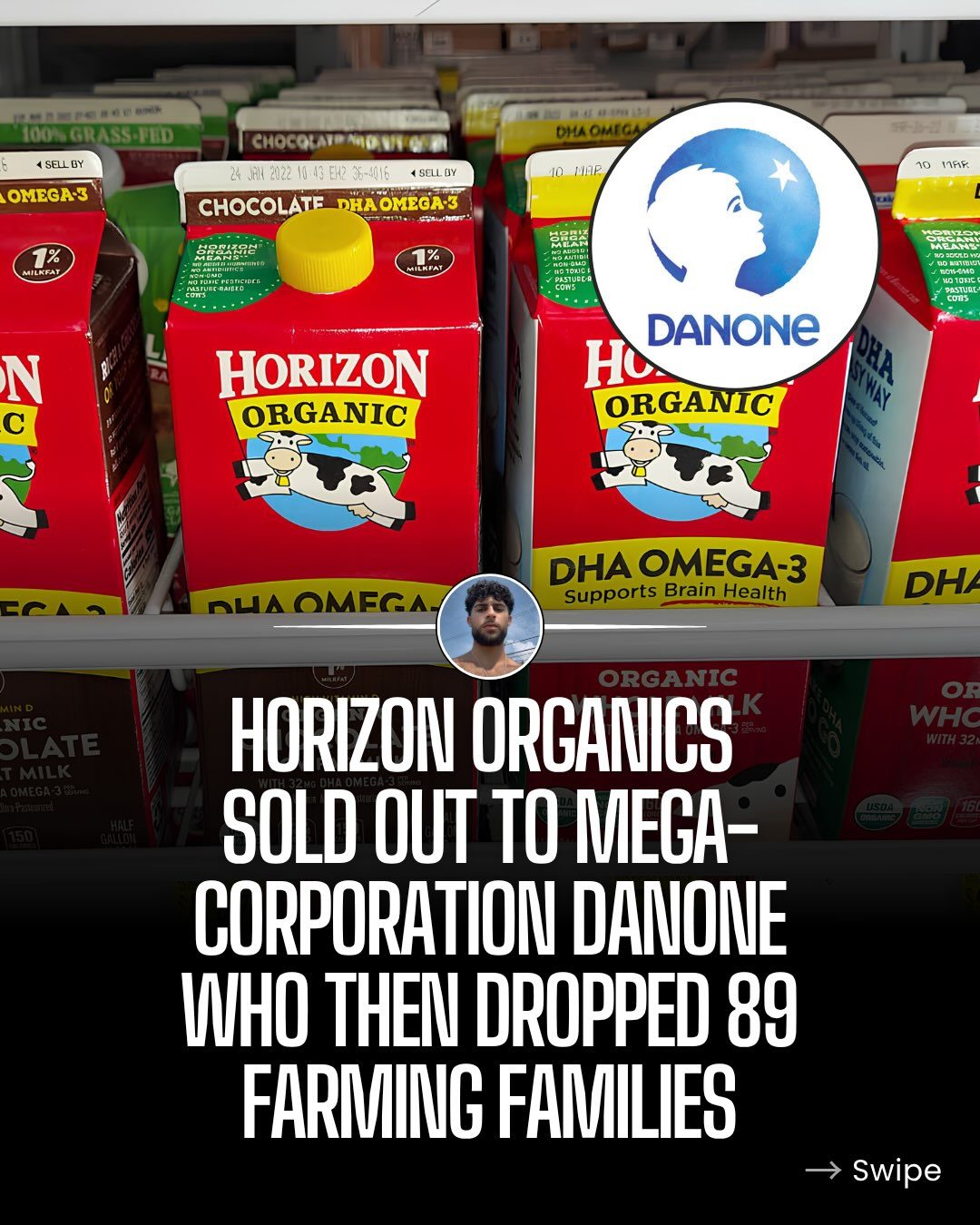
The Danone and Horizon Organic Controversy
Danone's acquisition of Horizon Organic and the subsequent termination of contracts with 89 family dairy farms has sparked significant controversy and debate in the organic dairy industry. This move, part of a larger consolidation trend, has had profound impacts on local farming communities and the organic dairy sector as a whole.
Context: Why This Matters
The organic dairy industry is a critical component of the broader food industry, valued for its commitment to sustainable and ethical farming practices. Organic milk, in particular, has seen a surge in demand as consumers become more conscious of their dietary choices and the environmental impact of their food consumption. The actions of large corporations like Danone, therefore, have far-reaching implications for both the industry and the consumers who rely on these products.
The Acquisition
Danone acquired Horizon Organic through its $12.5 billion purchase of WhiteWave Foods in 2017. This acquisition made Horizon, already a leading organic dairy brand in the United States, a key asset for Danone. Horizon Organic was known for its commitment to organic farming practices and its support for family-owned dairy farms. The acquisition was seen as a strategic move by Danone to expand its presence in the organic dairy market and solidify its position as a major player in the industry.
The Termination of Contracts
In August 2021, Danone sent termination letters to 89 family dairy farms in Vermont, New Hampshire, and Maine. The reason cited for these terminations was high trucking costs associated with transporting milk to Danone's plant in Buffalo. The company shifted its sourcing to approximately 50 larger farms closer to the Buffalo plant, claiming that this move was a better fit for its manufacturing footprint. This decision not only disrupted the livelihoods of many family farmers but also raised questions about the commitment of large corporations to small, local producers.
Main Discussion
Impact on Family Farms
The termination of contracts had a devastating impact on the family farms that had long been supplying Horizon Organic with milk. Many of these farms had been operating for generations and had built their businesses around the partnership with Horizon. The sudden loss of this partnership forced many families to make difficult decisions, including selling their herds or exiting the organic dairy business entirely.
Organic Valley, another major organic dairy cooperative, and Stonyfield, a well-known organic yogurt brand, stepped in to absorb many of the displaced farms. However, the transition was not seamless, and some families faced significant financial and operational challenges. The shift also highlighted the vulnerability of small-scale producers in the face of corporate decisions.
Corporate Consolidation in the Organic Dairy Industry
The events surrounding Danone and Horizon Organic are part of a broader trend of consolidation in the organic dairy industry. As larger corporations acquire smaller, more specialized brands, the dynamics of the industry shift. These mergers and acquisitions often lead to cost-cutting measures, which can have significant impacts on smaller producers and local communities.
Consolidation can also result in a loss of diversity and innovation in the organic dairy sector. Smaller, family-owned farms often bring unique practices and products to the market, contributing to the richness and variety of the organic dairy landscape. When these farms are squeezed out by larger corporations, the industry can become more homogenized, potentially reducing the quality and diversity of products available to consumers.
The Role of Transportation Costs
Transportation costs have emerged as a critical factor in the decisions made by large corporations regarding their supply chains. The high cost of transporting milk to processing facilities can significantly impact the financial viability of dairy operations. In the case of Danone and Horizon Organic, the decision to shift sourcing to larger farms closer to the Buffalo plant was driven by the need to reduce these costs.
This focus on cost-efficiency can have unintended consequences, as it often prioritizes financial considerations over the long-term sustainability and ethical practices of the supply chain. The decision to drop 89 family farms, while financially beneficial for Danone, came at the cost of disrupting a significant number of smaller, farm-based operations.
Practical Tips
For consumers and stakeholders in the organic dairy industry, navigating the challenges posed by corporate consolidation and cost-cutting measures requires a multi-faceted approach.
Supporting Local Organic Dairy Farms
One of the most effective ways to mitigate the impacts of corporate consolidation is to support local organic dairy farms directly. By purchasing organic dairy products from local farmers, consumers can help ensure the continued viability of these operations. This support can take various forms, including buying directly from farmers' markets, joining Community Supported Agriculture (CSA) programs, or seeking out locally produced organic dairy products in supermarkets.
Advocating for Policy Changes
Consumers and stakeholders can also advocate for policy changes that support small, family-owned farms. This can include lobbying for subsidies, tax incentives, and regulatory changes that make it easier for smaller producers to operate in a competitive market. Advocacy efforts can focus on issues such as transportation costs, access to markets, and fair pricing for organic dairy products.
Encouraging Transparency and Accountability
Encouraging transparency and accountability from large corporations like Danone is crucial. Consumers can demand that these companies provide clear information about their supply chain practices, including how they treat their suppliers and the impact of their decisions on local communities. This transparency can help hold corporations accountable for their actions and promote more ethical and sustainable practices in the industry.
Diversifying Supply Chains
Diversifying supply chains can also help mitigate the risks associated with corporate consolidation. By working with a variety of suppliers, including smaller, local producers, companies can reduce their reliance on a few large farms and promote a more sustainable and resilient industry. This diversification can also help preserve the diversity and innovation that smaller producers bring to the market.
Promoting Ethical and Sustainable Practices
Promoting ethical and sustainable practices within the organic dairy industry is essential. This can involve supporting initiatives that prioritize the well-being of animals, the environment, and the farmers themselves. Consumers and stakeholders can advocate for practices such as fair labor conditions, environmentally friendly farming methods, and the use of sustainable packaging.
Important Takeaways
The controversy surrounding Danone and Horizon Organic highlights the complex and often challenging dynamics of the organic dairy industry. The decision to terminate contracts with 89 family dairy farms not only had a significant impact on local communities but also raised broader questions about the role of corporate consolidation and cost-cutting measures in the industry.
For consumers and stakeholders, the key takeaways are clear:
- Supporting local organic dairy farms is crucial for maintaining the diversity and sustainability of the industry.
- Advocating for policy changes and promoting transparency and accountability can help ensure that corporate decisions are made with the well-being of smaller producers in mind.
- Encouraging ethical and sustainable practices is essential for promoting a more equitable and resilient organic dairy industry.
Conclusion
The controversy surrounding Danone and Horizon Organic serves as a stark reminder of the challenges and complexities inherent in the organic dairy industry. As large corporations continue to consolidate their positions in the market, it is essential to prioritize the well-being of smaller, family-owned farms and promote sustainable and ethical practices. By supporting local producers, advocating for policy changes, and encouraging transparency and accountability, consumers and stakeholders can help create a more equitable and resilient organic dairy industry for all.
Watch the Reel
Questions readers ask
What prompted Danone to terminate contracts with 89 family dairy farms after acquiring Horizon Organic?
Danone's decision to end contracts with 89 family dairy farms was primarily driven by logistical and cost considerations. The acquisition of Horizon Organic, the largest organic dairy brand, presented challenges in integrating the new operations efficiently. Danone sought to streamline its supply chain and reduce costs, which unfortunately affected these family farms, sparking widespread debate and criticism.
How has the organic dairy industry responded to Danone's acquisition of Horizon Organic and the subsequent farm terminations?
The organic dairy industry has responded with a mix of controversy and concern. Many industry stakeholders and advocates for sustainable farming have criticized Danone's actions, citing corporate responsibility and the potential impact on local communities. The terminations have raised questions about the future of organic farming and the support for family-owned farms in the sector.
What are the broader implications of this consolidation trend for the organic dairy sector?
The consolidation trend, as seen with Danone's acquisition, can lead to a significant reduction in the number of small and family-owned organic dairy farms. This shift can result in less diversity in farming practices and may influence the availability and pricing of organic dairy products. It also raises concerns about the long-term sustainability of organic farming and the support for local farms.
What steps can consumers take to support family-owned organic dairy farms affected by corporate acquisitions?
Consumers can support family-owned organic dairy farms by choosing products from local and smaller-scale producers. Additionally, they can advocate for transparency in the supply chain, encourage policies that support sustainable farming, and engage with brands to express their concerns about corporate practices. By being mindful of their purchasing decisions, consumers can help shape the future of the organic dairy industry.
What impact does the termination of dairy farm contracts have on local communities?
The termination of dairy farm contracts can have severe repercussions for local communities, including job losses and economic instability. Many family farms are deeply integrated into the local economy, and their closure can lead to the loss of employment opportunities and a reduction in the community's overall economic resilience. This can also result in a decline in local farming knowledge and practices.
Related deep dives
Similar reads based on topic and creator.




Recent articles
Fresh deep dives from the latest Reels we unpacked.




Comments
Be the first to comment.