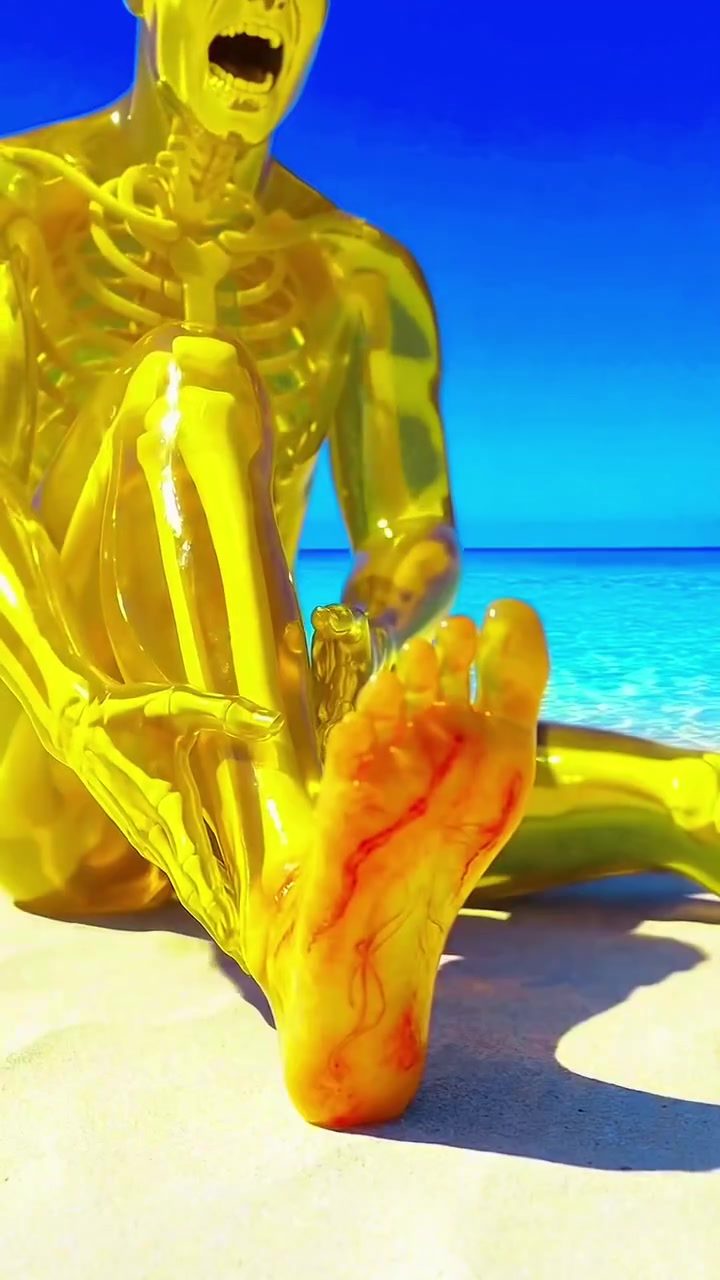
The Worst Sea Animals to Step On
Diving into the ocean, whether for a lazy beach outing or an underwater adventure, often involves encountering a variety of marine life. While most creatures pose little threat, a small number are particularly dangerous, especially if stepped on. Knowing which marine animals to watch out for can prevent serious injuries and discomfort.
Context / Why This Matters
The ocean is home to countless species, many of which are harmless, but a few are hazardous, particularly when you accidentally step on them. Understanding the risks can help you stay safe during beach walks, swimming, or diving.
What To Know
Starfish
Starfish are generally harmless, making them a popular subject for pictures. If you step on a starfish, nothing much happens. Most people pick up their phone, snap a photo, and continue on their way. But this is not the case for all sea creatures.
Sea Urchins
When a sea urchin is stepped on, things change. The moment your foot presses down, the spines pierce straight into your skin, breaking off inside your foot. The real problem arises when they get stuck under the skin, causing intense pain that doesn't go away. This can lead to a painful and prolonged recovery experience.
Jellyfish
Jellyfish take the cake for being truly dangerous. When your foot touches a jellyfish, its cells instantly release a toxin that causes an intense burning sensation. Once this happens, the pain spreads and worsens. This reaction is not a myth. It's a real and intense reaction that can leave you with a very uncomfortable experience.
Stonefish
Stonefish are one of the most dangerous fish in the ocean. They are particularly hazardous because they look exactly like a rock, blending perfectly into the sand. When stepped on, these fish inject venom instantly. Your body reacts violently, with uncontrollable spasms and extreme pain. This immediate and severe reaction makes them a creature to avoid at all costs.
Blue-Ringed Octopus
The blue-ringed octopus is known as the most dangerous sea animal in the world. If you come into contact with it, your heart starts racing uncontrollably and your body shuts down within minutes. This octopus is extremely venomous, and any contact should be avoided to prevent a deadly outcome.
Practical Tips
- Stay Alert: Always be aware of your surroundings. Watch where you step and keep an eye out for potential hazards.
- Wear Protective Footwear: Consider wearing water shoes or reef shoes when walking in shallow waters or on rocky beaches. This can provide a barrier between your feet and potential dangers.
- Learn to Identify Dangerous Species: Familiarize yourself with the appearances of dangerous marine animals and their common habitats. The more you know, the better equipped you are to avoid them.
- Seek Immediate Care: If you do get stung or stepped on by a dangerous marine animal, seek immediate medical attention. Some reactions can be life-threatening and require professional treatment.
Important Takeaways
Understanding the risks associated with stepping on certain sea animals is crucial for anyone spending time in or near the ocean. Remember the following:
- Starfish are generally harmless.
- Sea urchins, jellyfish, and stonefish can cause severe pain and discomfort.
- The blue-ringed octopus is extremely dangerous and can be fatal.
Conclusion
The ocean is a beautiful and diverse ecosystem, but it's also home to some hazardous creatures. Knowing which animals to avoid and how to respond if you encounter them can make your ocean adventures safer and more enjoyable. By staying alert, wearing protective footwear, and seeking immediate medical care if needed, you can minimize the risks and fully appreciate the wonders of the sea.
Watch the Reel
Questions readers ask
What should I do if I step on a jellyfish and experience intense pain?
If you step on a jellyfish, immediately rinse the affected area with vinegar or seawater to deactivate any remaining stinging cells. Avoid using freshwater, as it can exacerbate the sting. Seek medical attention if you experience severe pain, difficulty breathing, or signs of an allergic reaction.
How can I identify a stonefish to avoid accidentally stepping on it?
Stonefish are masters of camouflage, blending in seamlessly with their rocky surroundings. They are typically found in shallow, tropical waters. Look for a rock or piece of coral that seems to have a face or eyes. Stonefish have a distinctive, stony appearance with a mottled pattern and often have a single dorsal fin. Remember, they are ambush predators, so they don't move much and can be easily missed.
What are the risks associated with stepping on a sea creature?
Sea creatures like jellyfish and stonefish can cause serious injuries if stepped on. These injuries can range from intense pain and swelling to more severe reactions like respiratory distress and allergic reactions. Stonefish, in particular, have spines that deliver a potent venom when touched, which can be life-threatening.
What should I do if I suspect I've stepped on a venomous sea creature and have no immediate access to medical help?
If you suspect you've stepped on a venomous sea creature and are far from medical help, stay calm and keep the affected limb still to slow the spread of venom. Rinse the area with seawater and, if possible, apply a pressure-immobilization bandage. Do not attempt to suck out the venom. Seek medical help as soon as possible.
Are starfish dangerous if stepped on?
Starfish are generally not dangerous and stepping on one is unlikely to cause harm. Unlike jellyfish or stonefish, starfish lack stinging cells or venom. If you do step on a starfish, it might cause minor discomfort, but it's usually harmless. However, it's always best to be cautious and avoid stepping on any marine life to prevent unintentional harm to the creature.
How can I protect my feet from sea creature injuries while swimming or wading in the ocean?
To protect your feet from sea creature injuries, consider wearing water shoes or reef shoes, which provide a barrier against stings and punctures. Be mindful of where you step and avoid areas with rocks or coral where venomous creatures like stonefish might hide. If you're unsure, it's better to stay in deeper water where these creatures are less likely to be found.
Related deep dives
Similar reads based on topic and creator.



Recent articles
Fresh deep dives from the latest Reels we unpacked.

Comments
Be the first to comment.