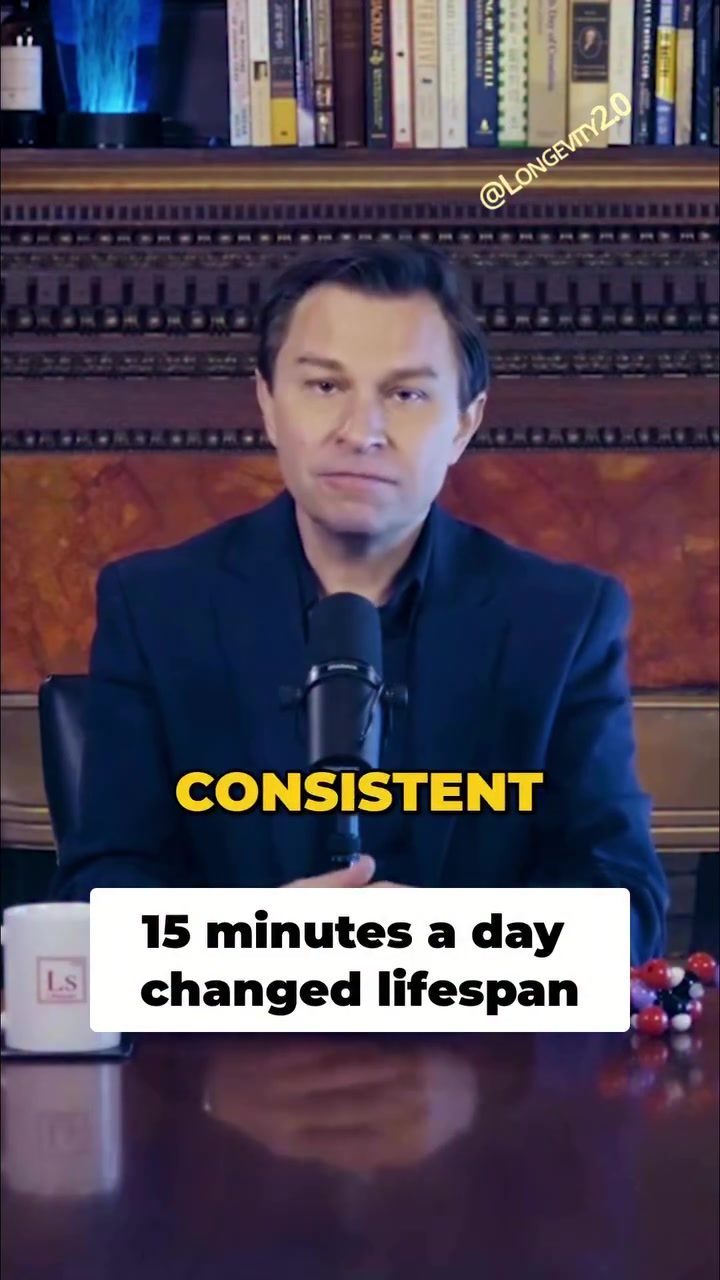
Longevity through Small Habits
Small, consistent, and measurable behaviors compound over time, significantly impacting life expectancy. This is the key finding of Longevity20, a notable figure in the field of longevity science. This principle was demonstrated in a comprehensive 2011 study published in The Lancet, which followed more than 400,000 individuals. The research revealed that engaging in just 15 minutes of moderate exercise per day was associated with a roughly three-year increase in life expectancy.
Why This Matters
This revelation underscores the importance of consistent, small actions in promoting longevity. The study underscores that longevity is not achieved through a single, massive intervention. Instead, it is the accumulation of small, repeated behaviors that can profoundly affect health and lifespan.
The Compound Effect of Small Habits
The Study's Findings
The 2011 study published in The Lancet is a pivotal piece of research in the field of longevity science. Researchers followed over 400,000 participants and discovered that even moderate exercise, as minimal as 15 minutes a day, can significantly extend life expectancy. This finding emphasizes the power of consistent, small actions in promoting health and longevity.
The Role of Exercise
Exercise plays a crucial role in overall health and longevity. It influences nearly every system in the body, including heart health, brain function, blood sugar regulation, inflammation, muscle preservation, and biological aging. The study's results show that even a short walk or a simple workout can contribute to these benefits.
The Impact of Consistent Movement
Consistent movement is key to the benefits observed in the study. This doesn’t mean hours in the gym or elite athletic performance. Instead, it's about regular, moderate exercise that fits into daily routines. This could be a short walk, a morning jog, or any activity that keeps the body in motion.
Examples of Small Habits
Examples of small habits that contribute to longevity include:
- A short walk daily
- Regular workouts
- Better sleep
- Healthier food choices
These tiny actions, when repeated consistently over years, can reshape an individual's biology and significantly impact their lifespan.
How Exercise Influences the Body
Exercise has a profound impact on various systems in the body:
- Heart Health: Regular exercise strengthens the heart and improves cardiovascular function.
- Brain Function: Physical activity boosts cognitive function and helps prevent age-related cognitive decline.
- Blood Sugar Regulation: Exercise helps regulate blood sugar levels, reducing the risk of developing diabetes.
- Inflammation: Moderate exercise reduces inflammation, which is linked to various chronic diseases.
- Muscle Preservation: Regular physical activity helps maintain muscle mass and strength.
- Biological Aging: Exercise slows down the biological aging process, promoting overall health and longevity.
Practical Tips
Incorporating small, consistent habits into daily life can be straightforward with the right approach. Here are some practical tips:
Start Small
Begin with small, manageable goals. For example, aim for 15 minutes of moderate exercise daily. This could be a walk, a bike ride, or a simple workout.
Make It a Routine
Incorporate exercise into your daily routine. This could be a morning walk, a lunchtime workout, or an evening bike ride. Consistency is key.
Choose Activities You Enjoy
Find activities you enjoy to make it easier to stick with them. Whether it's dancing, swimming, or hiking, choosing activities you love will make them feel less like a chore.
Track Your Progress
Keep a journal or use a fitness app to track your progress. Seeing your improvements over time can be a powerful motivator.
Stay Flexible
Life happens, and sometimes routines need to be adjusted. Stay flexible and adapt your habits as needed to keep moving forward.
Important Takeaways
The key takeaways from the 2011 Lancet study and the broader findings in longevity science are clear:
- Small, consistent behaviors add up over time, significantly contributing to longevity.
- Regular, moderate exercise is a powerful tool in promoting health and extending life expectancy.
- Longevity is about consistent, small actions, not massive interventions.
- Physical activity influences nearly every system in the body, making it essential for overall health.
Conclusion
The study highlighted by Longevity20 underscores the profound impact of small, consistent habits on life expectancy and overall health. By incorporating regular, moderate exercise and maintaining a healthy lifestyle, individuals can significantly improve their chances of living longer, healthier lives. When it comes to longevity, it's the small, consistent actions that truly matter.
Watch the Reel
Questions readers ask
How much exercise is needed to see benefits in longevity?
Just 15 minutes of moderate exercise per day can lead to a significant increase in lifespan. This is supported by a large study, published in *The Lancet*, where it was found to add roughly three years to life expectancy. A small amount of consistent exercise is enough to have a big impact on longevity.
What kind of exercise is effective for longevity?
The type of exercise matters less than consistency. Moderate exercise, such as brisk walking, cycling, or swimming, is effective. Even simple activities, like walking your dog or taking the stairs, count toward your daily exercise goal. Maintain a consistent routine, regardless of the activity chosen.
Can short exercise routines really make a difference in lifespan?
Yes, short exercise routines can make a significant difference in lifespan. The key is consistency. Engaging in just 15 minutes of moderate exercise daily can add up to three years to your life. This is backed by extensive research, including a study with over 400,000 participants.
Why does daily exercise lead to a longer lifespan?
Daily exercise contributes to a longer lifespan by improving overall health, reducing the risk of chronic diseases, and enhancing mental well-being. Consistent physical activity helps maintain a healthy weight, improves cardiovascular health, and boosts the immune system.
What are some easy ways to incorporate 15 minutes of exercise into my daily routine?
There are many simple ways to incorporate 15 minutes of exercise into your daily routine. You can take a brisk walk during your lunch break, do some light stretching while watching TV, or take the stairs instead of the elevator. Choose activities that you enjoy and can easily fit into your schedule.
What does the study published in *The Lancet* reveal about exercise and longevity?
The study published in *The Lancet* in 2011, which involved over 400,000 individuals, revealed that engaging in 15 minutes of moderate exercise per day can extend life expectancy by roughly three years. This emphasizes that consistent, small actions are key to achieving a longer, healthier life.
Is it necessary to have a rigorous fitness regimen to boost longevity?
No, a rigorous fitness regimen is not necessary to boost longevity. The key is consistency, and even small actions can lead to a significant increase in lifespan. Instead of focusing on intense, infrequent exercise, aim for consistent, moderate physical activity, such as 15 minutes of exercise daily.
Related deep dives
Similar reads based on topic and creator.




Recent articles
Fresh deep dives from the latest Reels we unpacked.




Comments
Be the first to comment.