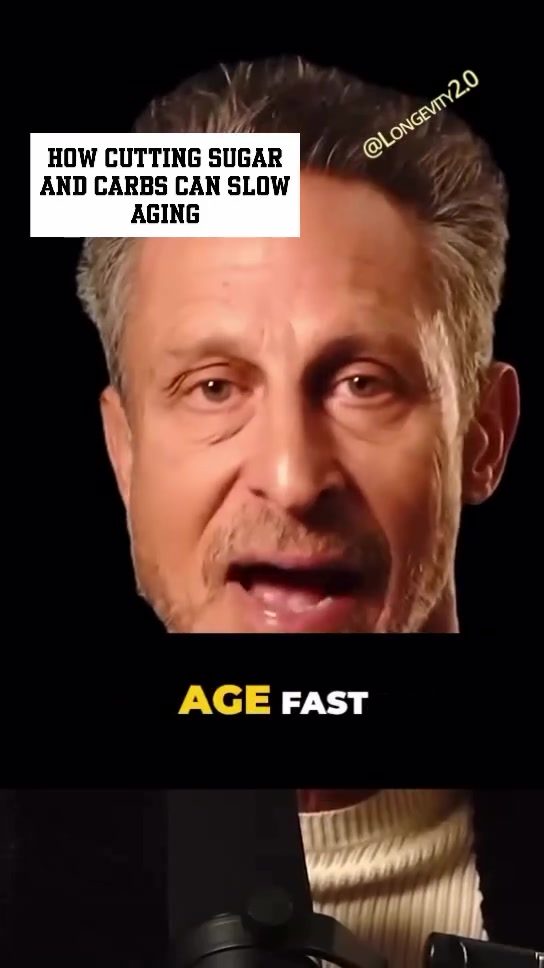
How Cutting Sugar and Carbs Can Slow Aging
The impact of sugar and carbohydrates on the aging process is profound. Dr. Mark Hyman, a prominent figure in the health and wellness community, emphasizes that consuming sugar and carbs like flour can significantly accelerate aging. These foods drive inflammation, increase belly fat, and lead to a host of health issues, including metabolic dysfunction, cancer, heart disease, diabetes, and dementia. By reducing or eliminating these foods from your diet, you can slow down the aging process and improve overall health.
Why This Matters
Understanding the role of diet in aging is crucial for maintaining long-term health. The foods we consume have a direct impact on our biological processes, influencing everything from inflammation levels to metabolic function. By making informed dietary choices, individuals can take proactive steps to slow aging and enhance their quality of life.
The Impact of Sugar and Carbs on Aging
Sugar and carbs, particularly refined ones like flour, are notorious for their negative effects on the body. These foods are the primary drivers of inflammation, which is a key factor in the aging process. Inflammation contributes to various health issues, including chronic diseases and accelerated aging.
Inflammation and Aging
Inflammation is a natural response of the body to injury or infection, but chronic inflammation can have detrimental effects. High levels of inflammation are linked to a range of age-related conditions, including heart disease, diabetes, and even cognitive decline. Cutting out sugar and carbs can help reduce inflammation, thereby slowing down the aging process.
Gut Bacteria and Metabolic Health
The gut microbiome plays a crucial role in overall health, including metabolic function. Sugar and carbs can disrupt the balance of gut bacteria, leading to metabolic dysfunction. A healthy gut microbiome is essential for proper metabolism, nutrient absorption, and immune function. By eliminating or reducing sugar and carbs, you can support a healthier gut microbiome and improve metabolic health.
Belly Fat and Aging
Belly fat, or visceral fat, is particularly harmful because it surrounds vital organs and releases inflammatory chemicals. High levels of belly fat are associated with an increased risk of chronic diseases and accelerated aging. Sugar and carbs contribute to the accumulation of belly fat, making it essential to limit their intake for better health outcomes.
The Role of Diet in Aging
Diet is a powerful tool for influencing the aging process. By making strategic dietary choices, individuals can support their health and longevity.
The Importance of a Balanced Diet
A balanced diet rich in nutrients, vitamins, and minerals can support overall health and slow down aging. Consuming a variety of whole foods, including fruits, vegetables, lean proteins, and healthy fats, can provide the body with the necessary nutrients to function optimally.
Limiting Sugar and Carbs
Limiting or eliminating sugar and carbs can have a significant impact on health and aging. These foods are often high in calories but low in nutrients, making them a poor choice for long-term health. By replacing them with nutrient-dense alternatives, individuals can support their health and slow down the aging process.
The Benefits of Plant-Based Proteins
Plant-based proteins are an excellent source of nutrition and can support overall health. Foods like legumes, nuts, and seeds are high in protein, fiber, and essential nutrients, making them a healthier alternative to processed foods high in sugar and carbs. Incorporating more plant-based proteins into your diet can support metabolic health and slow down aging.
Practical Tips for Reducing Sugar and Carbs
Reducing sugar and carbs can be challenging, but with the right strategies, it is achievable. Here are some practical tips to help you get started:
Read Food Labels
Reading food labels can help you make informed choices about what you eat. Look for products with low sugar and carb content, and opt for whole, unprocessed foods whenever possible.
Choose Whole Foods
Whole foods are a great source of nutrition and can support overall health. Fruits, vegetables, lean proteins, and healthy fats are excellent choices for a balanced diet.
Incorporate More Fiber
Fiber is essential for digestive health and can help you feel full and satisfied. Foods high in fiber, such as fruits, vegetables, and whole grains, can support a healthy gut microbiome and improve metabolic function.
Stay Hydrated
Staying hydrated is crucial for overall health and can support metabolic function. Drinking plenty of water can help flush out toxins and support a healthy gut microbiome.
Eat Regularly
Eating regular meals can help maintain stable blood sugar levels and support metabolic health. Aim for balanced meals that include a variety of nutrients, vitamins, and minerals.
Important Takeaways
The impact of sugar and carbs on the aging process is significant. By reducing or eliminating these foods from your diet, you can slow down aging, improve metabolic health, and support overall well-being. Incorporating more whole foods, plant-based proteins, and fiber into your diet can help you achieve these goals.
The Impact of Diet on Aging
Diet plays a critical role in the aging process. Consuming a balanced diet rich in nutrients, vitamins, and minerals can support overall health and slow down aging. Limiting sugar and carbs can help reduce inflammation, improve metabolic function, and support a healthy gut microbiome.
The Benefits of a Balanced Diet
A balanced diet can support overall health and longevity. By incorporating more whole foods, plant-based proteins, and fiber into your diet, you can achieve better health outcomes and slow down the aging process.
The Role of Gut Bacteria in Aging
The gut microbiome plays a crucial role in overall health, including metabolic function. Supporting a healthy gut microbiome through diet can improve metabolic health and slow down aging.
The Importance of Hydration
Staying hydrated is essential for overall health and can support metabolic function. Drinking plenty of water can help flush out toxins and support a healthy gut microbiome.
Conclusion
Cutting sugar and carbs from your diet can significantly slow down the aging process and support overall health. By understanding the impact of these foods on the body and making strategic dietary choices, individuals can take proactive steps to improve their health and longevity. Incorporating more whole foods, plant-based proteins, and fiber into your diet can help you achieve these goals and support a healthier, longer life.
Watch the Reel
Questions readers ask
How does Dr. Mark Hyman suggest sugar and carbs contribute to aging?
Dr. Mark Hyman explains that sugar and carbs, especially refined ones, accelerate aging by triggering inflammation in the body and causing metabolic dysfunction. This can lead to various health issues that speed up the aging process.
What are some health benefits of reducing sugar and carb intake?
By cutting back on sugar and carbs, you can lower inflammation, reduce belly fat, and decrease the risk of diseases like cancer, heart disease, diabetes, and dementia. These changes can significantly slow down aging and improve overall health.
What types of foods should be avoided to support an anti-aging diet?
Dr. Hyman advises minimizing or eliminating refined carbohydrates such as flour and sugars. These foods are significantly linked to inflammation and metabolic dysfunction, which contribute to faster aging.
How can cutting carbs impact overall health?
Reducing carb intake can help lower inflammation, improve metabolic function, and decrease the risk of chronic diseases. This can lead to a slower aging process and better overall health, including improved gut health and reduced cancer risk.
What are some recommendations by Dr. Mark Hyman for reducing sugar intake?
Dr. Hyman suggests focusing on whole, unprocessed foods and avoiding refined sugars and carbohydrates. He also recommends being mindful of hidden sugars in foods and opting for healthier alternatives to satisfy sweet cravings.
Are there specific dietary guidelines from Dr. Mark Hyman for slowing down aging?
Dr. Hyman suggests a diet low in refined carbs and sugars, and high in whole, nutrient-dense foods. He emphasizes the importance of reducing inflammation and maintaining metabolic health through a balanced, anti-inflammatory diet.
Recent articles
Fresh deep dives from the latest Reels we unpacked.




Comments
Be the first to comment.