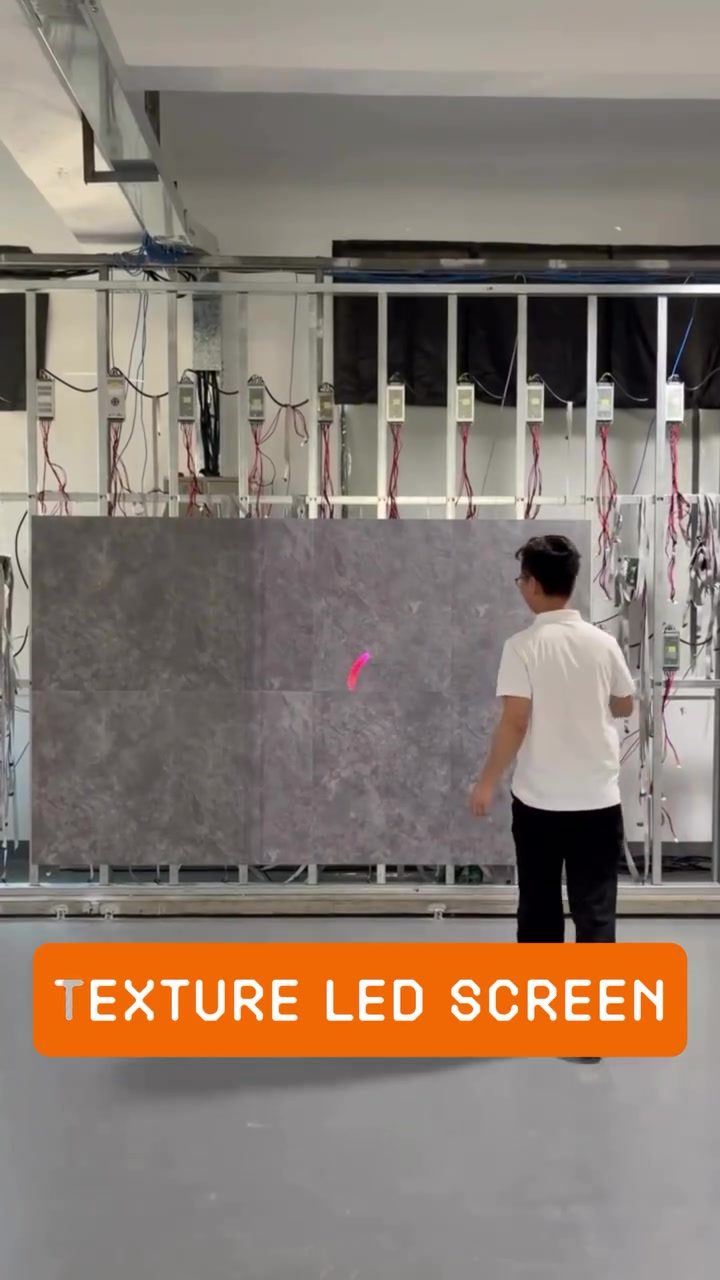
Customizing LED Screens with Textures and Patterns
LED screens have become an integral part of modern interiors, offering a blend of functionality and aesthetic appeal. One of the most innovative features of these screens is the ability to customize their surfaces with a variety of textures and patterns. This customization not only enhances the visual appeal but also allows the screens to blend seamlessly into different environments, making them a versatile choice for both residential and commercial spaces.
Why This Matters
Customizing LED screens with textures and patterns offers several advantages. Firstly, it allows the screens to fit harmoniously into any decor style, whether modern, minimalist, or traditional. Secondly, the ability to switch between a static, decorative appearance and a dynamic, multimedia display provides versatility that traditional screens lack. This makes LED screens a valuable addition to spaces where both aesthetics and functionality are crucial, such as luxury homes, high-end commercial interiors, and public installations.
Understanding Texture LED Screens
The Technology Behind Texture LED Screens
Texture LED screens leverage advanced display technology to create a surface that can mimic various materials. This is achieved through a combination of high-resolution LED panels and sophisticated software that can manipulate the surface appearance. The LED panels are designed to be both thin and durable, allowing them to be easily integrated into different types of surfaces, such as walls, ceilings, or even furniture.
Customization Options
One of the standout features of texture LED screens is the ability to customize the surface with endless textures and patterns. This versatility means that the screens can be tailored to match almost any design scheme. For example, a screen can feature a natural stone grain, wood grain, or even a metallic finish, allowing it to blend perfectly with the surrounding decor when powered off.
The Benefits of Customized Textures
Aesthetic Appeal
Customized textures enhance the aesthetic appeal of LED screens. When powered off, the screen can mimic the appearance of a real stone panel, a piece of art, or any other decorative element. This means that the screen does not stand out as a technological intrusion but rather as a harmonious part of the overall design. When powered on, the screen transforms into a dynamic display, showcasing videos, images, or interactive content.
Versatility in Use
The ability to switch between a static decorative appearance and a dynamic display makes texture LED screens highly versatile. In a residential setting, the screen can serve as a piece of art when not in use and transform into a multimedia display for entertainment or information when needed. In commercial spaces, such as retail stores, hotels, or corporate offices, the screen can be used for advertising, wayfinding, or as an interactive kiosk.
Practical Applications
Residential Use
For homeowners, texture LED screens offer a unique way to enhance the interior design. The screens can be customized to match the style of the room, whether it's a modern living room, a cozy bedroom, or a sleek kitchen. When not in use, the screen can blend seamlessly with the decor, adding a subtle touch of elegance. When turned on, it can display personal photos, artwork, or even serve as a smart home control panel.
Commercial Use
In commercial settings, texture LED screens can be used for a variety of purposes. Retail stores can use them to create eye-catching displays that attract customers and showcase products. Hotels can use them as decorative elements in lobbies, hallways, or guest rooms, providing a modern and luxurious experience. Corporate offices can use them for presentations, meetings, or as interactive kiosks for employees and visitors.
Practical Tips for Maximizing the Use of Texture LED Screens
Choosing the Right Texture
When selecting a texture for your LED screen, consider the overall aesthetic of the space where it will be installed. For a natural, rustic look, a stone or wood grain texture might be ideal. For a modern, sleek appearance, a metallic or glass finish could be more appropriate. The key is to choose a texture that complements the existing decor and enhances the overall design.
Placement and Installation
The placement of the LED screen is crucial for maximizing its impact. In residential settings, consider placing the screen in a prominent location where it can be easily seen and appreciated. In commercial settings, the screen should be placed in an area where it can effectively serve its intended purpose, whether that's attracting customers, providing information, or enhancing the overall aesthetic.
Software and Content
To make the most of your texture LED screen, invest in high-quality software and content. The software should allow for easy customization of the screen's appearance and functionality. High-quality content, such as videos, images, or interactive applications, will ensure that the screen remains engaging and relevant.
Important Takeaways
Texture LED screens offer a unique combination of aesthetic appeal and functional versatility. By customizing the surface with various textures and patterns, these screens can blend seamlessly into any decor, making them an excellent addition to both residential and commercial spaces. Whether used for entertainment, advertising, or as a decorative element, texture LED screens provide a modern and sophisticated solution for enhancing any environment.
Conclusion
The ability to customize LED screens with a variety of textures and patterns opens up a world of possibilities for interior design and functionality. Whether you're looking to add a touch of elegance to your home or create a dynamic display for a commercial space, texture LED screens offer a versatile and visually appealing solution. By understanding the benefits and practical applications of these screens, you can make informed decisions about how to integrate them into your space, ensuring they become a valuable and attractive addition to your environment.
Watch the Reel
Questions readers ask
What types of textures can be applied to customizable LED screens for luxury interior designs?
Customizable LED screens can mimic a variety of textures, including wood, stone, fabric, and metallic finishes. This versatility allows them to blend seamlessly with different interior styles, enhancing the overall aesthetic of high-end residential and commercial spaces.
Can LED screen textures be changed over time?
Yes, many customizable LED screens allow for dynamic changes in texture and pattern. This means you can switch between different textures to match changing decor or seasonal themes, providing a unique and adaptable design element in your space.
How do textured LED screens differ from traditional LED displays in luxury interiors?
Textured LED screens offer an additional layer of customization and visual interest compared to traditional LED displays. By incorporating textures and patterns, these screens can mimic various materials, making them more versatile and better suited for blending into luxury interior designs.
What are the benefits of using dynamic LED surfaces in high-end interior LED screens?
Dynamic LED surfaces allow for real-time changes in both visual content and texture. This feature is particularly useful in luxury settings where the environment might frequently change, such as in event spaces, retail displays, or high-end hospitality areas, offering endless creative possibilities.
How can textured LED screen patterns enhance a luxury interior setting?
Textured LED screen patterns enhance a luxury interior by providing a unique visual element that can be tailored to the specific design aesthetic. Whether you want a sleek, modern look or a more traditional, textured appearance, these screens can be customized to fit the desired style, adding a touch of sophistication and personalization to the space.
Are there specific textures that work best in luxury LED room displays?
The best textures for luxury LED room displays depend on the specific design goals. For a modern, sleek look, metallic or smooth textures might be ideal. For a more traditional or rustic feel, wood or stone textures can create a warm, inviting atmosphere. High-end interiors often benefit from textures that mimic luxurious materials, such as marble or velvet.
How can LED screen texture options be customized for different environments?
LED screen texture options can be customized through software settings that allow users to select from a variety of pre-designed textures or upload custom designs. This flexibility ensures that the screens can be adapted to different environments, from corporate offices to high-end residential spaces, making them a versatile choice for various settings.
Related deep dives
Similar reads based on topic and creator.



Recent articles
Fresh deep dives from the latest Reels we unpacked.




Comments
Be the first to comment.