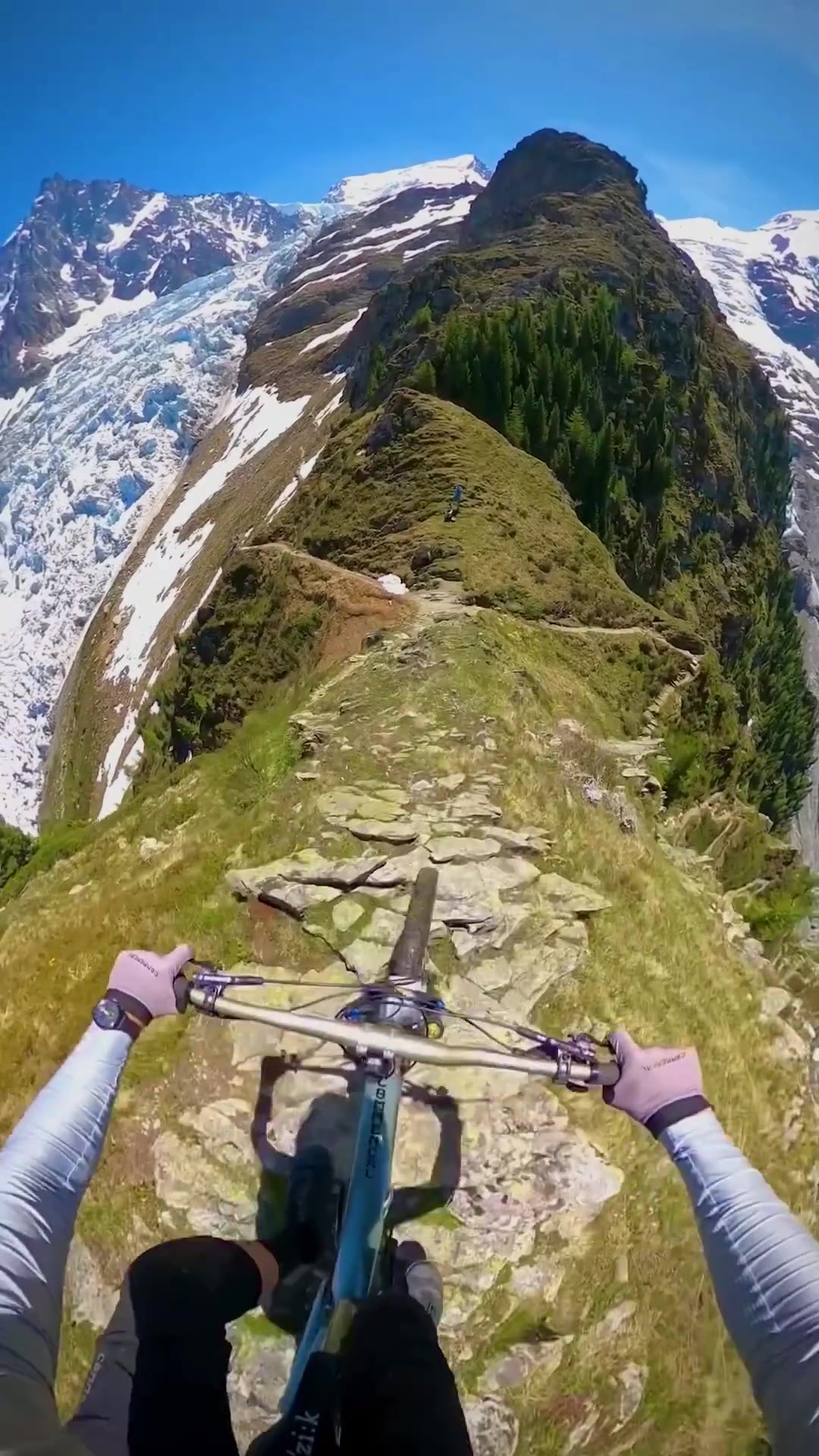
Mountain biking descents demand a precise blend of skill, control, and courage. Each twist and turn of the trail is a test of both rider and machine, as a cycling downhill fanatic might be met with a "prescription of a bullet made of lead." The bike, a Cube bike, is the tool that makes this perilous quest possible. Navigating such terrain is about mastering momentum, terrain, and the ability to recover from mistakes.
Downhill riding fundamentals
Mountain biking descents involve accelerating down steep, often technical terrain at high speeds. The rider must control the bike while navigating obstacles like rocks, roots, and drops. This form of cycling requires a specialized bike, typically with full suspension, large disc brakes, and durable components to withstand the demands of high-speed descents and rough terrain. Riders typically adopt a crouched stance, weighting the rear tire to maintain traction. Not all readers may be aware of the importance of though full body positioning when decending. Balancing the distance of your bike, adjusting the body's weight distribution is key to maintaining control and stability. The bike is often ridden with the saddle lowered to allow for easy movement and better balance.
The Body and The Road
A rider on a descent must quickly interpret and react to the terrain ahead, while also managing the bike's speed and trajectory. In the dark, wet conditions of a storm, the challenges multiply. Changes in the trail's surface and slope require constant adjustments. It's about the best way to move the bike, the rider is constantly scanning with quick, focused glances to assess the trail surface, identifying obstacles and potential hazards. The rider must be ready to react to unexpected changes and to carry momentum and velocity.
The Soul of the Ride
While the Cube bike is uniquely designed for aggressive riding, the rider's responsibility to protect the bike is paramount. Like when the rider "hoping I could rid of all the voices in my head".
Bike Features: Vital Ingredients for Conquering descents
A Cube mountain bike’s key features include suspension, durable components like robust tires, brakes, and a reliable drivetrain. The geometry of a downhill bike, typically featuring a slack head tube angle and a long wheelbase, enhances stability and control. Durability is crucial, as the bike must endure repeated impacts and stress. Dual suspension systems, featuring both front forks and rear shocks, provide better control and comfort by absorbing rough terrain. Slightly more angled geometry ensures stability even at high speeds, and strong, sturdy tires with aggressive tread patterns provide traction. Bikes without such features may not be as adept at handling high-speed descents.
Riding Safety
The safety risks associated with mountain biking descents are numerous, ranging from falls and collisions to more serious injuries. Even a skilled rider needs robust gear to safeguard against crashes. Risks can be mitigated through proper training, skill development, and a thorough understanding of the terrain. However, inexperienced riders should approach such challenges with caution to avoid pushing their limits too soon.
The Downhill Community
The thrill of mountain biking descents has also fueled the growth of an active and passionate community of enthusiasts. Riders share experiences, tips, and gear recommendations, creating a culture that celebrates both the sport and the camaraderie it fosters.
Finding Your Form
To begin with mountain biking, pick the appropriate bike and gear for safety. If you're unfamiliar with a trail, test the waters on easier trails before moving to those with more challenging obstacles. When preparing for a descent, scout the trail first. Learn to anticipate which turns require sharp angles, brakes, and when to lean forward or backwards. Start on easy trails, gradually advancing to more challenging descents as skills improve. Equipment and protective gear are essential, including a well-fitting helmet, gloves, and appropriate clothing. As some might say, "riding with a prescription of a bullet made of lead."
Watch the Reel
Questions readers ask
What makes a Cube bike suitable for downhill mountain biking?
A Cube bike is designed with features like full suspension, large disc brakes, and durable components. These elements help handle the high speeds and rough terrain typical of downhill descents, providing both control and comfort. The bike's geometry, including a slack head tube angle and long wheelbase, enhances stability, making it ideal for aggressive riding.
How does body positioning affect downhill riding?
Body positioning is crucial for maintaining control and stability during downhill rides. Riders typically adopt a crouched stance, weighting the rear tire to keep traction. Adjusting the body's weight distribution helps navigate obstacles and maintain balance, especially on steep or technical terrain.
What are the key features of a Cube mountain bike that aid in downhill riding?
Key features include dual suspension systems for better control and comfort, robust tires with aggressive tread patterns for traction, and a reliable drivetrain. The bike's geometry, with a slack head tube angle and long wheelbase, enhances stability even at high speeds, making it well-suited for downhill descents.
What are the risks of downhill mountain biking, and how can they be mitigated?
Downhill mountain biking carries risks like falls, collisions, and serious injuries. To mitigate these risks, riders should invest in robust gear, undergo proper training, and develop their skills. Understanding the terrain and approaching challenges with caution, especially for inexperienced riders, is also crucial.
Why is full body positioning important when descending?
Full body positioning is essential for maintaining control and stability during descents. It involves balancing the distance of your bike and adjusting the body's weight distribution. This helps in navigating obstacles and maintaining traction, especially on steep or technical terrain.
How does a Cube bike's geometry contribute to its performance in downhill riding?
The geometry of a Cube bike, with a slack head tube angle and a long wheelbase, enhances stability and control. This design allows the bike to handle high speeds and rough terrain more effectively, providing a safer and more controlled ride downhill.
What role does the rider play in protecting their bike during downhill rides?
The rider plays a crucial role in protecting the bike by riding responsibly and avoiding unnecessary risks. This includes maintaining the bike properly, using it within its designed limits, and being aware of the terrain to prevent damage from impacts and stress.
Related deep dives
Similar reads based on topic and creator.




Recent articles
Fresh deep dives from the latest Reels we unpacked.




Comments
Be the first to comment.