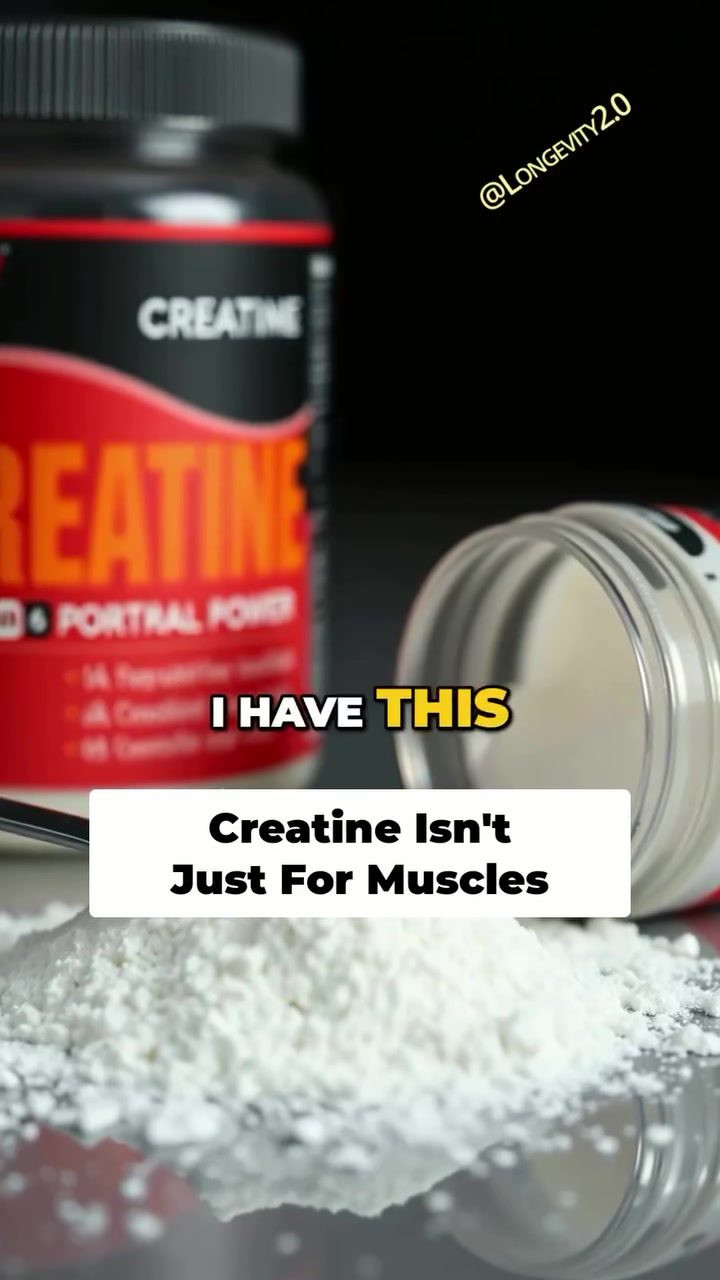
Creatine Supplement Benefits
Creatine, a naturally occurring molecule, has long been recognized for its role in enhancing physical performance. However, its benefits extend far beyond muscle growth and recovery. Creatine plays a crucial role in brain health, making it a vital supplement for overall well-being.
Why This Matters
The brain is one of the most energy-demanding organs in the body. Creatine helps regenerate ATP, the primary energy currency used by both muscles and brain cells. This makes creatine an essential supplement for supporting cognitive performance, brain energy metabolism, and healthy aging. Emerging research suggests that creatine may also aid in recovery during periods of stress and enhance exercise capacity. Scientists are actively investigating creatine's potential role in supporting brain resilience during sleep deprivation, concussions, high-stress situations, and neurological conditions associated with impaired energy metabolism.
Understanding Creatine
Creatine is a naturally occurring molecule produced by the body in small amounts—around two to three grams per day. However, this endogenous production is insufficient for optimal levels. Supplementing with creatine has become a common practice, especially among athletes and fitness enthusiasts. Historically, people have been supplementing with about five grams of creatine per day. This dose has shown enormous benefits for the brain. But there's a catch: when you supplement with five grams of creatine, the muscles, being "hungry" for energy, absorb most of it, leaving little for the brain. Additionally, some of the creatine is lost as it crosses the blood-brain barrier.
High-Dose Creatine for Brain Health
Recent studies have highlighted the benefits of higher doses of creatine, particularly for brain health. A pilot study published last year focused on Alzheimer's disease patients, who are in an energetic crisis and struggle to produce energy effectively. Participants in the study were given 20 grams of creatine per day. The results were impressive: patients experienced preserved cognitive functions, increased energy levels, and improved exercise capacity. This study underscores creatine's potential to protect the brain against various stressors, including concussions, strokes, and high-stress situations.
The Benefits of Creatine for Brain Health
One of the most compelling aspects of creatine is its ability to work in the background, providing support during stress. This makes it an invaluable supplement for maintaining cognitive performance and overall brain health. The benefits of creatine for the brain include:
- Cognitive Performance: Creatine helps regenerate ATP, which is crucial for brain cell function. This can lead to improved cognitive performance and mental clarity.
- Brain Energy Metabolism: By supporting ATP production, creatine enhances the brain's energy metabolism, ensuring that brain cells have the energy they need to function optimally.
- Recovery During Periods of Stress: Creatine's ability to support energy production makes it an excellent supplement for recovering from periods of stress, whether physical or mental.
- Exercise Capacity: Creatine is well-known for its ability to enhance physical performance, but it also supports brain functions during intense physical activity.
- Healthy Aging: As we age, our bodies produce less creatine. Supplementing with creatine can help maintain optimal levels, supporting both physical and cognitive health.
Practical Tips for Creatine Supplementation
If you're considering creatine supplementation, here are some practical tips to help you get the most out of this powerful supplement:
Choosing the Right Dosage
The standard dose of creatine is around five grams per day. However, for brain health, higher doses may be necessary. Consult with a healthcare professional to determine the appropriate dosage for your specific needs. Higher doses may be recommended for conditions like Alzheimer's or other neurological disorders where brain energy metabolism is impaired.
Quality Matters
When choosing a creatine supplement, quality is essential. Look for reputable brands like Portal Power, which are known for their purity and effectiveness. Always check the label to ensure you're getting a high-quality product.
Timing Your Supplementation
The timing of your creatine supplementation can also impact its effectiveness. Some studies suggest that taking creatine post-workout can enhance its benefits for muscle recovery and growth. However, for brain health, consistency is key. Aim to take your creatine supplement at the same time each day to maintain stable levels in your body.
Important Takeaways
Creatine is more than just a sports supplement. Its benefits for brain health are well-documented, making it a valuable addition to any health regimen. Whether you're looking to enhance cognitive performance, support brain energy metabolism, or simply maintain overall health, creatine can play a crucial role. Here are the key takeaways:
- Creatine supports brain energy metabolism and cognitive performance.
- Higher doses of creatine may be beneficial for brain health, especially in cases of neurological disorders.
- Creatine works in the background to support the brain during periods of stress.
- Choosing a high-quality creatine supplement and consistent supplementation are crucial for optimal benefits.
Conclusion
Creatine's benefits extend far beyond muscle growth and recovery. Its role in supporting brain health makes it a valuable supplement for anyone looking to enhance cognitive performance, support brain energy metabolism, and maintain overall health. Whether you're an athlete, a student, or simply looking to age better, creatine can be a powerful tool in your health arsenal. Always consult with a healthcare professional before starting any new supplement regimen to ensure it's right for you.
Watch the Reel
Questions readers ask
How does creatine support brain health and energy metabolism?
Creatine aids in regenerating ATP, which is the primary energy source for brain cells. By supporting energy metabolism, creatine enhances cognitive function and overall brain performance. This makes it a key supplement for maintaining brain health and vitality.
Can creatine help with managing stress and concussion recovery?
Yes, creatine has been shown to support the brain during periods of stress. It also aids in concussion recovery by promoting energy production and protecting brain cells from damage. This makes it a valuable supplement for individuals recovering from head injuries.
What are the cognitive benefits of taking creatine supplements?
Creatine supplements can enhance cognitive function by improving energy metabolism in the brain. This leads to better mental performance, including improved memory and learning abilities. Regular creatine intake may also support healthy aging by maintaining optimal brain function.
What is the recommended daily intake of creatine for brain health?
The typical recommended dose of creatine for brain health is between 3-5 grams per day. This amount is generally sufficient to support cognitive function and brain energy metabolism. For optimal results, it is often recommended to take creatine daily as a part of a consistent supplement regimen.
How does creatine aid in the management of neurological conditions?
Creatine has been found to have neuroprotective properties, making it beneficial for managing neurological conditions. It supports brain energy metabolism, reduces oxidative stress, and helps maintain overall brain health.
Can creatine supplements be beneficial for healthy aging?
Yes, creatine supplements can support healthy aging by maintaining optimal brain function. As we age, the brain's energy needs increase, and creatine helps meet these demands by enhancing energy metabolism and cognitive performance.
Does creatine have a role in protecting the brain from stress and injuries?
Creatine can provide neuroprotection during periods of stress, exercise, and even after injuries such as concussions. It helps to boost energy levels in the brain, which can help in faster recovery and maintain overall brain health.
Related deep dives
Similar reads based on topic and creator.

Recent articles
Fresh deep dives from the latest Reels we unpacked.




Comments
Be the first to comment.