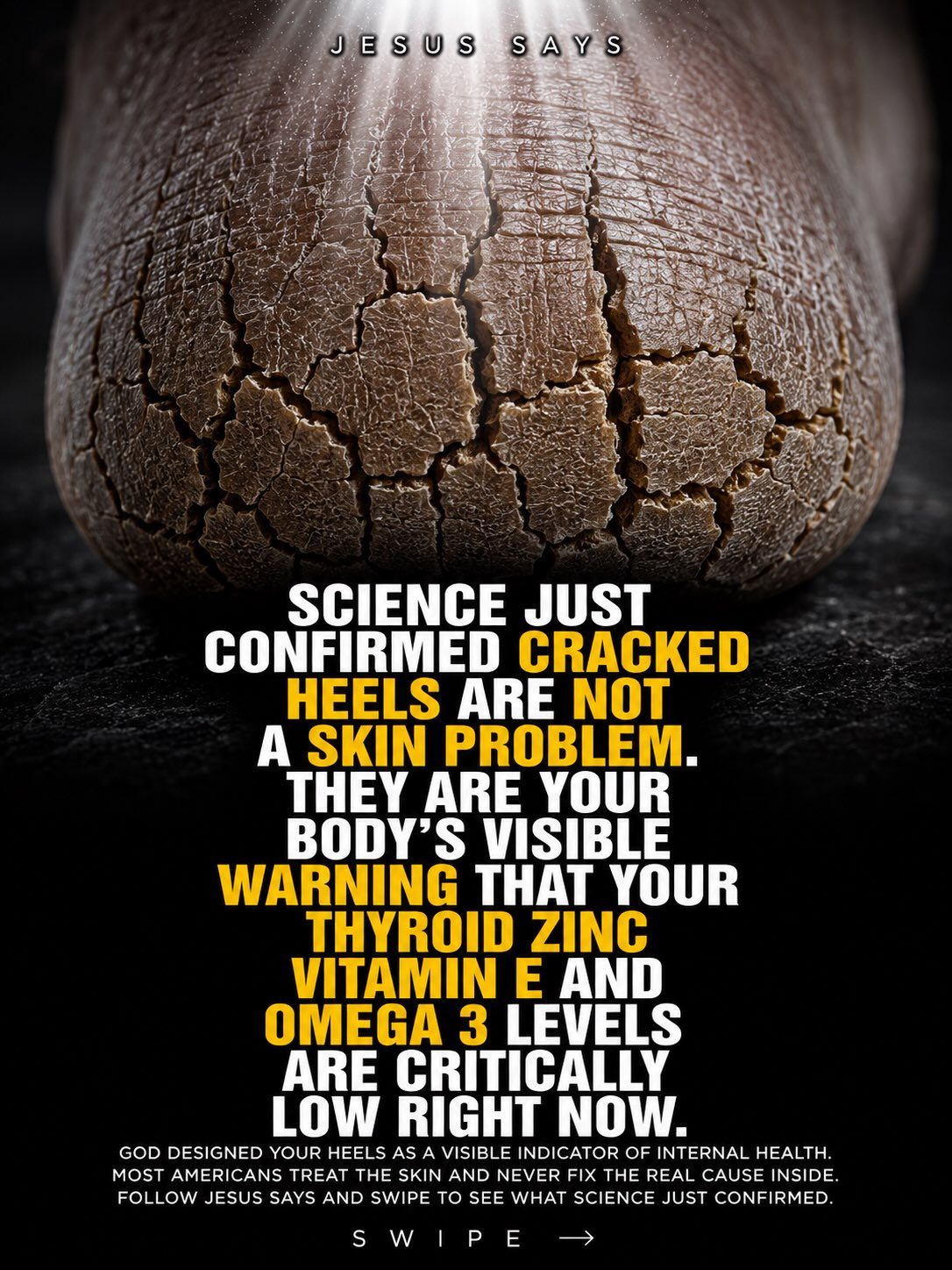
Cracked Heels: A Sign of Internal Inefficiencies
Cracked heels are an often-overlooked foot issue that can cause discomfort and embarrassment. They may not just be a skin problem, but a sign of possible internal deficiencies. To understand and address this issue, it's important to delve into the possible causes and both internal and external remedies.
Why This Matters
Cracked heels are more than just a cosmetic concern. They can be a visible sign that your body is lacking essential nutrients. Ignoring this issue can lead to further problems, including pain, infection, and difficulty walking. Addressing cracked heels involves understanding the underlying causes and taking steps to fix them from within and without.
Understanding the Causes
Cracked heels can be attributed to several factors, but key nutrients play a crucial role in maintaining healthy skin on the feet. Here are the primary causes:
- Thyroid Imbalance: Thyroid hormones are essential for proper skin health. When thyroid levels are off, it can lead to dry, cracked skin, particularly on the feet. Maintaining a balanced thyroid function is critical for overall skin health.
- Zinc Deficiency: Zinc is essential for skin cell repair and maintaining moisture. A deficiency in zinc can lead to cracked heels. Pumpkin seeds are a rich source of zinc and can help support skin cell repair.
- Vitamin E Deficiency: Vitamin E is a powerful antioxidant that helps restore skin moisture. A lack of vitamin E can contribute to dry, cracked skin. Almonds and sunflower seeds are excellent sources of vitamin E.
- Omega-3 Deficiency: Omega-3 fatty acids are crucial for maintaining the skin's lipid barrier. A deficiency in omega-3s can lead to dry, flaky skin. Wild salmon is an excellent source of omega-3s, as well as Brazil nuts.
Interior Remedies
To address the root causes of cracked heels, it's essential to focus on internal remedies that can support overall skin health.
Nutrient-Rich Foods
- Pumpkin Seeds for Zinc: Zinc is crucial for skin cell repair. Including pumpkin seeds in your diet can help boost zinc levels.
- Almonds and Sunflower Seeds for Vitamin E: Vitamin E helps restore skin moisture. Snack on almonds and sunflower seeds to increase your vitamin E intake.
- Wild Salmon for Omega-3s: Omega-3 fatty acids help maintain the skin's lipid barrier. Incorporate wild salmon into your diet to support your skin.
- Brazil Nuts for Selenium: Selenium supports thyroid function, which is essential for overall skin health. Adding Brazil nuts to your diet can help maintain healthy thyroid levels.
External Remedies
Alongside internal remedies, applying natural moisturizers can help heal cracked heels and restore smooth, supple skin.
Overnight Treatment
-
Coconut Oil, Honey, and Shea Butter: Mix coconut oil, honey, and shea butter to create a potent moisturizing blend. Apply this mixture to your cracked heels every night before bed. The coconut oil and shea butter will moisturize your skin, while the honey has natural antibacterial properties that can help heal cracks.
-
Cover with Cotton Socks: To enhance the moisturizing effect, cover your feet with cotton socks after applying the mixture. This will help trap the moisture and promote healing.
Practical Tips
- Hydrate Properly: Drink plenty of water to keep your skin hydrated. Hydration is crucial for maintaining healthy skin, and it can help prevent cracked heels.
- Exfoliate Regularly: Gently exfoliate your feet to remove dead skin cells and promote smooth, healthy skin. Use a foot scrub or a pumice stone to exfoliate your heels.
- Avoid Harsh Soaps: Harsh soaps can strip your skin of its natural oils and lead to dryness. Opt for gentle, moisturizing soaps and cleansers instead.
Important Takeaways
Cracked heels are not just a skin issue; they can signify internal nutrient deficiencies. By addressing the root causes and incorporating both internal and external remedies, you can effectively treat and prevent cracked heels. Focusing on a balanced diet rich in essential nutrients and using natural moisturizers can support overall skin health and keep your feet looking and feeling their best.
Conclusion
Cracked heels can be a frustrating and uncomfortable issue, but understanding the underlying causes and taking steps to address them can make a significant difference. By focusing on both internal and external remedies, you can ensure that your skin stays healthy and hydrated. For more detailed information and strategies, you can explore resources like "God’s Pharmacy," a book that delves into the natural remedies and holistic approaches to various health issues, including cracked heels.
Watch the Reel
Questions readers ask
What are the primary internal causes of cracked heels?
Cracked heels can be a sign of several internal issues, including deficiencies in vitamins and minerals. Zinc, omega-3 fatty acids, and vitamin E are among the nutrients that, when lacking, can contribute to dry, cracked skin. Additionally, conditions that affect the body’s ability to absorb nutrients, such as diabetes or thyroid disorders, can exacerbate this condition.
How can zinc help in treating cracked heels?
Zinc plays a crucial role in maintaining skin health, which is why a deficiency in zinc can lead to cracked heels. Zinc supports the body's natural healing processes and helps to repair damaged skin. Including zinc-rich foods like pumpkin seeds, cashews, and oysters in your diet or using topical zinc treatments can help alleviate and prevent cracked heels.
What are some quick remedies to fix cracked heels fast?
To quickly address cracked heels, start by soaking your feet in warm water for 20 minutes to soften the skin. After drying, gently exfoliate the affected area with a pumice stone or foot file. Apply a thick moisturizer or petroleum jelly, then wear cotton socks overnight to lock in moisture. Repeat this process daily for best results.
Which nutrients are essential for preventing cracked heels?
Nutrients such as omega-3 fatty acids, zinc, and vitamin E are vital for maintaining skin health and preventing cracked heels. Omega-3 fatty acids help to retain moisture in the skin, while zinc and vitamin E support skin repair and regeneration. Incorporating foods rich in these nutrients, such as fatty fish, nuts, and leafy greens, can help keep your heels healthy and crack-free.
What are the best seeds for supporting skin health and healing?
Seeds like flaxseeds, chia seeds, and pumpkin seeds are excellent sources of omega-3 fatty acids, zinc, and other essential nutrients that support skin health. These seeds can be easily incorporated into your diet through smoothies, salads, or as a topping for yogurt. Regular consumption can help improve skin hydration, elasticity, and overall health, reducing the likelihood of cracked heels.
Can cracked heels be a visible warning of other health issues?
Yes, cracked heels can serve as a visible warning of underlying health issues. They may indicate nutrient deficiencies, poor circulation, or other systemic conditions like diabetes. If you notice persistent or severe heel cracking, it's important to consult a healthcare provider to rule out any potential health concerns and address the root cause.
Recent articles
Fresh deep dives from the latest Reels we unpacked.




Comments
Be the first to comment.