COVID-19 Awareness Signs in Healthcare Settings
COVID-19 awareness signs play a crucial role in healthcare settings, reminding everyone about safety measures and public health guidelines.
Why This Matters
Ensuring public health and safety, especially in healthcare environments, is vital. These signs serve as constant reminders about best practices, which can reduce the risk of disease transmission and help maintain a safe environment.
Main Discussion
The Importance of Clear Messaging
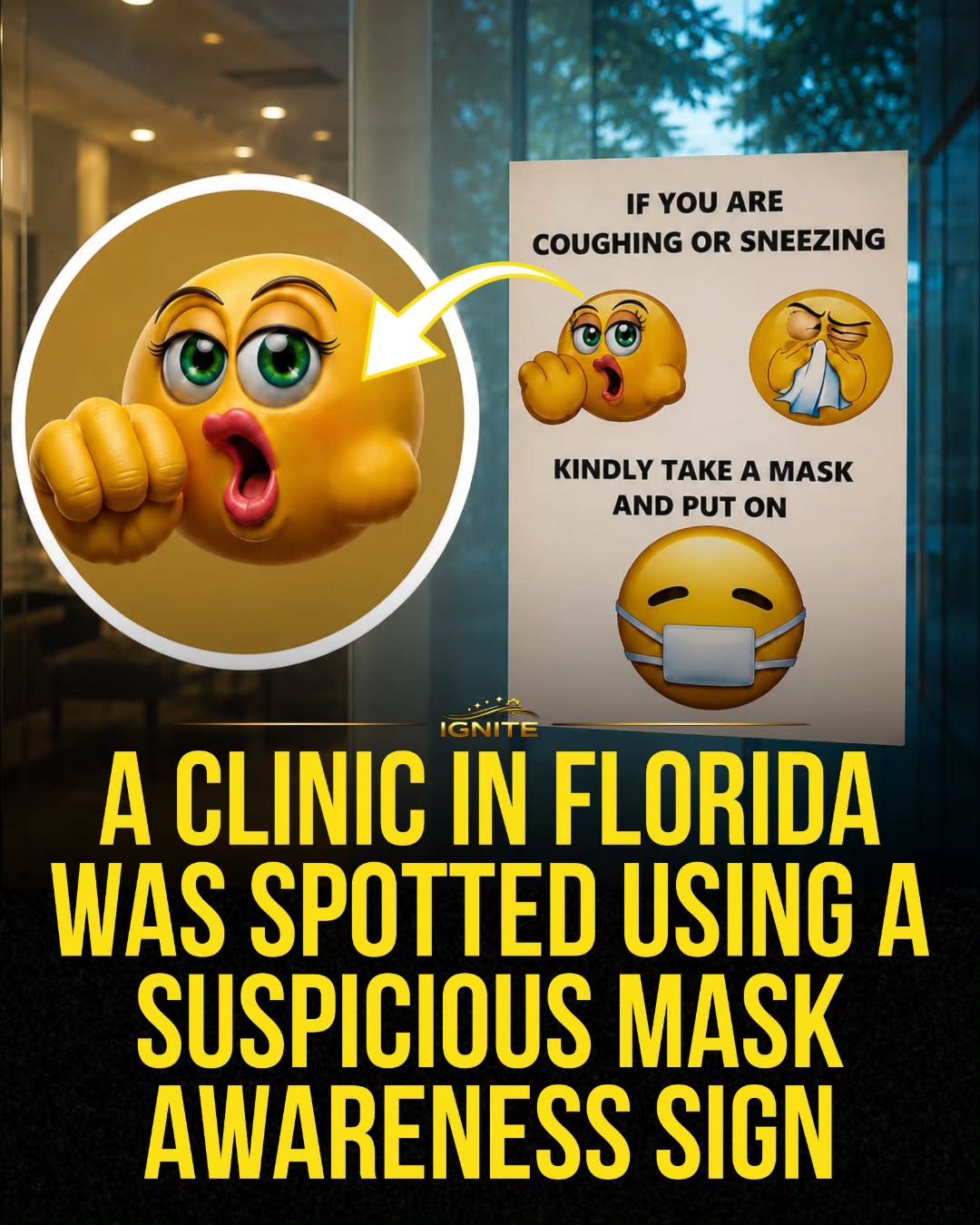
Clear and concise messaging on COVID-19 awareness signs is essential. The sign features emojis to depict coughing, sneezing, and wearing a mask, making the message easy to understand for people of all ages and language backgrounds. Emojis are universally recognized and can convey complex messages quickly, making them highly effective in public health communications.
Universal Precautions
The sign encourages everyone to take a mask if they are coughing or sneezing, highlighting the importance of universal precautions. These precautions are designed to protect both the individual and others from potential infections. By reminding people to wear a mask, the sign helps to prevent the spread of respiratory droplets, which can carry viruses and bacteria.
Visual Cues and Emojis
Using emojis to illustrate key points is a strategic choice. Emojis make the message more engaging and memorable. For example, the sign uses visual cues to show coughing (😷), sneezing (🤧), and wearing a mask (😷), making the instructions clear and easy to follow. Visual aids are particularly helpful in situations where language barriers might exist.
Practical Tips for Creating Effective Awareness Signs
Choose the Right Visuals
When creating awareness signs, it's important to choose visuals that are easily recognizable and universally understood. Emojis are a great choice, but other universally recognized symbols, like the international mask symbol, can also be effective.
Keep It Simple and Direct
The message should be clear and to the point. Avoid using complex sentences or jargon. The sign in the Florida clinic reads "IF YOU ARE | COUGHING OR SNEEZING | KINDLY TAKE A MASK | AND PUT ON," which is straightforward and easy to understand.
Use Multiple Languages if Necessary
In areas with diverse populations, it might be beneficial to create signs in multiple languages. This ensures that everyone, regardless of their language skills, can understand and follow the instructions.
Place Signs Strategically
Strategic placement of signs is crucial. They should be placed in high-traffic areas, near entrances, exits, and other key points where people are likely to see them. The sign in the Florida clinic is placed in a clinic, where people are more likely to be aware of health guidelines.
Important Takeaways
Effective COVID-19 awareness signs use a combination of visuals and text to convey important health messages. Emojis, clear instructions, and strategic placement all contribute to the effectiveness of these signs. By keeping messages simple and straightforward, healthcare settings can ensure that everyone is aware of the necessary precautions.
Conclusion
COVID-19 awareness signs are an essential tool in promoting public health and safety, especially in healthcare settings. By using emojis and clear messaging, these signs can convey important information effectively. The brand IGNITE's sign is a great example of how to create a sign that is both informative and visually appealing.
Watch the Reel
Questions readers ask
Why are COVID-19 awareness signs important in healthcare settings?
COVID-19 awareness signs in healthcare settings are important because they serve as constant reminders for both staff and visitors to follow safety protocols, such as wearing a mask and proper coughing and sneezing etiquette. This helps to reduce the risk of disease transmission and maintain a safe environment for everyone. Additionally, signs with clear visual cues can help overcome language barriers, ensuring the message is understood by everyone.
What are the key elements of effective COVID-19 safety reminders in clinics?
Effective COVID-19 safety reminders in clinics should feature clear, concise messaging, and use universally recognized visual cues, such as emojis or icons, to depict key actions like wearing a mask, covering the mouth when coughing or sneezing, and maintaining social distancing. They should be placed in highly visible locations throughout the clinic to serve as constant reminders.
How do COVID-19 signs help maintain a safe environment?
COVID-19 signs help maintain a safe environment by reminding people to adhere to safety protocols, such as wearing a mask and proper coughing and sneezing etiquette. They act as a visual prompt for everyone in the facility to follow these guidelines, reducing the likelihood of disease transmission. This is particularly important in healthcare settings where vulnerable individuals may be present.
What are the benefits of using emojis or icons on COVID-19 signs?
Using emojis or icons on COVID-19 signs can make the message more accessible and comprehensible for people of all ages, language backgrounds and literacy levels. Visual cues like these can quickly convey essential information, such as the importance of wearing a mask or covering the mouth when coughing or sneezing, without the need for extensive text explanations.
What types of COVID-19 signs should be posted in clinics?
Clinics should consider posting signs that cover a range of topics, including the importance of wearing a mask, proper coughing and sneezing etiquette, and maintaining social distancing. Additionally, signs that direct individuals to handwashing stations, or provide information on where to dispose of used masks and gloves can also be beneficial. The goal is to provide comprehensive reminders about all relevant safety protocols.
What locations within a healthcare facility should display COVID-19 signs?
COVID-19 signs should be placed in highly visible locations throughout the healthcare facility, such as entrances, waiting areas, hallways, and near high-touch surfaces. Placing signs at eye level and in areas where people naturally pause, such as near elevators or outside restrooms, can increase their visibility and effectiveness. Additionally, signs should be placed in multiple languages, if possible, to accommodate diverse populations.
Why is it important that COVID-19 signs be in multiple languages?
It is important that COVID-19 signs be in multiple languages to ensure that the safety information is accessible to all individuals, regardless of their primary language. In diverse communities, providing information in multiple languages can help to bridge communication gaps and ensure that everyone understands the importance of following the safety protocols outlined on the signs.
Recent articles
Fresh deep dives from the latest Reels we unpacked.




Comments
Be the first to comment.